
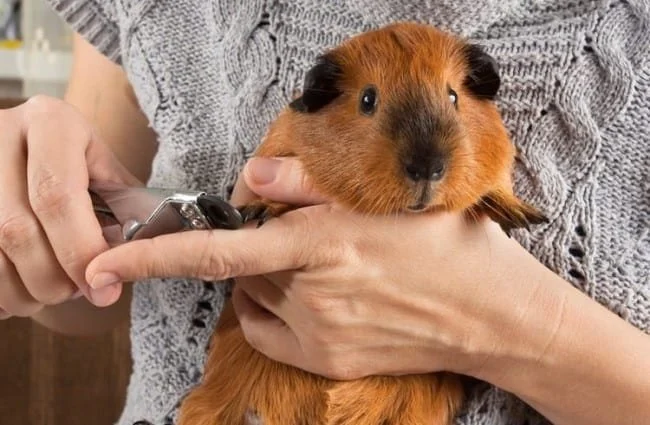
- 1. Introduction: Guinea Pig Health in the UK
- 2. Common Illnesses in Guinea Pigs
- 3. Preventative Care for Guinea Pigs
- 4. Treating Guinea Pig Illnesses
- 5. When to See a Vet for Your Guinea Pig
1. Introduction: Guinea Pig Health in the UK
Guinea pigs are popular pets known for their gentle nature and unique personalities. As with all pets, keeping them healthy is a top priority. In the UK, guinea pigs are subject to various health risks, especially if they are not properly cared for. Understanding common guinea pig illnesses and knowing how to prevent and treat them is essential for ensuring your pet’s well-being. In this article, we’ll explore the most common illnesses affecting guinea pigs in the UK and provide you with tips on keeping them healthy.
Animaquaria pet centre
GrimethorpeSouth YorkshireEngland
39 King's St, Grimethorpe, Barnsley S72 7DX, UK
2. Common Illnesses in Guinea Pigs
Guinea pigs are susceptible to several illnesses, some of which are more common in certain environments or with specific breeds. Here are a few common health issues to watch for:
- Respiratory Infections: Guinea pigs can develop respiratory infections due to environmental factors such as cold temperatures or poor ventilation. Symptoms include sneezing, nasal discharge, and laboured breathing.
- Dental Problems: Guinea pigs' teeth grow continuously, and if they don't wear down naturally, they can cause serious issues. Overgrown teeth can lead to difficulty eating, drooling, and weight loss.
- Scurvy: This is a vitamin C deficiency that guinea pigs are particularly prone to. Symptoms include lethargy, swollen joints, and bleeding gums. It’s essential to provide guinea pigs with a diet rich in vitamin C.
- Bladder Stones: Guinea pigs are prone to developing bladder stones, which can cause urinary issues. If your guinea pig is having trouble urinating or seems to be in pain, this could be the cause.

Westway Veterinary Group, Salters
Kenton Park Shopping Centre, Gosforth, Newcastle upon Tyne NE3 4RU, UK
3. Preventative Care for Guinea Pigs
Preventative care is crucial to keeping your guinea pig healthy and reducing the likelihood of illnesses. Here are some key steps for maintaining good health:
- Proper Diet: A healthy diet is essential for preventing many guinea pig illnesses. Ensure your pet has access to fresh hay, high-quality guinea pig pellets, and a variety of fresh vegetables rich in vitamin C.
- Regular Exercise: Guinea pigs need plenty of space to move around and exercise. A large cage with room to run, along with daily playtime outside the cage, helps keep them physically fit and mentally stimulated.
- Clean Environment: Keep your guinea pig's living area clean and dry. Regularly change bedding and clean their cage to prevent the build-up of bacteria and reduce the risk of infections.
4. Treating Guinea Pig Illnesses
If your guinea pig shows signs of illness, prompt action is essential. Here are some common treatments for guinea pig illnesses:
- Respiratory Infections: Treatment often involves antibiotics prescribed by a vet. Ensure your guinea pig stays warm and is housed in a dry, well-ventilated area during recovery.
- Dental Problems: If your guinea pig’s teeth are overgrown, they may need to be trimmed by a vet. Regularly check their teeth for signs of overgrowth.
- Scurvy: If your guinea pig shows signs of scurvy, a vet may recommend vitamin C injections or oral supplements. Make sure to provide fresh vegetables, particularly those high in vitamin C, like bell peppers and kale.
- Bladder Stones: If your guinea pig is diagnosed with bladder stones, surgery may be required to remove them. Ensure they have a proper diet and plenty of water to prevent future issues.
5. When to See a Vet for Your Guinea Pig
It’s important to seek professional veterinary care if your guinea pig shows any signs of illness, especially if the condition doesn’t improve with at-home care. Common signs that indicate your guinea pig needs to see a vet include:
- Loss of appetite or weight loss
- Difficulty breathing or coughing
- Swollen or bleeding gums
- Changes in behavior, such as lethargy or aggression
- Frequent urination or signs of discomfort while urinating
Taking care of your guinea pig’s health is essential to their happiness and longevity. By staying informed about common illnesses and providing proper care, you can ensure that your guinea pig remains healthy and active. If you’re ever in doubt, don’t hesitate to reach out to a qualified vet.
For more information on guinea pig care and products, visit RegPets for a wide range of health care options and pet supplies.



 Bella & Berties5.0 (1 reviews)
 Penarth Pet Shop4.0 (31 reviews)
 Dove Central Garden Fantail Doves5.0 (2 reviews)
 That Doggy In The Window0.0 (0 reviews)
 Doberfields5.0 (16 reviews)
 Purple Pup for dogs and their humans (Yorkshire's first canine enrichment shop)5.0 (18 reviews)
 Essential Tips for Caring for Senior Pets: A Complete Guide for Pet Owners
 How to Manage Your Pet’s Weight and Prevent Obesity in the UK
 How to Recognize and Handle Allergies in Dogs and Cats
 How to Handle Emergency Situations with Your Pet: A Complete Guide
 How to Choose the Right Pet Food for Your Dog or Cat in the UK
 Top 10 Preventive Care Every Puppies Owner in the UK Should Know