
- why-hydration-matters-for-pet-health
- recognising-the-signs-of-dehydration-in-pets
- making-water-more-accessible-and-appealing
- using-hydrating-foods-to-support-daily-intake
- how-climate-and-lifestyle-affect-your-pets-water-needs
- smart-tools-and-products-that-encourage-better-hydration
- when-to-seek-veterinary-help-for-dehydration
1. Why Hydration Matters for Pet Health
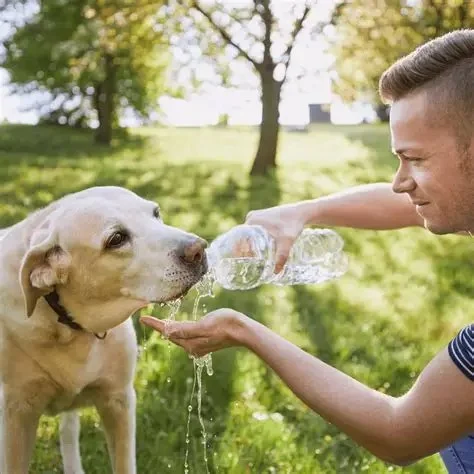
Staying hydrated is essential for every living being—including your dog, cat, or rabbit. Proper hydration supports healthy digestion, temperature regulation, circulation, and organ function. In the UK, where seasonal changes are drastic and heating systems in winter can dry out the environment, it's especially important to monitor your pet's water intake all year round.
Hydration also plays a preventative role. Chronic kidney disease, urinary tract infections, and heatstroke are just a few issues that can stem from consistent underhydration. A proactive approach can extend your pet’s life—and improve its quality.

Pets at Home Doncaster Thorne Rd
Thorne Road Retail Park, Thorne Rd, Doncaster DN2 5DX, UK
2. Recognising the Signs of Dehydration in Pets
Spotting dehydration early can prevent more serious complications. Some signs include dry gums, sunken eyes, lethargy, loss of skin elasticity, and reduced appetite. If your pet becomes unusually sluggish or pants excessively—especially in warmer weather—it could be a red flag.
In a real-life case from Surrey, a springer spaniel named Max suffered heatstroke after a warm spring walk. His owners hadn’t noticed his water bowl had tipped over hours earlier. Thanks to quick vet intervention and IV fluids, Max made a full recovery—but it could have been prevented with better hydration awareness.

3. Making Water More Accessible and Appealing
Some pets are fussy drinkers. Cats, in particular, often avoid stagnant water. Consider placing multiple bowls around your home and changing water frequently to keep it fresh. Try different materials—some pets prefer ceramic or glass over plastic.
Pet water fountains are a great solution, especially for cats. Flowing water appeals to their instincts and keeps water oxygenated. Always ensure the fountain is cleaned regularly to avoid bacterial build-up. For ideas on the best hydration accessories, RegPets has a trusted selection designed for British homes.
4. Using Hydrating Foods to Support Daily Intake
Adding moisture-rich foods to your pet’s diet can naturally boost hydration levels. Wet dog or cat food contains up to 80% water, compared to just 10% in dry kibble. You can also incorporate safe fruits and vegetables like cucumber, watermelon (seedless), or cooked courgette—especially in summer.
Just be sure to check with your vet about what’s safe for your specific pet. A Staffordshire Terrier in Birmingham saw a reduction in recurring urinary tract infections after switching to a vet-approved wet diet and increased vegetable snacks.
5. How Climate and Lifestyle Affect Your Pet’s Water Needs
UK weather can be unpredictable. Whether it’s a heatwave in Kent or icy temperatures in Glasgow, changes in temperature affect hydration needs. Pets that spend a lot of time outdoors, or those that are especially active, will need more water to replace what's lost through panting and exertion.
Always pack water on trips or long walks. Collapsible bowls or water bottles with built-in dispensers are excellent travel companions for hiking and commuting pet parents.
6. Smart Tools and Products That Encourage Better Hydration
Technology has made it easier to support pet health. Hydration trackers, smart fountains, and automated water dispensers offer peace of mind to busy owners. There are even pet food bowls that track water intake alongside meals.
Products available through RegPets come with reviews from fellow UK pet owners, ensuring you're selecting reliable, locally-approved items. When introducing a new product, allow your pet time to get used to it gradually—some animals need a few days before they fully adopt something new in their routine.
7. When to Seek Veterinary Help for Dehydration
While mild dehydration can be corrected at home with increased water and food changes, certain symptoms require urgent veterinary attention. If your pet refuses to drink, vomits frequently, or shows signs of collapse or confusion, don’t delay. Call your vet immediately.
The earlier you act, the better the outcome. Clinics across the UK offer hydration support, including subcutaneous fluids for severe cases. Don’t hesitate to ask your vet about hydration checks during annual exams—especially for senior pets or those with chronic health issues.



 Medivet Horncastle4.0 (235 reviews)
 Firth Veterinary Centre4.0 (172 reviews)
 Ryedale Vets - Helmsley4.0 (137 reviews)
 The Minster Veterinary Practice, Mount Branch4.0 (71 reviews)
 Vets for Pets - Cardiff Ely4.0 (285 reviews)
 Catmose Vets5.0 (26 reviews)
 How to Manage Your Pet’s Weight and Prevent Obesity: A Complete Guide
 Top 10 Health Checkups Every Puppy Owner in the UK Should Know
 Pet Dental Care in the UK: Why Regular Vet Visits Matter for Your Pet’s Health
 How to Handle Emergency Situations with Your Pet: A Comprehensive Guide
 Recognizing Symptoms of Allergies in Dogs and Cats
 How to Handle Emergency Situations with Your Pet in the UK