
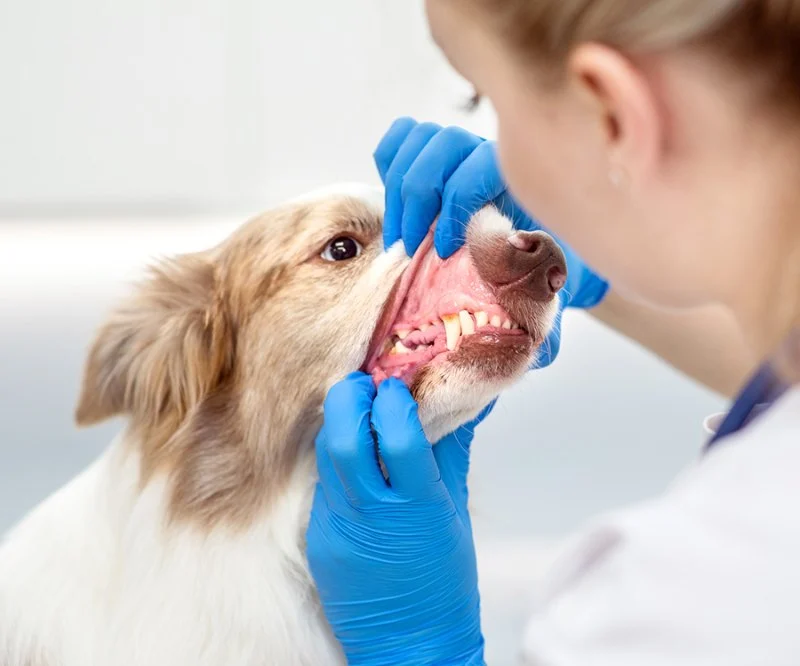
Vet-Approved Dental Care for Senior Pets
- Understanding Dental Health in Senior Pets
- Common Oral Issues in Older Animals
- Vet-Approved Practices for Dental Care
- At-Home Dental Care Routines
- Real Cases from UK Pet Owners
- Trusted Solutions from RegPets
1. Understanding Dental Health in Senior Pets
As pets grow older, their dental health becomes a key factor in their overall well-being. Senior cats and dogs, like humans, are prone to plaque buildup, gum disease, and tooth loss. Neglecting dental hygiene can lead to chronic pain, infections, and even heart or kidney problems. In the UK, veterinarians emphasize early prevention and regular maintenance for senior pets to extend their quality of life.
Pet owners often underestimate the impact of oral issues on daily comfort. A pet that avoids eating hard food or has bad breath may be showing early signs of dental disease. The good news is that with vet-approved dental care for senior pets, most issues can be treated or prevented with consistent care and professional oversight.

2. Common Oral Issues in Older Animals
Senior pets face unique dental challenges that differ from younger animals. Understanding these common issues helps owners spot problems before they escalate.
2.1 Periodontal Disease
This is the most prevalent dental condition among older pets. It begins with plaque buildup, which hardens into tartar and causes inflammation in the gums. If untreated, it can lead to tooth loss and bacterial infections that spread to vital organs.
2.2 Tooth Resorption and Fractures
Cats, in particular, are susceptible to tooth resorption — a painful condition where the tooth’s structure breaks down. Dogs, especially larger breeds, can experience tooth fractures from chewing hard objects.
2.3 Oral Tumours and Inflammation
Some senior pets develop oral masses or chronic inflammation, often linked to immune system decline. Regular veterinary examinations are essential for detecting these problems early, when treatment outcomes are most effective.
3. Vet-Approved Practices for Dental Care
Professional guidance is crucial when it comes to senior pet dental care. Veterinary-approved methods ensure that cleaning, products, and procedures are safe for ageing animals with more fragile systems.
3.1 Professional Dental Cleanings
Vets recommend routine professional cleanings at least once a year for senior pets. This process involves scaling, polishing, and inspecting teeth under anesthesia. For older animals, veterinarians carefully evaluate heart and kidney health before the procedure to ensure safety.
3.2 Dental Examinations and X-rays
Since many oral issues aren’t visible to the naked eye, dental X-rays help vets detect hidden infections, bone loss, or resorption below the gumline. In the UK, many clinics now offer non-invasive dental imaging suited for senior pets.
3.3 Use of Safe Dental Products
Not all dental chews or rinses are suitable for older pets. Vet-approved dental care products, such as enzymatic toothpaste and low-abrasive chews, are specifically formulated to clean effectively without causing irritation or tooth wear.
4. At-Home Dental Care Routines
Maintaining your pet’s dental health at home is just as important as professional cleanings. Consistency and the right techniques make all the difference.
4.1 Regular Brushing
Use a soft-bristled toothbrush and pet-safe toothpaste. Start slowly, introducing the brush with gentle motions, and reward your pet to make the process positive. Aim for brushing three times a week at minimum.
4.2 Diet and Chewing Habits
Incorporate dental-friendly food designed to reduce tartar. Dry kibbles, specially formulated for dental care, can mechanically clean teeth during chewing. Avoid overly hard bones or toys that might crack older teeth.
4.3 Water Additives and Dental Sprays
Vet-approved water additives can help reduce plaque formation and freshen breath. These are especially helpful for senior pets that resist toothbrushing.
4.4 Monitor for Warning Signs
Watch for symptoms such as drooling, pawing at the mouth, or reluctance to eat. Early intervention can prevent further damage and improve comfort quickly.
5. Real Cases from UK Pet Owners
In Manchester, an 11-year-old Labrador named Max had stopped eating his favourite treats. A dental examination revealed advanced gum disease and several loose teeth. After professional cleaning and switching to a vet-approved dental care routine, Max regained his appetite and energy.
Similarly, a cat owner in Bristol noticed her 13-year-old feline, Misty, drooling excessively. A vet diagnosed tooth resorption, which was treated successfully with minor surgery and pain management. Misty’s case highlights the importance of early detection and routine checks for senior pets.
6. Trusted Solutions from RegPets
For UK pet owners seeking reliable products and professional guidance, RegPets offers a selection of vet-approved dental care items tailored for senior pets. From enzymatic toothpaste and gentle dental chews to advanced oral rinses, every product is carefully reviewed for safety and efficacy.
RegPets also collaborates with UK veterinarians to provide educational resources and expert recommendations. Whether your senior pet needs daily maintenance or specialised care, RegPets connects you to trusted solutions that make oral health easy to manage — helping your furry companion stay happy, healthy, and pain-free in their golden years.



 Braemar Veterinary Clinic4.0 (291 reviews)
 Valley Lodge Cattery5.0 (15 reviews)
 Vet 3D5.0 (1 reviews)
 Pet shop4.0 (50 reviews)
 Park Veterinary Group, Penarth4.0 (67 reviews)
 Springfield Veterinary Group - Hackenthorpe4.0 (254 reviews)
 Recognising Symptoms of Allergies in Dogs and Cats
 The Importance of Microchipping Your Pet in the UK | RegPets
 Understanding Flea and Tick Prevention for Pets in the UK: A Complete Guide
 Flea and Tick Prevention for Pets in the UK: Essential Guide
 The Importance of Skin and Coat Care for Senior Pets in the UK
 How to Choose the Right Pet Food for Your Dog or Cat – Expert Tips & Advice