
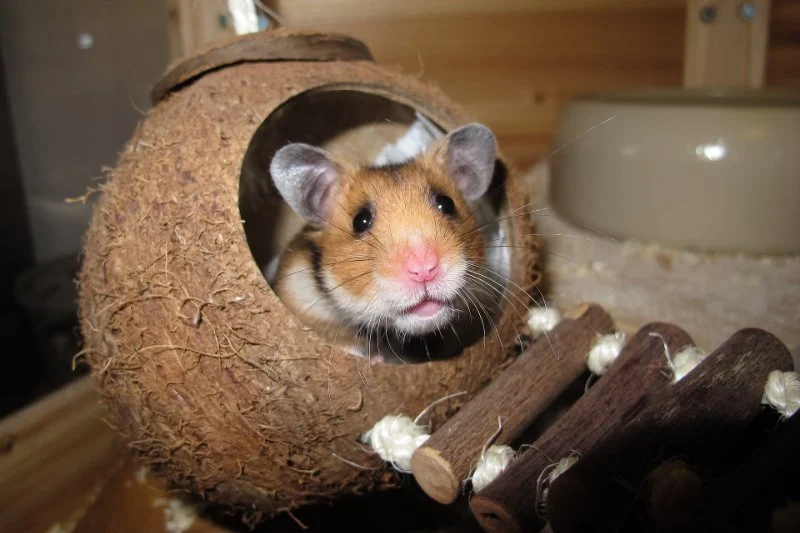
- Understanding Hamster Allergies in the UK
- Common Causes of Hamster Allergies
- Signs Your Hamster May Have an Allergy
- Practical Ways to Prevent Allergies
- How UK Environmental Factors Affect Your Hamster
- RegPets Recommendations
Understanding Hamster Allergies in the UK
Just like humans, hamsters can develop allergies — a reaction to substances that irritate their immune system. In the UK, where indoor heating, varying humidity levels, and different types of bedding materials are common, allergies among small pets can often go unnoticed. Understanding what triggers your hamster’s allergies and taking the right steps to manage them is crucial for maintaining their health and happiness.
Allergies in hamsters can stem from several sources — environmental factors, poor ventilation, unsuitable bedding, or even food. Knowing how to identify and manage these sensitivities is essential for any responsible pet owner. A clean, well-maintained cage and the right materials can make all the difference.

Vets4Pets - Coalville
Inside Pets at Home, Whitewick Retail Park, Whitwick Rd, Coalville LE67 3JN, UK
Common Causes of Hamster Allergies
Several everyday factors can cause allergic reactions in hamsters, and many of these are easily overlooked. Below are some of the most common culprits found in UK households:
- Bedding Materials: Certain types of wood shavings, especially pine and cedar, can release aromatic oils that irritate a hamster’s respiratory system. Opt for paper-based or aspen bedding instead, which are much safer alternatives.
- Cleaning Products: Using harsh chemicals to clean cages can leave behind residues that trigger allergic responses. Always use mild, pet-safe cleaning products or a vinegar-and-water solution.
- Dust: The UK’s colder climate means many hamsters are kept indoors, increasing exposure to household dust. Regular cleaning and good ventilation are key to keeping allergies at bay.
- Food Sensitivities: Some hamsters may react poorly to certain commercial treats or mixes containing artificial ingredients. Choosing natural, additive-free food is often best for sensitive pets.
Signs Your Hamster May Have an Allergy
Recognising the early signs of allergies can prevent long-term health issues. Hamsters are small animals, and even minor symptoms can quickly escalate if ignored. Here are some common signs that your hamster might be suffering from allergies:
- Excessive Scratching or Hair Loss: Persistent itching or bald patches may indicate skin irritation or allergic dermatitis.
- Runny Nose or Sneezing: Frequent sneezing, nasal discharge, or wheezing can suggest a reaction to dust, bedding, or environmental allergens.
- Red or Swollen Skin: Look for redness, bumps, or inflammation around the nose, ears, or paws.
- Lethargy or Reduced Appetite: If your hamster seems unusually tired or disinterested in food, it might be a sign of discomfort due to allergies.
It’s important to consult a veterinarian if symptoms persist. In one UK case shared online, a Syrian hamster named Daisy was found to be allergic to scented bedding. Once her owner switched to a hypoallergenic paper-based material, her sneezing stopped completely within a week — proving how effective small changes can be.

Practical Ways to Prevent Allergies
Preventing allergies in hamsters requires attention to their daily environment and care routine. Here are some effective steps:
- Choose the Right Bedding: Avoid wood shavings that contain natural oils. Instead, use dust-free, unscented paper bedding, which is gentler on your hamster’s respiratory system.
- Clean Regularly but Safely: Spot-clean the cage daily and perform a full clean weekly using pet-safe products. This prevents allergen build-up without exposing your hamster to harsh chemicals.
- Maintain Good Airflow: Keep the cage in a well-ventilated room, away from direct sunlight or draughts. Proper airflow helps reduce mould and dust accumulation.
- Monitor Diet: Introduce new foods slowly and observe your hamster’s reactions. Stick to high-quality UK pet food brands known for their natural ingredients.
How UK Environmental Factors Affect Your Hamster
The UK climate can influence hamster health more than many owners realise. The combination of damp weather and central heating during colder months can lead to fluctuating humidity levels, which may trigger respiratory sensitivities. Similarly, pollen levels in spring and summer can also cause allergic reactions in some hamsters, particularly if windows are left open frequently.
Regularly monitoring your hamster’s breathing and skin condition throughout the year can help catch potential problems early. Using a small hygrometer to check the humidity in your hamster’s room can also be beneficial. Keeping the environment stable is key to reducing allergic risks.
RegPets Recommendations
At RegPets, we care deeply about your pet’s well-being. Our experts recommend hypoallergenic bedding, dust-free cleaning products, and natural treats that support a hamster’s sensitive system. We also provide detailed guides on hamster care tailored specifically for UK pet owners, helping you make informed decisions about your furry friend’s health.
Visit RegPets to discover trusted products, vet-approved care advice, and personalised recommendations for your hamster’s allergy management. With the right care, your hamster can live a comfortable, happy, and allergy-free life.






 Blue cross cattery4.0 (4 reviews)
 Hunters Bar Veterinary Clinic - Sheffield3.0 (41 reviews)
 S&C Aquatic World - Tropical/Marine5.0 (1 reviews)
 Abbey Veterinary Centre4.0 (513 reviews)
 Pets at Home Mansfield4.0 (953 reviews)
 The Blue Pets5.0 (2 reviews)
 The Importance of Travel Safety for Cats – UK Edition
 The Ultimate Guide to Vaccinations for Dogs and Cats in the UK
 The Importance of Exercise and Fitness for Senior Pets – UK Edition
 How to Handle Emergency Situations with Your Pet: A Complete Guide
 UK Pet Owner’s Guide to Spaying and Neutering for Fish – Expert Advice
 The Importance of Exercise and Fitness for Kittens – UK Edition