
- 1- Understanding Allergies in Exotic Pets
- 2- Common Allergens for Exotic Pets
- 3- Signs of Allergies in Exotic Pets
- 4- Allergy Care Tips for Exotic Pets
- 5- When to Seek Veterinary Help
1- Understanding Allergies in Exotic Pets
As exotic pets become increasingly popular, more pet owners in the UK are facing the challenge of managing allergies in their animals. Exotic pets, such as reptiles, birds, and small mammals, have unique immune systems that can react to environmental allergens, much like humans. Understanding the causes and symptoms of allergies in these pets is the first step towards providing them with a healthier, happier life.

Aristocat Hotel Cattery
Little WeightonEast Riding of YorkshireEngland
3 New Village Rd, Little Weighton, Cottingham HU20 3XQ, UK
1.1 What Are Allergies in Exotic Pets?
Allergies occur when an animal's immune system overreacts to substances that are typically harmless, such as certain foods, dust, or even pollen. For exotic pets, allergies may be triggered by a variety of factors, including the type of bedding used, food ingredients, and exposure to chemicals in their environment.

1.2 Why Do Exotic Pets Develop Allergies?
Exotic pets often have more sensitive respiratory systems, skin, and digestive tracts than more common pets like cats and dogs. This heightened sensitivity makes them more prone to allergies, which can manifest in several ways, from skin rashes to breathing difficulties. Additionally, their environments—such as cages, terrariums, and aviaries—can introduce allergens that are not immediately obvious to owners.
2- Common Allergens for Exotic Pets
Several allergens can affect the health of exotic pets. Knowing what these allergens are can help prevent potential allergic reactions. Some common allergens include:
2.1 Dust and Dander
Dust and dander from animals, especially in small cages or enclosures, can be a major trigger. Birds and rodents are particularly susceptible to respiratory issues caused by dust and dander accumulation in their environments.
2.2 Bedding Materials
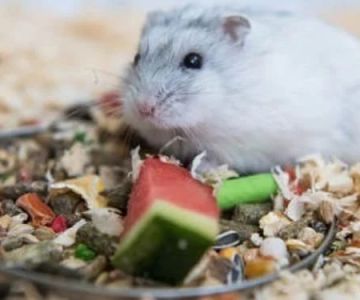
For many exotic pets, the bedding material used in their enclosures can be a hidden allergen. Cedar and pine shavings, often used in hamster or guinea pig cages, contain oils that can irritate the respiratory system. Opt for hypoallergenic bedding options such as paper-based or aspen bedding.
2.3 Pollen and Mold
Outdoor allergens such as pollen and mold can also affect your exotic pet's health. If your pet is housed in an outdoor enclosure, ensure that it's regularly cleaned and maintained to prevent mold buildup. Additionally, keep the pet's environment away from areas with high pollen levels during certain seasons.
2.4 Food Ingredients
Many exotic pets have specific dietary requirements, and certain ingredients may cause allergic reactions. Common allergens in exotic pet food include soy, corn, and artificial preservatives. Always consult with a veterinarian before introducing new food or treats into their diet.
3- Signs of Allergies in Exotic Pets
Recognizing the signs of allergies in exotic pets can be challenging, especially since their symptoms may differ from those of more traditional pets. However, several indicators can help you spot allergies early:
3.1 Skin Irritations
Skin rashes, itching, or redness are common signs that your pet is suffering from an allergy. Some exotic pets may also develop bald patches or experience excessive grooming due to discomfort.
3.2 Respiratory Issues
Wheezing, coughing, or labored breathing are all indicators of an allergic reaction in pets with respiratory systems sensitive to dust, mold, or dander. If you notice these symptoms, it’s essential to address the issue promptly to avoid serious respiratory problems.
3.3 Digestive Disturbances
Exotic pets may show signs of allergies through digestive disturbances, such as diarrhea, vomiting, or bloating. These symptoms are more common when a pet reacts to certain food ingredients.
3.4 Behavioral Changes
Allergic reactions can cause discomfort that may lead to behavioral changes. Your pet may become lethargic, withdrawn, or overly agitated. Watch for changes in their usual activity level, appetite, or grooming habits.
4- Allergy Care Tips for Exotic Pets
Managing allergies in exotic pets requires a proactive approach. Here are some effective allergy care tips for pet owners in the UK:
4.1 Maintain a Clean Environment
Regular cleaning of your pet's enclosure is essential for preventing allergens from accumulating. Dust, mold, and dander can easily build up, so ensure that their living space is wiped down regularly with pet-safe cleaning products. For outdoor enclosures, check for mold and clean surfaces that might trap allergens.
4.2 Choose Hypoallergenic Bedding
Switching to hypoallergenic bedding can significantly reduce the chance of your pet developing allergies. Materials such as paper-based bedding or aspen shavings are great alternatives to cedar and pine shavings, which contain irritating oils.
4.3 Monitor Food Ingredients
Carefully monitor the ingredients in your exotic pet's food. If you suspect a food allergy, consult with a veterinarian to adjust their diet. Look for food options that are designed for sensitive stomachs and avoid common allergens like soy, corn, and artificial additives.
4.4 Limit Exposure to Pollen and Mold
If your pet is sensitive to pollen, try to keep them indoors during high pollen seasons. For pets housed outdoors, ensure their enclosures are sealed off from wind and damp areas that could foster mold growth. Regular cleaning and checking their environment will help keep them safe.
5- When to Seek Veterinary Help
If you notice persistent symptoms or suspect your exotic pet is suffering from allergies, it’s important to seek professional help. A veterinarian can help you identify allergens, prescribe treatments, and recommend proper allergy care to keep your pet comfortable.
5.1 Persistent Symptoms
If your pet’s symptoms don’t improve after you've made changes to their environment, diet, or cleaning routine, it's time to consult with a veterinarian. Persistent skin irritations, respiratory issues, or digestive disturbances could be signs of a more severe allergic reaction.
5.2 Severe Respiratory Symptoms
If your pet is showing signs of severe breathing difficulties, such as wheezing or labored breathing, immediate veterinary attention is necessary. These symptoms can escalate quickly and should not be ignored.




 Gone Barking5.0 (7 reviews)
 Peejay Pet Superstore Ltd4.0 (1173 reviews)
 Sheerbliss Cattery5.0 (19 reviews)
 Calcaria Veterinary Practice4.0 (90 reviews)
 Crookedstone Cattery0.0 (0 reviews)
 Apisto Aquatics5.0 (25 reviews)
 Top 10 Behaviour Training Every Reptile Owner in the UK Should Know
 Common Vaccination Myths Debunked by UK Vets
 How to Handle Emergency Situations with Your Pet | Pet Safety Tips
 Complete Guide to Nutrition Tips for Hamsters: What Your Pet Needs to Stay Healthy
 Dealing with Anxiety and Stress in Pets: Vet Advice for UK Pet Owners
 Top 10 Behaviour Training Every Guinea Pig Owner in the UK Should Know