
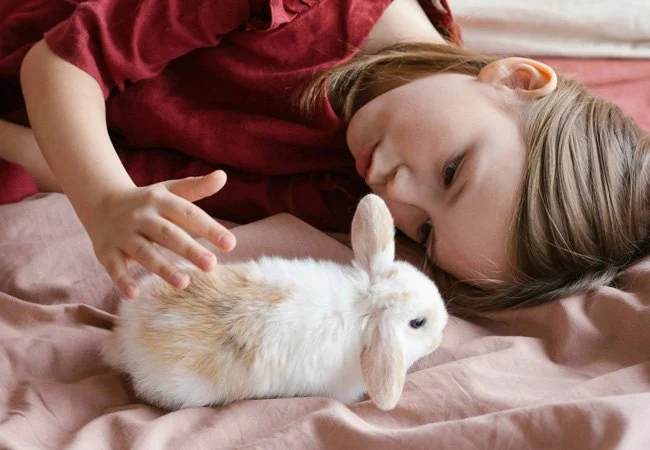
Top 10 Seasonal Health Tips Every Rabbit Owner in the UK Should Know
As a rabbit owner in the UK, it’s essential to ensure your furry friend stays healthy throughout the year. Rabbits are highly sensitive to temperature changes and environmental shifts, which can affect their health. With each season, different health concerns can arise, so it's crucial to stay informed. In this article, we’ll provide the top 10 seasonal health tips to help you care for your rabbit and ensure they stay happy and healthy all year round.
- Spring Health Tips for Rabbits
- Summer Health Tips for Rabbits
- Autumn Health Tips for Rabbits
- Winter Health Tips for Rabbits
- General Health Tips for Rabbits
- Rabbit Dietary Needs in Different Seasons
1. Spring Health Tips for Rabbits
Spring is a time of renewal, but it can also bring some health challenges for your rabbit. As temperatures rise, allergies and parasites like fleas or mites can be a concern. Here are some tips to keep your rabbit healthy during spring:

1.1 Flea and Mite Prevention
As the weather warms, rabbits are more likely to encounter fleas and mites. These parasites can lead to skin irritation and hair loss. Regular grooming and checking for fleas or mites, especially after outdoor time, can help prevent infestations.

1.2 Ensure a Clean Living Environment
Spring cleaning isn’t just for humans! Make sure your rabbit's living space is clean and dry. This will help prevent any bacterial or fungal infections that are common in warmer weather. Regularly disinfect your rabbit’s hutch and bedding to keep it fresh and hygienic.
2. Summer Health Tips for Rabbits
Summer can be a challenging time for rabbits, as they are sensitive to heat. High temperatures can lead to heatstroke, dehydration, and other serious health issues. Here's how to keep your rabbit cool and healthy during the hot summer months:
2.1 Keep Your Rabbit Cool
Rabbits can easily overheat in hot weather. Ensure that their living area is shaded and cool. If your rabbit stays indoors, keep them away from direct sunlight, and consider using a fan to circulate air. A cool tile or ceramic slab can also be placed in their hutch for them to lie on.
2.2 Provide Fresh Water
Always ensure that your rabbit has access to fresh, cool water. Dehydration can quickly become a serious issue in the summer heat. You may want to provide a water bottle or a bowl that is changed regularly to keep it cool and clean.
2.3 Avoid Overfeeding Fresh Vegetables
While fresh vegetables are essential to a rabbit’s diet, too many watery vegetables like lettuce or cucumbers can lead to digestive upset in the summer. Moderation is key to avoid issues like diarrhea or bloating.
3. Autumn Health Tips for Rabbits
Autumn brings cooler weather and beautiful colours, but it also presents unique health challenges for rabbits, such as the onset of colds or respiratory issues. Follow these tips to protect your rabbit during the fall months:
3.1 Monitor for Respiratory Issues
Rabbits can develop respiratory infections during the cooler autumn months, especially if they are exposed to drafts or wet weather. Watch for signs like nasal discharge, wheezing, or labored breathing. Keep their living space warm and dry, and avoid placing their hutch in a drafty area.
3.2 Prepare for Wet Weather
Autumn in the UK can be rainy, so ensure your rabbit’s hutch is waterproof and properly insulated. A damp living space can lead to fungal infections or chill your rabbit, which can weaken their immune system. Provide a dry, cosy area for your rabbit to stay warm.
4. Winter Health Tips for Rabbits
Winter can be harsh, especially for outdoor rabbits. Cold temperatures pose significant risks, including frostbite and hypothermia. Here’s how to keep your rabbit warm and safe during the winter months:
4.1 Insulate Your Rabbit’s Hutch
If your rabbit lives outside, insulation is essential to protect them from freezing temperatures. Use straw, hay, or blankets to line their hutch and keep them warm. You can also invest in a hutch cover or place the hutch in a sheltered area to protect it from the wind.
4.2 Increase Caloric Intake
In winter, rabbits require more energy to maintain body heat. Increase their food intake slightly, particularly hay, which provides both warmth and essential fiber. A well-balanced diet will also ensure your rabbit’s immune system remains strong through the colder months.
4.3 Check for Frostbite
During extremely cold weather, rabbits can develop frostbite on their ears, feet, and tail. Always check these areas regularly during winter to ensure they are not exposed to freezing temperatures for too long. If frostbite is suspected, seek immediate veterinary care.
5. General Health Tips for Rabbits
In addition to seasonal care, there are some general health practices every rabbit owner should follow throughout the year:
5.1 Regular Vet Check-ups
Make sure your rabbit gets regular check-ups from a qualified vet, especially if they are elderly or have pre-existing conditions. Routine health checks can help catch potential issues early.
5.2 Grooming and Nail Trimming
Regular grooming helps to prevent matting and skin issues. Trimming your rabbit's nails is also essential to avoid overgrowth, which can lead to injury.
5.3 Monitor for Behavioral Changes
If your rabbit suddenly becomes lethargic, stops eating, or behaves differently, it may indicate a health issue. Always monitor their behavior closely and seek veterinary advice if necessary.
6. Rabbit Dietary Needs in Different Seasons
Feeding your rabbit the right diet is essential for their health throughout the year. While fresh hay should always be a staple of their diet, you may need to adjust their intake of vegetables, fruits, and pellets depending on the season:
6.1 Hay as a Staple
Hay should make up the majority of your rabbit’s diet. It provides the necessary fiber to aid digestion and maintain healthy teeth. Make sure hay is fresh and free from mold or dust.
6.2 Seasonal Vegetables
During the colder months, you may want to offer more root vegetables like carrots or parsnips, which are higher in calories. In the summer, leafy greens like lettuce, parsley, and basil can be offered more frequently, but avoid overfeeding watery vegetables.
By following these seasonal health tips, you can ensure your rabbit stays in top shape no matter the time of year. If you’re looking for high-quality rabbit care products or expert advice, visit RegPets to find the best options for your furry friend.





 Cats and Dogs Ltd0.0 (0 reviews)
 Hunts Hill Physio5.0 (1 reviews)
 Gordon Lochrie B.V.M.S M.R.C.V.S3.0 (127 reviews)
 Lake View Veterinary Centre4.0 (157 reviews)
 Ribble Valley Animal Feeds4.0 (69 reviews)
 Carrick Veterinary Group - Barlborough4.0 (58 reviews)
 Recognizing Symptoms of Allergies in Dogs and Cats in the UK
 Expert Vet Advice on Preventive Care for Senior Pets
 Top 10 Behaviour Training Every Guinea Pig Owner in the UK Should Know
 Managing Pet Anxiety and Stress: Expert Vet Advice
 The Importance of Travel Safety for Cats – UK Edition
 Seasonal Health Tips for Keeping Your Kittens Healthy in the UK