
Understanding Flea and Tick Prevention for Pets in the UK
- 1. Overview of Flea and Tick Prevention
- 2. How to Identify Fleas and Ticks in Your Pets
- 3. Effective Flea and Tick Prevention Methods
- 4. Treatment Options for Fleas and Ticks
- 5. When to See the Vet for Flea and Tick Problems
1. Overview of Flea and Tick Prevention
Fleas and ticks are among the most common pests that can affect pets in the UK, causing a range of health issues if left untreated. Both fleas and ticks are external parasites that can lead to severe discomfort, skin problems, and even more serious diseases in pets. Prevention is key to protecting your pet and ensuring they stay healthy throughout the year.
In the UK, pet owners face the challenge of keeping fleas and ticks at bay, especially as these pests can be found in various environments such as parks, gardens, and woodlands. Regular flea and tick prevention is crucial, not only to protect your pet but also to avoid infestations in your home. This guide will help you understand how to prevent and manage flea and tick problems in your pets.

Vets for Pets - Sheffield Drakehouse
Unit 2, Drakehouse Retail Park, Sheffield S20 7JJ, UK
2. How to Identify Fleas and Ticks in Your Pets
Recognizing the symptoms of flea and tick infestations early can help you address the issue before it becomes a serious problem. Here are some common signs that your pet may have fleas or ticks:
- Flea Symptoms: Excessive scratching, biting, or licking, especially around the neck, tail, and hindquarters. You may also notice small black specks of flea dirt in your pet’s fur.
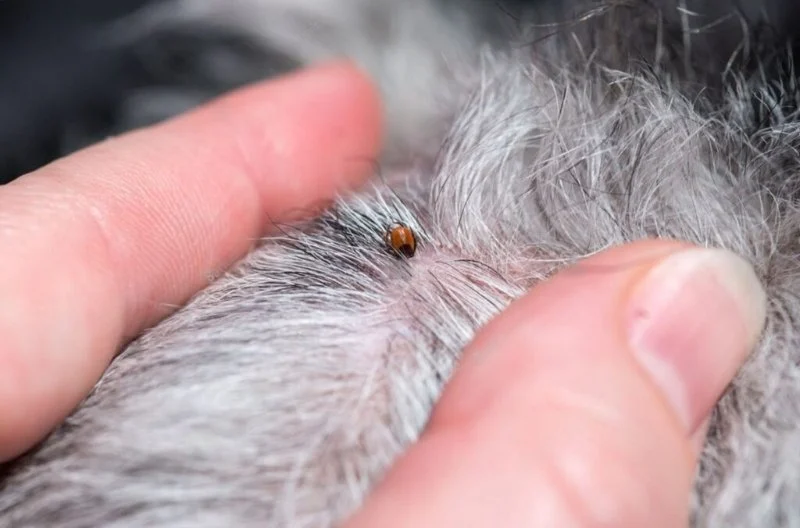
- Tick Symptoms: Ticks are larger than fleas and can be found attached to your pet’s skin, often in areas such as the ears, between toes, or under the legs. Ticks appear as small, dark bumps on your pet's skin.
- Hair Loss: Persistent scratching and biting can lead to hair loss and irritated skin.
- Red or Inflamed Skin: Both flea and tick infestations can cause skin irritation, redness, or even infections.
3. Effective Flea and Tick Prevention Methods
Preventing fleas and ticks is the most effective way to keep your pet healthy and free from discomfort. Several options are available for flea and tick prevention, including:

1. Regular Treatment with Flea and Tick Medication
The most common method for flea and tick prevention in pets is through the use of medications such as topical treatments, oral tablets, or collars. These products are designed to kill or repel fleas and ticks before they can cause harm to your pet. Be sure to follow the instructions on the product and consult with your vet to choose the best option for your pet’s needs.
2. Flea and Tick Shampoos
Flea and tick shampoos are a quick way to treat your pet if they already have fleas or ticks. These shampoos kill parasites on contact and can help provide relief from itching and irritation. However, shampoos may not provide long-term prevention and should be used in conjunction with other methods.
3. Regular Grooming
Regular grooming, including brushing your pet’s coat, is an excellent way to spot fleas and ticks early. It can also help remove any fleas or ticks that may be on your pet before they have a chance to cause serious issues. This method is especially useful for long-haired pets, as ticks can often hide in their fur.
4. Keeping Your Home and Yard Flea-Free
Fleas can live in your home or yard, which makes it essential to maintain a clean environment. Regularly vacuum your floors, wash your pet’s bedding, and treat your home with appropriate flea control products to eliminate fleas and their eggs.
4. Treatment Options for Fleas and Ticks
If your pet already has fleas or ticks, there are several treatment options available to eliminate the problem and prevent future infestations. Here are a few treatment methods:
1. Oral Medications
Oral medications are effective in treating fleas and ticks. These medications work by circulating through your pet’s bloodstream, killing parasites when they bite your pet. Some medications offer long-lasting protection, while others need to be administered monthly.
2. Topical Treatments
Topical treatments are applied to your pet’s skin, typically at the back of the neck. These treatments kill fleas and ticks on contact and can provide up to a month of protection.
3. Flea and Tick Collars
Flea and tick collars provide continuous protection for your pet by releasing insecticides that kill fleas and ticks. These collars can last for several months, making them a convenient and long-lasting solution.
5. When to See the Vet for Flea and Tick Problems
If you notice that your pet is suffering from severe flea or tick infestations, it’s important to seek professional help. Your vet can recommend the best course of treatment and check for any secondary health issues caused by parasites, such as infections or anemia.
Additionally, if your pet is showing signs of a severe allergic reaction to flea or tick bites (e.g., swelling, breathing difficulties, or fever), it’s essential to see your vet immediately.
Remember, consistent flea and tick prevention is the best way to protect your pet from these pests. By following the tips and treatments outlined above, you can keep your pet healthy and happy.





 Bishopton Veterinary Group Pateley Bridge5.0 (114 reviews)
 firstvets - Forest Hall4.0 (130 reviews)
 Paws & Co Veterinary Centre5.0 (2 reviews)
 Pets at Home Grantham4.0 (550 reviews)
 My Dogs Deli0.0 (0 reviews)
 Medivet Netherfield4.0 (133 reviews)
 Pet Dental Care: Why Regular Vet Visits Matter for UK Pet Owners
 Top 10 Signs Your Pet Needs to See a Vet Immediately – RegPets
 How to Spot Signs of Arthritis in Older Pets – UK Pet Owner’s Guide
 How to Improve Fish Behaviour Training at Home – Expert Tips for Success
 Recognising Symptoms of Allergies in Dogs and Cats Across the UK
 Understanding Flea and Tick Prevention for Pets in the UK