
- 1-Introduction
- 2-Common Cat Illnesses
- 3-At-Home Remedies for Cats
- 4-Preventing Future Illnesses in Cats
- 5-When to Visit the Vet
1-Introduction
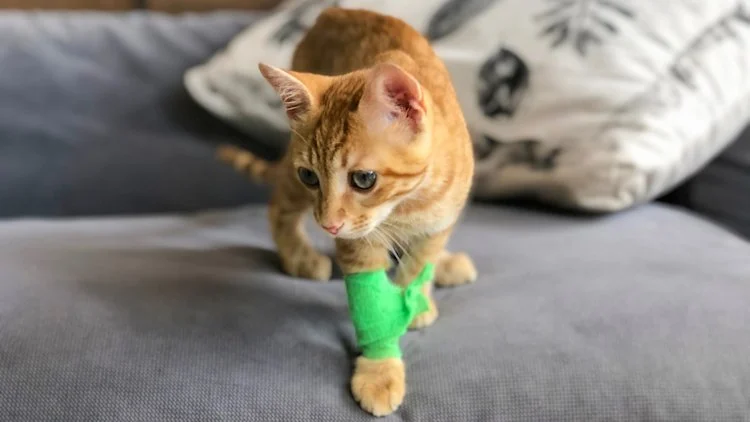
As cat owners, we want nothing more than for our feline companions to be healthy and happy. However, like humans, cats can experience common illnesses that can make them feel under the weather. Fortunately, many of these conditions can be treated at home with the right care and attention. This article will discuss common cat illnesses, how you can improve their health at home, and when it’s time to seek professional help. By following these tips, you can help your cat recover quickly and comfortably.

Maidenhead Aquatics Leeds South
Carr GateWest YorkshireEngland
Bradford Rd, South, Carr Gate, Wakefield WF2 0SY, UK
2-Common Cat Illnesses
Cats are susceptible to a range of illnesses, many of which are common and can be managed with proper care. Here are some of the most frequent health issues faced by cats:
- Upper Respiratory Infections (URI): Just like humans, cats can suffer from colds, which often lead to symptoms like sneezing, watery eyes, and nasal discharge. These are usually caused by viral infections and can be treated at home with supportive care.
- Feline Lower Urinary Tract Disease (FLUTD): This condition affects the bladder and urinary tract, leading to symptoms such as frequent urination, straining, or even blood in the urine. It can be caused by stress, infections, or diet-related issues.
- Gastrointestinal Upset: Cats may experience digestive issues such as vomiting, diarrhea, or constipation. These can be caused by dietary changes, stress, or even food allergies.
- Fleas and Ticks: Fleas are a common parasite that can cause itching, discomfort, and even anemia in severe cases. They also carry diseases that can affect your cat’s health. Regular flea treatment and prevention are essential.
- Arthritis: As cats age, they can develop joint issues such as arthritis. This condition causes pain and stiffness, making movement difficult, but it can be managed with pain relief treatments and home remedies.
3-At-Home Remedies for Cats
For many common illnesses, you can provide relief for your cat at home. Here are some effective remedies and practices:
- Hydration: Keeping your cat hydrated is essential, especially when they are unwell. Make sure they have access to fresh water at all times. If your cat is refusing to drink, try offering ice cubes or flavored water to entice them.
- Rest: Cats need plenty of rest to recover. Make sure they have a quiet, comfortable space away from any stressors or noise, where they can sleep and recuperate.
- Nutritious Diet: Providing a balanced and easily digestible diet is crucial. In cases of gastrointestinal upset, offer bland food like boiled chicken or rice to soothe their stomach.
- Steam and Humidity: For upper respiratory infections, creating a humid environment can help relieve congestion. Running a hot shower in the bathroom and letting the steam fill the room can help your cat breathe easier.
- Flea Control: Use flea treatment products, such as flea collars or topical treatments, to control and prevent infestations. Regularly clean your cat’s bedding and surroundings to keep fleas at bay.
4-Preventing Future Illnesses in Cats
While illnesses are inevitable, prevention is always better than treatment. Here are some steps you can take to minimize your cat’s risk of getting sick in the future:
- Regular Vet Check-ups: Take your cat for routine veterinary visits to catch any potential health problems early. Vaccinations and parasite control are also part of maintaining your cat’s health.
- Healthy Diet: Feed your cat a well-balanced, nutritious diet suited to their age, size, and health needs. Consult with your vet to ensure they are getting the right nutrients.
- Hydration: Ensure your cat always has access to fresh water. Cats are sometimes prone to dehydration, especially if they are eating dry food.
- Exercise and Play: Keeping your cat active can help prevent obesity and keep them physically fit. Provide toys, scratching posts, and interactive playtime to keep them engaged.
- Clean Environment: Regularly clean your cat’s litter box and keep their living area hygienic. A clean environment reduces the chances of infections and parasites.
5-When to Visit the Vet
While many common illnesses can be managed at home, it’s important to recognize when your cat needs professional help. Visit the vet if:
- Your cat’s symptoms persist for more than a few days.
- Your cat shows signs of severe distress, such as excessive vomiting, diarrhea, or refusal to eat or drink.
- Your cat’s condition worsens despite home treatment.
- They develop new symptoms, such as a high fever, lethargy, or difficulty breathing.
Never hesitate to seek veterinary care if you are concerned about your cat’s health. Your vet can provide a diagnosis and recommend the best treatment options.
For more information on how to improve your cat's health and find the best products for their well-being, visit RegPets.




 purr-inn bradford5.0 (10 reviews)
 Pets at Home Gateshead4.0 (1524 reviews)
 Avenue Veterinary Centre4.0 (31 reviews)
 pawtasticcreations5.0 (10 reviews)
 Pets at Home Lincoln4.0 (1131 reviews)
 RH DOG PENS0.0 (0 reviews)
 Improve Fish Mental Health at Home: Tips and Recommendations
 Recognising Symptoms of Allergies in Dogs and Cats: UK Pet Owner Guide
 What to Expect During Your Pet’s First Vet Visit in the UK
 How to Manage Your Pet’s Weight and Prevent Obesity: Expert Tips for Pet Owners
 The Importance of Microchipping Your Pet in the UK: A Lifesaver for Pet Owners
 Top 10 Puppy and Kitten Care Tips Every Kitten Owner in the UK Should Know