
- why-pet-obesity-is-a-growing-concern-in-the-uk
- understanding-the-risks-of-pet-obesity
- how-to-manage-your-pets-weight-effectively
- real-stories-from-british-pet-owners
- support-your-pets-health-journey-with-regpets
1. Why Pet Obesity Is a Growing Concern in the UK
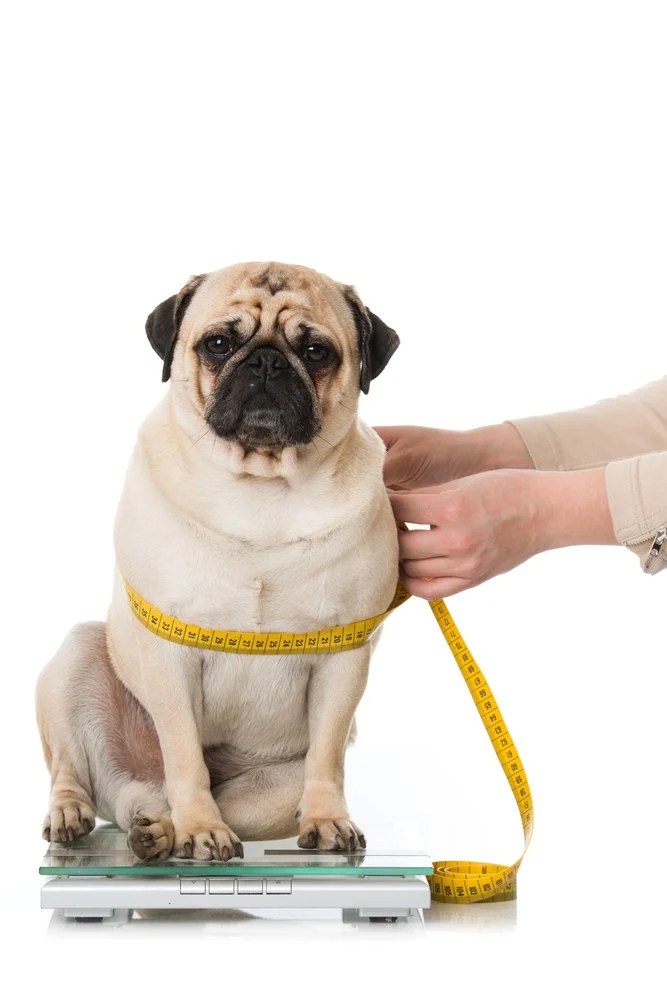
Across the UK, more than half of dogs and nearly 40% of cats are classified as overweight or obese, according to the PDSA. This rising trend is driven by a mix of factors: overfeeding, sedentary lifestyles, and a lack of awareness about healthy weight ranges in pets. Many owners struggle to recognise what a healthy body shape looks like—especially when chubby is often perceived as cute.
This problem has only worsened post-lockdown, with more treats, less exercise, and changing routines affecting both humans and their animals. But tackling obesity isn’t about guilt—it’s about education, consistency, and support.
VetOrtho Referrals
RichhillArmagh City, Banbridge and CraigavonNorthern Ireland
12 Maynooth Rd, Richhill, Armagh BT61 9PE, UK
2. Understanding the Risks of Pet Obesity
2.1 Long-Term Health Consequences
Extra weight puts pressure on your pet’s joints, heart, and internal organs. Obese pets are at higher risk for diabetes, arthritis, liver disease, and even certain cancers. Many conditions are manageable with early intervention, but prevention is far more effective and affordable.

2.2 Reduced Quality of Life
An overweight pet often struggles with basic activities like walking, running, and jumping. They may sleep more, become lethargic, or lose interest in play. Over time, this lack of movement can lead to further weight gain—a frustrating cycle for both pet and owner.
2.3 Shortened Lifespan
Studies show that obesity can reduce a dog or cat’s lifespan by up to two years. That’s a heartbreaking statistic when you consider how easy it can be to overlook a few extra kilos. Helping your pet maintain a healthy weight is one of the most loving actions you can take.
3. How to Manage Your Pet’s Weight Effectively
3.1 Portion Control and Feeding Routines
Free-feeding or guessing portions is a major cause of weight gain. Measure your pet’s food using a scale or scoop, and follow feeding guidelines based on their ideal weight—not current weight. Divide meals into smaller portions if needed, and avoid constant snacking.
3.2 Choosing the Right Diet
Speak to your vet about switching to a weight management or low-calorie diet. These foods are specially formulated to help your pet feel full while reducing calorie intake. Treats should be limited to 10% of daily calories—and there are plenty of healthy options available.
3.3 Incorporating Daily Exercise
Dogs need at least one good walk per day—some breeds need much more. For cats, especially indoor ones, interactive toys, food puzzles, and climbing furniture can encourage movement. Make play part of your routine, not just an afterthought.
3.4 Monitoring Progress and Adjusting Plans
Weigh your pet every few weeks and take regular photos to track body shape changes. If weight loss stalls, review calorie intake, portion size, or exercise habits. Your vet can help create a tailored plan, and many clinics now offer pet weight clinics for ongoing support.
4. Real Stories from British Pet Owners
Take Sam from Nottingham, who realised his Beagle, Milo, was struggling to jump into the car. A vet check revealed that Milo was nearly 25% over his ideal weight. Sam began a structured meal plan and daily park walks. “In six months, he’d lost 4kg and was chasing squirrels again. He’s like a different dog.”
Or Rachel in Surrey, whose indoor cat Luna ballooned after being spayed. “I honestly thought she was just fluffy,” Rachel admitted. With help from a vet and a low-fat kibble from a reputable brand, Luna slimmed down within a year. “Now she climbs to the top of her cat tree like a gymnast!”
Stories like these are a reminder that small changes, patience, and consistency really do pay off.
5. Support Your Pet’s Health Journey with RegPets
At RegPets, we understand how challenging it can be to manage your pet’s weight—especially with so much conflicting advice online. That’s why we offer a carefully curated selection of low-calorie treats, portion-control tools, and vet-recommended food formulas to make your job easier.
We also provide educational resources to help you recognise signs of obesity early and take proactive steps. Whether your goal is gentle weight loss or long-term maintenance, RegPets is here to support you with every pawstep.
Because healthy pets are happy pets—and happy pets live longer, more joyful lives with the people who love them most.



 Elland Pet Supplies4.0 (22 reviews)
 Origin vets clinic4.0 (106 reviews)
 Paws and Claws Pet Supplies4.0 (4 reviews)
 Furbies Raw Store Ballymena5.0 (3 reviews)
 Oakhill Veterinary Centre4.0 (199 reviews)
 Byre Veterinary Referrals5.0 (7 reviews)
 Top 10 Seasonal Health Tips Every Senior Pet Owner in the UK Should Know
 The Importance of Exercise and Fitness for Kittens – UK Edition
 Travel Safety Tips for Senior Pets: What UK Pet Owners Need to Know
 Dealing with Anxiety and Stress in Pets: Vet Advice
 How to Spot Signs of Arthritis in Older Pets | Early Detection and Management
 Complete Guide to Nutrition Tips for Hamsters: What Your Pet Needs to Stay Healthy