
1. Why Microchipping Your Pet is Crucial in the UK
As a pet owner, ensuring the safety of your animal is a top priority. In the UK, microchipping is one of the most effective and reliable ways to protect your pet in case they get lost. It’s a simple procedure that has life-changing benefits, and it’s not just a good idea—it's also a legal requirement for certain pets. In this article, we’ll explore the importance of microchipping your pet in the UK, the legalities involved, and how it provides peace of mind for both you and your pet.
- Understanding the role of microchipping in pet safety.
- Legal requirements for microchipping pets in the UK.
- How microchipping helps reunite lost pets with their owners.
2. What Is Microchipping and How Does It Work?
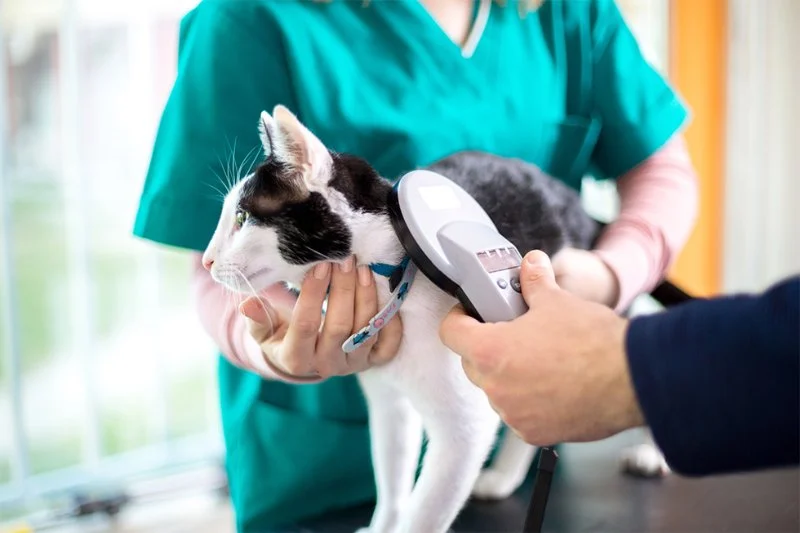
Microchipping is a simple procedure in which a tiny chip, about the size of a grain of rice, is implanted under your pet’s skin, usually between their shoulder blades. This chip contains a unique identification number that is linked to a database containing your contact details. If your pet is lost and taken to a vet or animal shelter, the chip can be scanned, and your details can be accessed to reunite you with your pet quickly.

2.1 The Microchip Implantation Process
Microchipping is a quick and relatively painless procedure. Most pets tolerate the process well, and it only takes a few seconds. It’s typically done by a veterinarian, and while your pet may feel a brief pinch, the process doesn’t require an anaesthetic. After the chip is implanted, it’s important to register your contact details in the microchip database to ensure your pet can be traced if needed.

3. Legal Requirements for Microchipping Pets in the UK
In the UK, the law requires that all dogs must be microchipped by the time they are 8 weeks old. This regulation came into effect in 2016, aiming to improve pet identification and reduce the number of lost or stray dogs. Not microchipping your dog can result in a fine of up to £500. Additionally, if your dog is found without a microchip, you could be liable for the costs of recovery, including kennelling and veterinary fees.
3.1 Why the Law Was Introduced
The microchipping law was introduced to ensure that every dog can be identified quickly and efficiently if they become lost, stolen, or separated from their owner. By making microchipping a legal requirement, authorities aim to improve pet welfare and reduce the number of stray animals that end up in shelters, often without a means of identification.
3.2 What About Other Pets?
While dogs are legally required to be microchipped in the UK, the law doesn’t mandate microchipping for other pets such as cats, rabbits, or guinea pigs. However, many pet owners still choose to microchip their cats, as it increases the chances of reuniting with them if they get lost. Some animal shelters and vets even encourage microchipping of all pets, regardless of species, for better safety and security.
4. The Benefits of Microchipping Your Pet
Microchipping offers many benefits beyond just legal compliance. Here are the top reasons why you should microchip your pet:
4.1 Increased Chance of Reuniting with Your Pet
The most obvious benefit of microchipping is that it significantly increases the likelihood of being reunited with your lost pet. Unlike collars and tags, which can fall off or be removed, a microchip remains securely embedded under your pet’s skin. This provides a permanent method of identification, which is especially useful if your pet is stolen or lost in a crowded area.
4.2 Peace of Mind for Pet Owners
Knowing that your pet is microchipped gives you peace of mind, especially in busy, urban areas or when traveling. Even if your pet slips out of the house or gets lost during a walk, you can rest assured that there’s a way to track them down. The worry of wondering what could happen to them if they’re lost can be alleviated with the security that microchipping provides.
4.3 Easier to Travel with Your Pet
If you plan to travel internationally with your pet, microchipping is often a requirement. Many countries, including the UK, require pets to be microchipped for international travel, as it’s the most reliable way to verify a pet’s identity. Microchipping ensures smooth entry into different countries and prevents complications that could arise if your pet’s identification is questioned.
5. Case Study: How Microchipping Saved a Pet’s Life
In one notable case, a lost dog named Bella was found wandering the streets in a busy part of London. Without identification, Bella’s chances of being reunited with her owner seemed slim. However, thanks to her microchip, the veterinary clinic was able to contact her owner within hours. Bella was safely returned to her owner, and the relief and joy of the reunion were priceless. This case is a prime example of how microchipping can make a significant difference in ensuring a pet’s safety and the peace of mind of their owners.
6. How to Ensure Your Pet’s Microchip Is Registered Correctly
Once your pet is microchipped, it’s essential to ensure that the information linked to the chip is up to date. Many pet owners forget to update their contact details if they move or change phone numbers. It’s important to regularly check the database associated with the microchip to ensure your information is accurate, as outdated details can prevent you from being contacted if your pet is found.
6.1 Registering with the Right Database
In the UK, there are several microchip databases, such as Petlog and Identibase. When you get your pet microchipped, ensure that they are registered with one of these recognised databases and that your contact information is correct. This is essential to ensure a smooth process if your pet is ever lost and found.
7. Conclusion: Microchipping is a Vital Step for Your Pet’s Safety
Microchipping your pet is a simple, affordable, and effective way to ensure their safety. It provides peace of mind knowing that, should your pet go missing, there is a reliable system in place to reunite you with them. In the UK, microchipping is not only a legal requirement for dogs but is also highly recommended for cats and other pets. Visit RegPets for more information on microchipping services, products, and pet safety solutions.




 Gone Barking5.0 (7 reviews)
 Peejay Pet Superstore Ltd4.0 (1173 reviews)
 Sheerbliss Cattery5.0 (19 reviews)
 Calcaria Veterinary Practice4.0 (90 reviews)
 Crookedstone Cattery0.0 (0 reviews)
 Apisto Aquatics5.0 (25 reviews)
 Top 10 Behaviour Training Every Reptile Owner in the UK Should Know
 Common Vaccination Myths Debunked by UK Vets
 How to Handle Emergency Situations with Your Pet | Pet Safety Tips
 Complete Guide to Nutrition Tips for Hamsters: What Your Pet Needs to Stay Healthy
 Dealing with Anxiety and Stress in Pets: Vet Advice for UK Pet Owners
 Top 10 Behaviour Training Every Guinea Pig Owner in the UK Should Know