
- -The Importance of Skin and Coat Care for Senior Pets
- -How Senior Pets' Skin Changes Over Time
- -Top Tips for Maintaining Healthy Skin and Coats in Elderly Pets
- -Common Skin Issues in Senior Pets and How to Address Them
- -Best Products for Senior Pet Coat Care
The Importance of Skin and Coat Care for Senior Pets
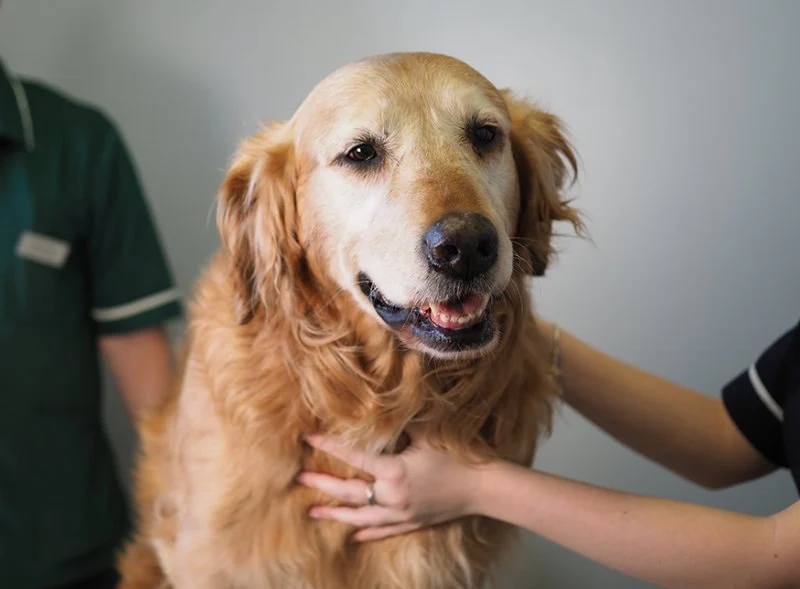
As pets age, their skin and coat undergo natural changes, requiring extra attention and care. For senior pets, maintaining a healthy coat and skin becomes increasingly important, as it affects their overall well-being. In the UK, where weather conditions can be challenging for our furry friends, ensuring proper skin and coat care for elderly pets is essential. In this article, we’ll explore the significance of skin and coat care for senior pets, common issues they face, and practical tips to keep them comfortable and healthy.

How Senior Pets' Skin Changes Over Time
As pets age, their skin becomes thinner, drier, and less elastic. The production of natural oils in the skin decreases, which leads to a dull, brittle coat. This can make elderly pets more susceptible to dryness, irritation, and infections. Additionally, the hair follicles in older pets may slow down, causing thinning or patchy fur.
In the UK, where colder months are common, this dryness can be exacerbated. Senior pets may struggle to maintain proper body temperature due to thinning fur, so it’s crucial to provide them with extra warmth and grooming care. Regular skin and coat maintenance will help to mitigate these effects and improve your pet’s comfort and health.

Mantis N.I
LurganArmagh City, Banbridge and CraigavonNorthern Ireland
21 Union St, Lurgan, Craigavon BT66 8DY, UK
Top Tips for Maintaining Healthy Skin and Coats in Elderly Pets
Maintaining your senior pet’s skin and coat involves a mix of proper grooming, diet, and environmental adjustments. Here are some of the most effective tips to keep their skin and fur healthy:
- Regular Grooming: Groom your senior pet at least once a week to prevent mats and tangles. Brushing also stimulates blood circulation, helping to distribute natural oils and maintain a shiny coat.
- Use Pet-Specific Shampoos: Regular human shampoos can be too harsh for senior pets, leading to further dryness or irritation. Opt for a mild, moisturizing pet shampoo to clean their coat without stripping it of essential oils.
- Consider Supplements: Omega-3 fatty acids, found in fish oil supplements, can help improve skin health and coat condition. Consult your vet about the right supplements to include in your senior pet’s diet.
- Hydration: Ensure your elderly pet has access to fresh water at all times. Dehydration can contribute to dry, flaky skin, so keep them hydrated to promote healthy skin and a shiny coat.
- Provide a Comfortable Environment: Make sure your pet has a warm, comfortable place to sleep. Older pets are more sensitive to temperature changes, so provide them with soft bedding in a quiet, draft-free area.
By following these tips, you can help improve the health and appearance of your senior pet’s skin and coat, contributing to their overall comfort and happiness.
Common Skin Issues in Senior Pets and How to Address Them
As pets age, they become more prone to certain skin conditions. Understanding these issues and knowing how to address them is essential for providing the best care for your senior pet. Here are some common skin problems in older pets:
- Dry Skin: Dry skin is a common issue in senior pets, often caused by reduced oil production. Moisturising shampoos, conditioners, and fish oil supplements can help alleviate dryness.
- Allergies: Older pets may develop allergies to certain foods, environmental factors, or grooming products. If your pet is scratching excessively or showing signs of irritated skin, it’s important to visit the vet to rule out allergies and find an appropriate treatment.
- Hot Spots: Hot spots are inflamed, infected areas of skin that often result from excessive licking or scratching. These areas can become red, swollen, and painful. Regular grooming and keeping your pet's coat clean can help prevent these infections.
- Skin Infections: Senior pets may be more susceptible to bacterial or fungal infections due to weakened immune systems. If you notice redness, swelling, or foul odour, it's best to consult with your vet for treatment.
Early detection and treatment of these issues can prevent further discomfort for your pet. If you suspect any skin conditions, make sure to consult your vet for a proper diagnosis and treatment plan.
Best Products for Senior Pet Coat Care
Using the right products can significantly improve your senior pet's skin and coat health. Here are some top product recommendations for senior pet coat care:
- Moisturising Shampoos: Look for gentle, hydrating shampoos that are specifically designed for senior pets. These products help soothe dry, irritated skin and leave your pet's coat feeling soft and shiny.
- Omega-3 Fatty Acid Supplements: Fish oil supplements are known to promote healthy skin and coat. They help combat dryness and encourage the growth of a thicker, shinier coat.
- Fur Brushes and Combs: Invest in a high-quality brush or comb designed for senior pets. These grooming tools can help reduce mats, promote circulation, and keep your pet's coat in top condition.
- Moisturising Sprays: If your senior pet struggles with dry patches, a moisturizing spray can provide instant relief. These sprays hydrate the skin and help soothe any irritated areas.
For the best selection of grooming products for senior pets, visit RegPets. We offer a range of high-quality skincare and grooming products that cater to the specific needs of elderly pets, ensuring they stay comfortable and healthy.
 Gone Barking5.0 (7 reviews)
 Peejay Pet Superstore Ltd4.0 (1173 reviews)
 Sheerbliss Cattery5.0 (19 reviews)
 Calcaria Veterinary Practice4.0 (90 reviews)
 Crookedstone Cattery0.0 (0 reviews)
 Apisto Aquatics5.0 (25 reviews)
 Top 10 Behaviour Training Every Reptile Owner in the UK Should Know
 Common Vaccination Myths Debunked by UK Vets
 How to Handle Emergency Situations with Your Pet | Pet Safety Tips
 Complete Guide to Nutrition Tips for Hamsters: What Your Pet Needs to Stay Healthy
 Dealing with Anxiety and Stress in Pets: Vet Advice for UK Pet Owners
 Top 10 Behaviour Training Every Guinea Pig Owner in the UK Should Know