
- common-signs-of-pet-allergies-in-the-uk
- environmental-vs-food-allergies-in-dogs-and-cats
- how-to-monitor-and-record-symptoms-effectively
- when-to-consult-your-vet-and-what-to-expect
- managing-pet-allergies-daily-living-tips
1. Common Signs of Pet Allergies in the UK
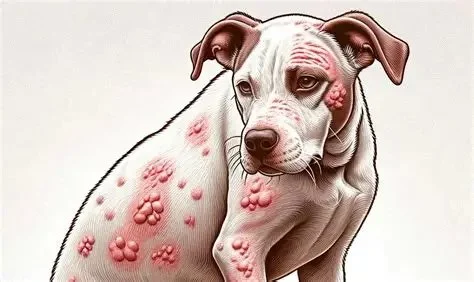
If your dog or cat has been scratching excessively, licking their paws, or developing red patches on their skin, allergies could be the culprit. In the UK, seasonal triggers like pollen and grass, as well as household irritants like cleaning products and dust mites, are common causes.
Many pet owners confuse these symptoms with fleas or dry skin. For instance, Claire from Liverpool thought her Westie’s constant scratching was due to cold weather, but her vet identified a grass allergy after tests. Catching these signs early can make a huge difference.

Battle Flatts Veterinary Clinic - Strensall
38 The Village, Strensall, York YO32 5XR, UK
2. Environmental vs. Food Allergies in Dogs and Cats
2.1 How Environmental Allergies Show Up
Environmental allergens in the UK—such as tree pollen, mould spores, and indoor dust—can lead to watery eyes, sneezing, and skin irritation. Symptoms often flare up during spring and autumn.

2.2 Understanding Food Allergies
Unlike environmental allergies, food sensitivities may show year-round. Common culprits include beef, dairy, chicken, and wheat. Your cat or dog may experience vomiting, diarrhoea, or ear infections as part of their reaction. If you suspect this, try an elimination diet under veterinary guidance.
3. How to Monitor and Record Symptoms Effectively
3.1 Start a Symptom Diary
Track changes in behaviour, diet, and physical symptoms daily. Apps like Pawtrack or even a simple notebook can be surprisingly helpful. Take note of when and where symptoms occur — for example, “itching increased after walk in Hyde Park.”
3.2 Photograph Symptoms
Photos can provide your vet with clear visual evidence of flare-ups. Use natural light and capture close-ups of any skin changes, swelling, or discharge. This step is especially helpful for remote consultations, which are increasingly popular across UK vet services.
4. When to Consult Your Vet and What to Expect
4.1 Know the Threshold
If symptoms persist for more than a week or worsen, it’s time to consult your vet. UK veterinary practices often perform skin scrapings, allergy panels, or blood tests to determine triggers.
4.2 The Diagnosis Process
Don’t expect immediate answers. Your vet may recommend a food trial lasting 6–8 weeks or referral to a veterinary dermatologist. At this point, many pet parents find that connecting with specialists or finding hypoallergenic products via services like RegPets makes the process smoother.
5. Managing Pet Allergies: Daily Living Tips
5.1 Allergen Control at Home
Regular vacuuming, air purifiers, and washing bedding in hypoallergenic detergent can reduce triggers. In multi-pet households, make sure the affected pet isn’t exposed to shared food bowls or toys that might be contaminated.
5.2 Grooming and Skincare
Oatmeal baths, anti-itch sprays, and medicated shampoos can help soothe inflamed skin. Look for UK-approved products or consult your vet before applying anything new. Many pet owners find relief by switching to limited-ingredient diets, available from specialist retailers like RegPets.
5.3 Emotional Wellbeing
It’s not just physical discomfort—pets with chronic allergies may become irritable or withdrawn. Keep routines consistent and offer plenty of positive reinforcement. A little extra patience goes a long way, as does regular engagement with local support communities online or through your vet.






 Greenland's Cattery4.0 (40 reviews)
 Ballymena Pet Vets4.0 (91 reviews)
 Jalia Designs Pet Boutique5.0 (10 reviews)
 Abbey Veterinary Centre - Chester le Street4.0 (306 reviews)
 Reptile - live food0.0 (0 reviews)
 Vets for Pets - Kirby in Ashfield4.0 (464 reviews)
 Pet Dental Care: Why Regular Vet Visits Matter for Your Pet’s Oral Health
 How to Manage Your Pet’s Weight and Prevent Obesity
 Complete Guide to Seasonal Health Tips for Reptiles
 Seasonal Health Tips for Guinea Pigs: Essential Care Advice for UK Pet Owners
 Managing Pet Anxiety and Stress: Expert Vet Advice
 How to Spot Signs of Arthritis in Older Pets