
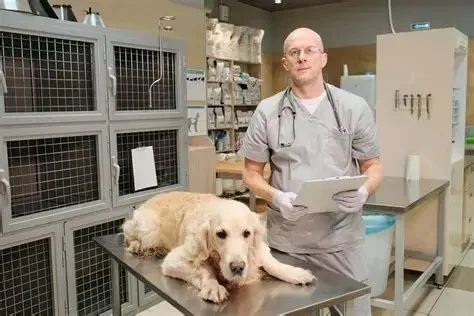
1. Your Pet Is Vomiting Consistently
Vomiting is a common issue for pets, but when it becomes frequent, it could indicate a serious health problem. Whether your pet is vomiting food, bile, or even blood, it’s important to pay attention to the frequency and nature of the vomiting. If your pet has vomited multiple times within a short period, or if the vomiting is accompanied by lethargy, a change in appetite, or other unusual behaviors, it’s time to seek veterinary help. Persistent vomiting could be a sign of gastrointestinal issues, infections, or even poisoning.

Ards Veterinary Clinic (ACE Vets)
Ards and North DownNorthern Ireland
2 High St, Newtownards BT23 4JL, UK
When to Call the Vet:
If your pet has vomited more than once in 24 hours or shows other concerning symptoms like diarrhea or blood in the vomit, make sure to contact your vet right away. For quick help, you can also check pet health services available at RegPets for trusted recommendations.

2. Sudden Weight Loss or Gain
Drastic changes in your pet’s weight, whether it’s rapid weight loss or unexplained weight gain, can indicate a health issue. Weight loss could be a sign of serious conditions like diabetes, cancer, or thyroid issues. On the other hand, sudden weight gain might be linked to obesity, heart problems, or hormonal imbalances. Monitoring your pet’s weight is essential in understanding their overall health and wellbeing.
When to Seek Veterinary Attention:
If you notice a sudden shift in your pet’s weight, either up or down, visit your vet to rule out underlying health conditions and get proper guidance. RegPets provides various products and services to help you manage your pet’s health effectively.
3. Difficulty Breathing or Shortness of Breath
Just like in humans, breathing issues in pets should be taken seriously. If your pet is wheezing, coughing excessively, or struggling to breathe, it may indicate conditions such as heart disease, respiratory infections, or even asthma. Pets that are panting excessively without any obvious reason should also be examined by a vet.
When to Seek Immediate Help:
If your pet is showing signs of difficulty breathing, such as labored breathing, gasping for air, or a bluish tint to the gums or tongue, it’s crucial to seek veterinary care immediately.
4. Lethargy or Unusual Tiredness
While pets do need rest, lethargy or a sudden decrease in activity can be a red flag. If your pet is unusually tired, refuses to play, or seems uninterested in their surroundings, it could be a symptom of infection, pain, or a serious medical condition. Keep an eye on their behavior and look for other symptoms, like lack of appetite or a change in drinking habits, to help identify the cause.
When to Visit the Vet:
When lethargy is paired with other warning signs like a fever or loss of appetite, it is important to schedule a vet visit as soon as possible to get a proper diagnosis.
5. Changes in Appetite or Drinking Habits
A sudden change in your pet’s eating or drinking habits can point to various issues. If your pet is refusing food or water or suddenly consuming more than usual, it could be due to a number of health concerns, including diabetes, kidney disease, or digestive issues. Inconsistent eating habits are an early sign that something is wrong and should be addressed immediately.
What to Do:
If you notice your pet drinking excessively, or if they suddenly become disinterested in food, schedule a vet appointment to check for potential underlying causes.
6. Abnormal Stool or Urine
Changes in your pet’s bowel movements or urination patterns are another major indicator of health problems. Diarrhea, constipation, blood in stool, or difficulty urinating can all signal that something is wrong with your pet’s digestive or urinary system. Pets may also display signs of pain when passing urine or stool, which should not be ignored.
When to Call the Vet:
If your pet has had abnormal stools for more than 24 hours or is straining to urinate, it’s time to get professional help. You may want to consider looking into the best veterinary clinics via RegPets for immediate assistance.
7. Sudden Lameness or Difficulty Moving
If your pet is limping, having trouble walking, or avoiding certain movements, it could be an indication of injury or an underlying condition like arthritis. Dogs and cats often try to hide their pain, so any change in their mobility should be taken seriously. If the lameness persists for more than a day or worsens, it’s time to visit the vet.
What to Look Out For:
Watch your pet for any signs of discomfort, such as limping, stiffness, or reluctance to climb stairs or jump. These symptoms might require immediate attention.
8. Unusual Behavior or Aggression
Pets that are suddenly aggressive, fearful, or showing other drastic behavioral changes may be suffering from pain, neurological issues, or even poisoning. Changes in behavior can also indicate stress, anxiety, or a medical condition that requires a veterinarian's expertise.
When to Seek Veterinary Care:
Behavioral changes, especially those that are extreme, such as biting or excessive hiding, should prompt a trip to the vet for a full evaluation.
9. Seizures or Tremors
Seizures or tremors in pets are alarming and can be caused by various conditions, including epilepsy, poisoning, or even brain tumors. If your pet experiences a seizure, it’s important to get them checked immediately to identify the cause and prevent future episodes.
What to Do:
If your pet has a seizure, stay calm and protect them from injury. Afterward, contact your vet for an emergency evaluation.
10. Excessive Scratching or Hair Loss
Excessive itching, scratching, or hair loss can indicate skin infections, allergies, or parasites like fleas or ticks. If your pet is scratching constantly, licking certain areas obsessively, or losing patches of fur, a vet will need to assess the condition and recommend the appropriate treatment.
When to Take Your Pet to the Vet:
If scratching persists for more than a day or if it’s accompanied by redness, swelling, or sores, make sure to book an appointment with a vet to get the right diagnosis and treatment.
If you're unsure of where to go or what products may help your pet, visit RegPets for trusted recommendations on pet care products and services.





 Gone Barking5.0 (7 reviews)
 Peejay Pet Superstore Ltd4.0 (1173 reviews)
 Sheerbliss Cattery5.0 (19 reviews)
 Calcaria Veterinary Practice4.0 (90 reviews)
 Crookedstone Cattery0.0 (0 reviews)
 Apisto Aquatics5.0 (25 reviews)
 Top 10 Behaviour Training Every Reptile Owner in the UK Should Know
 Common Vaccination Myths Debunked by UK Vets
 How to Handle Emergency Situations with Your Pet | Pet Safety Tips
 Complete Guide to Nutrition Tips for Hamsters: What Your Pet Needs to Stay Healthy
 Dealing with Anxiety and Stress in Pets: Vet Advice for UK Pet Owners
 Top 10 Behaviour Training Every Guinea Pig Owner in the UK Should Know