
- understanding-the-importance-of-pet-dental-health
- common-dental-issues-faced-by-uk-pets
- why-regular-vet-checkups-are-essential
- professional-cleanings-vs-home-care
- real-life-case-pet-dental-emergency-uk
- making-dental-health-a-routine
1. Understanding the Importance of Pet Dental Health
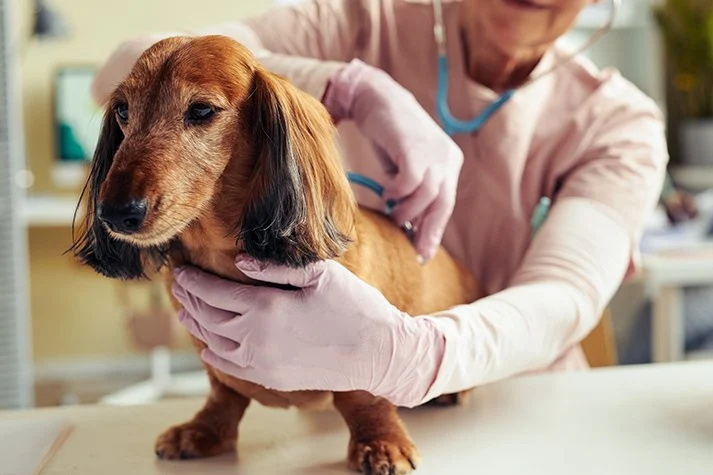
Dental care for pets is just as vital as it is for humans. Unfortunately, it’s often overlooked until there’s a visible problem. Gum disease, tooth decay, and infections don’t just affect a pet’s mouth—they can lead to severe complications, including heart and kidney damage. In the UK, many pet owners are becoming more aware of this through initiatives by local vet clinics and pet health campaigns. Keeping your pet’s teeth and gums healthy supports their overall well-being and can significantly extend their life expectancy.

2. Common Dental Issues Faced by UK Pets
Pets in the UK, especially older cats and small dog breeds, are prone to specific dental problems. The most common include plaque buildup, gingivitis, and tooth resorption. British Shorthair cats, for instance, are known to develop tartar more rapidly. Small dogs like Chihuahuas often have overcrowded teeth, making them more susceptible to decay. Without intervention, these issues progress silently, often unnoticed until pets stop eating or show signs of pain.

3. Why Regular Vet Checkups Are Essential
Routine vet visits are the frontline defence against pet dental disease. A vet can identify problems early, often before symptoms appear at home. Dental checkups may include scaling, X-rays, and periodontal exams. UK vets recommend annual dental checks for most pets, though older animals or those with a history of issues may need biannual assessments. Preventative care is less costly and far less distressing than emergency tooth extractions.
4. Professional Cleanings vs Home Care
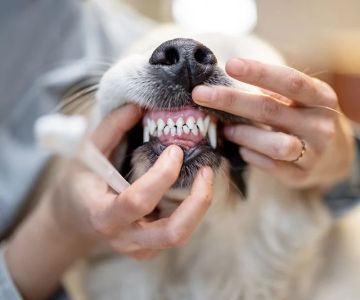
While daily brushing and dental chews help, nothing substitutes for a professional cleaning. Vets in the UK perform cleanings under anaesthesia, allowing them to reach beneath the gum line and inspect for hidden damage. Still, home care remains critical. Using vet-approved brushes and toothpaste, you can reduce the frequency of needed professional interventions. Start slow—some pets take time to adjust. Your local vet or pet store may offer demonstrations.
5. Real-Life Case: Pet Dental Emergency in the UK
Emma, a pet owner from Birmingham, noticed her 7-year-old Cocker Spaniel had bad breath and avoided chew toys. A vet visit revealed several loose teeth and an advanced gum infection. The dog required surgery to remove four teeth. Emma admitted she had never considered dental care a priority. Since then, she’s become an advocate in her local community, encouraging regular dental checkups. Her story is not uncommon—and it highlights the need for awareness and preventive action.
6. Making Dental Health a Routine
Creating a routine doesn’t have to be overwhelming. Start with monthly visual inspections of your pet’s mouth—look for discoloured teeth, bleeding gums, or foul odours. Use dental-friendly toys and provide a diet that supports oral health. Consult your vet on suitable treats and cleaning products. For those looking for curated dental care products and professional vet services, RegPets offers a tailored range designed with UK pet owners in mind. Building good habits today can spare your pet pain and protect their long-term health.



 End Cottage Vets4.0 (491 reviews)
 Woodside Pet Care4.0 (44 reviews)
 Tweed House Vets4.0 (283 reviews)
 Pets at Home Workington4.0 (443 reviews)
 Pets at Home Craigavon4.0 (577 reviews)
 Veterinary Acupuncture and Pain Management5.0 (5 reviews)
 How to Handle Emergency Situations with Your Pet in the UK
 Understanding Flea and Tick Prevention for Pets in the UK
 The Importance of Microchipping Your Pet in the UK | RegPets
 Recognising Allergy Symptoms in UK Dogs and Cats: What to Watch For
 Common Vaccination Myths Debunked by UK Vets
 Vet-Approved Nutrition Tips for Hamsters | Guide to Healthy Hamster Diets