
- Understanding Fish Behaviour
- Creating the Right Environment for Fish Training
- Step-by-Step Guide to Training Your Fish
- Common Challenges in Fish Training and How to Overcome Them
- Why RegPets Can Help You Train Your Fish Effectively
Understanding Fish Behaviour
Before diving into the specifics of fish behaviour training, it's important to understand the natural instincts and behaviours of fish. Fish, like other pets, have distinct ways of interacting with their environment, and these behaviours are often linked to their instincts for survival. Some fish species are more social and curious, while others tend to be more solitary and territorial. Understanding these natural tendencies will help you tailor your training approach to your specific fish species.
Fish can respond to their environment, interactions, and stimuli, including light, movement, and sound. They can also form associations with certain actions or events, which makes training possible. However, unlike mammals, fish do not have the same cognitive abilities, so their training process requires patience and consistency.

Creating the Right Environment for Fish Training
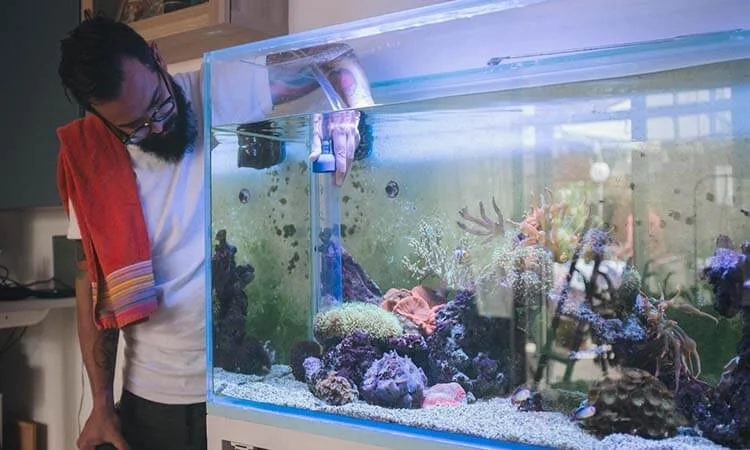
To successfully train your fish, you need to ensure that their environment is conducive to learning. The aquarium should be clean, calm, and stress-free. Stress can hinder learning and cause fish to act unpredictably, so maintaining a stable and healthy environment is essential. Here are a few tips for creating the right atmosphere for fish training:
- Maintain water quality: Ensure that your aquarium's water is clean and free from harmful chemicals. Use a good filtration system and test the water regularly for ammonia, nitrites, and pH levels.
- Provide hiding spots: Fish, especially more nervous species, need places where they can feel safe and secure. Adding rocks, plants, or other hiding spots in your tank can reduce stress.
- Ensure proper lighting: Fish are sensitive to lighting. Too much bright light can cause stress, while too little can make it difficult for them to see their food or the trainer. Use dim, steady lighting that mimics their natural habitat.
When your fish feel safe and comfortable in their environment, they are more likely to respond positively to training sessions.

Step-by-Step Guide to Training Your Fish
Training your fish at home can be a fun and rewarding experience. Here is a simple step-by-step guide to help you get started:
- Start with simple tasks: Begin by teaching your fish simple tasks, like following your finger or swimming through hoops. Use food rewards to encourage positive behaviours.
- Consistency is key: Fish, like all animals, respond well to repetition. Ensure that you train them regularly, using the same commands and rewards. Over time, your fish will start associating your actions with certain rewards.
- Be patient: Fish take time to learn, so it’s important to be patient and persistent. Some fish may pick up behaviours quickly, while others may take a bit longer to respond.
- Use positive reinforcement: Offer food or other rewards every time your fish successfully completes a task. This reinforces the desired behaviour and helps the fish associate their actions with positive outcomes.
By following these steps, you can gradually train your fish to perform a range of behaviours, from simple tricks to more complex tasks.
Common Challenges in Fish Training and How to Overcome Them
While fish training can be a lot of fun, there are a few common challenges that you may encounter. Understanding these potential obstacles and knowing how to overcome them will help you stay on track with your training:
- Lack of motivation: Unlike dogs, fish do not naturally crave attention or interaction. To overcome this, focus on food rewards that motivate your fish. Use their favorite treats to encourage them to engage during training sessions.
- Stress and anxiety: Fish that are stressed may be less responsive to training. Ensure that your aquarium environment is peaceful, with appropriate water quality and hiding spots, to keep your fish relaxed and ready to learn.
- Slow progress: Some fish species are more challenging to train than others. If you’re not seeing quick results, try switching up your approach. Be patient and adjust your techniques as needed.
Why RegPets Can Help You Train Your Fish Effectively
If you're looking for expert guidance and the best products to support your fish training efforts, RegPets is here to help. We offer a wide selection of high-quality aquarium supplies, including training tools, food, and accessories that are ideal for improving fish behaviour at home. Whether you're a beginner or an experienced fish trainer, our resources and product recommendations can help you achieve success in training your fish.
Visit RegPets today to find the best products and expert advice that will make your fish training experience more enjoyable and effective.






 Gone Barking5.0 (7 reviews)
 Peejay Pet Superstore Ltd4.0 (1173 reviews)
 Sheerbliss Cattery5.0 (19 reviews)
 Calcaria Veterinary Practice4.0 (90 reviews)
 Crookedstone Cattery0.0 (0 reviews)
 Apisto Aquatics5.0 (25 reviews)
 Top 10 Behaviour Training Every Reptile Owner in the UK Should Know
 Common Vaccination Myths Debunked by UK Vets
 How to Handle Emergency Situations with Your Pet | Pet Safety Tips
 Complete Guide to Nutrition Tips for Hamsters: What Your Pet Needs to Stay Healthy
 Dealing with Anxiety and Stress in Pets: Vet Advice for UK Pet Owners
 Top 10 Behaviour Training Every Guinea Pig Owner in the UK Should Know