
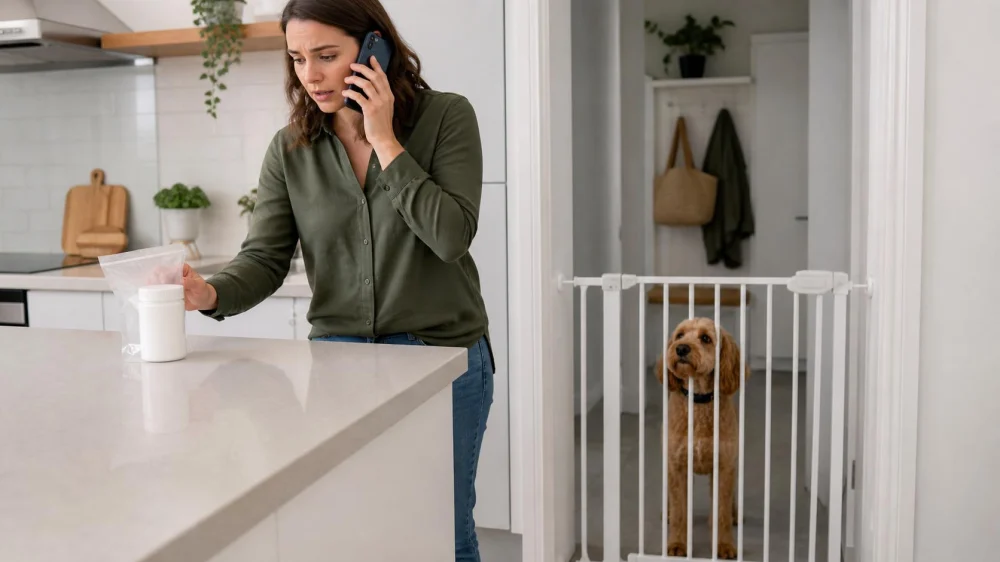
Suspected Pet Poisoning: Remove Access and Call a UK Vet
On this page
Quick answer
If you think a pet has swallowed, inhaled, touched, or been exposed to a poison, move the pet away from the source without exposing yourself and call a vet immediately. Do not wait for symptoms, induce vomiting, give salt water, food, milk, charcoal, or human medicine unless a veterinary professional instructs you. Keep the package, plant, sample, photo, and exposure time available only when safe.

Aristocat Luxury Cat Hotel 5 Star Rated by Chesterfield Borough Council
Old WhittingtonDerbyshireEngland
Broomhill Farm, Broomhill Rd, Old Whittington, Chesterfield S41 9EA, UK
Treat suspicion as time-sensitive even before symptoms
The risk depends on the substance, dose, species, body size, route, time, and current signs. A pet can appear normal before effects develop, and a home remedy can add harm or delay specific treatment. RSPCA UK advice says to contact a vet immediately, report when, where, and how exposure occurred, and never watch and wait or try to make a dog vomit. Professional triage determines the next safe action.
This guide is for UK pet owners facing a possible toxic exposure. It cannot identify a substance or calculate a toxic dose. Farm animals, wildlife, exotic pets, smoke, chemical spills, human exposure, and intentional harm may require additional emergency services.
Vets for Pets - Rawtenstall
Inside Pets at Home, New Hall Hey Retail Park, Rossendale BB4 6HR, UK
Practical checklist
- Move the pet away from the source and prevent access by other animals or children.
- Protect yourself from fumes, powders, liquids, bites, contaminated fur, and broken containers.
- Call the registered vet or out-of-hours provider immediately rather than waiting for symptoms.
- Report species, weight, substance, amount at risk, route, time, symptoms, and health conditions.
- Keep original packaging, ingredient list, plant, photo, or sample if it can be handled safely.
- Do not induce vomiting or give salt water, milk, oil, food, charcoal, or medicine unless directed.
- Do not drive if impaired or distracted; arrange safe transport and take the vet's route instructions.
- Record calls, advice, onset of signs, and anything already given or removed.
Step-by-step plan
- Stop further access without reaching into the pet's mouth or entering a contaminated atmosphere.
- Call a vet immediately and put the phone on speaker only if doing so is safe.
- Read the exact product name and ingredients from the package; do not rely on colour or appearance.
- Follow directions about skin or fur rinsing, ventilation, transport, or bringing evidence; do not improvise.
- Keep the pet calm and separated from other animals while monitoring breathing, awareness, movement, and vomiting.
- Transport using an appropriate carrier or restraint and bring the package in a sealed outer bag when advised.
- Tell the vet every home product or medicine used, even if the amount is uncertain.
Record exposure time or range, place, product and ingredients, concentration, container size, estimated amount missing, species, weight, route, symptoms, photos, packaging, other exposed pets or people, calls, advice, and any cleaning or substance already given.
Limits and important notes
Online poison lists are incomplete and cannot establish safety from a missing symptom. The same substance can affect species differently, and labels may use mixtures or concentrations. Vomiting can worsen corrosive, petroleum, sharp-object, sedating, or inhalation risks. Never delay a veterinary call to calculate a dose or search for a remedy.
Use the veterinary practice's emergency or out-of-hours route immediately. Report collapse, seizure, breathing difficulty, severe weakness, repeated vomiting, bleeding, tremors, altered consciousness, burns, or rapid deterioration. Call human emergency services or poison advice too if a person was exposed, and do not re-enter a dangerous chemical or smoke environment to retrieve evidence.
Frequently asked questions
Should I make my pet vomit?
No, not unless a veterinary professional specifically directs it for that exposure. RSPCA warns never to induce vomiting or use salt water.
Can I wait until symptoms appear?
No. RSPCA advises immediate veterinary contact because treatment may be time-sensitive and signs can be delayed.
What should I bring to the vet?
When safe and requested, bring the original package or a photo, ingredient details, a secure sample or plant, and your exposure timeline.
What if I do not know how much was eaten?
Call anyway. Describe the pet's weight, container size, amount missing or spilled, possible time range, and uncertainty so the vet can triage.
Sources and evidence
The Royal Society for the Prevention of Cruelty to Animals' UK poisoning guidance says to remove the pet from the source, contact a vet immediately with when, where, and how exposure occurred, follow veterinary advice, avoid watchful waiting, never induce vomiting or use salt water, and bring evidence only when safe. Your vet and poison specialists direct the individual case.
Conclusion and next steps
Save your veterinary practice and out-of-hours numbers now. During a suspected exposure, prevent more access, call immediately, and give exact label and timing details. Follow professional instructions, transport safely, and preserve packaging and the full record instead of trying an online or household antidote.


 Vets for Pets Rotherham4.0 (417 reviews)
 Cattery in Lincoln Willow Tree Cat Hotel5.0 (26 reviews)
 Doggie Divider0.0 (0 reviews)
 Hyperthyroid Cat Centre4.0 (84 reviews)
 Tynemouth Seal Hospital4.0 (7 reviews)
 Penarth Pet Shop4.0 (31 reviews)
 What to Expect During Your Pet’s First Vet Visit: A Comprehensive Guide
 Expert Vet Advice on Exercise and Fitness for Rabbits
 Top 10 Travel Safety Tips Every Cat Owner in the UK Should Know
 How to Prevent Dog Slug Pellet Poisoning in UK Gardens
 Complete Guide to Mental Health for Kittens: Supporting Your Kitten's Well-Being
 How to Improve Kittens Dental Care at Home