
- slug-pellet-risks-dog-garden-exposure-uk
- symptoms-metaldehyde-poisoning-dogs-recognition
- safe-garden-design-prevent-dog-toxin-ingestion
- real-case-story-pet-poisoning-incident-insight
- prevention-strategies-and-regpets-safety-guidance
Understanding Why Slug Pellets Are a Hidden Danger in UK Gardens
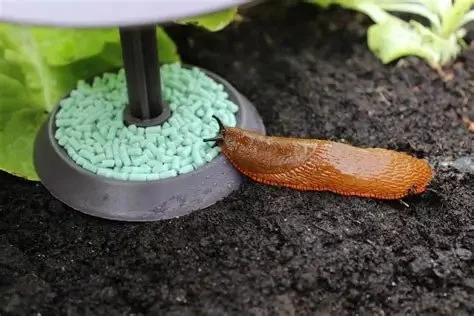
Many dog owners in the UK are surprised to learn that a beautifully maintained garden can hide one of the most dangerous toxins for pets: slug pellets. These small blue or green granules are commonly used to protect plants, but they often contain chemicals like metaldehyde or ferric phosphate, both of which can pose serious risks to dogs.
The issue is not just accidental ingestion. Dogs are naturally curious, and even a quick sniff or lick can lead to exposure. In rural villages across England, veterinarians have reported seasonal spikes in slug pellet poisoning dogs, especially during wet spring months when slug activity increases and gardeners rely heavily on pellets.
One veterinarian in Surrey shared that nearly every rainy season brings at least a few emergency cases involving dogs that found pellets in backyard flower beds. These incidents are often preventable, yet they continue due to lack of awareness.

How Slug Pellets Affect Dogs Physically and Neurologically
Metaldehyde Toxicity and Rapid Onset Symptoms
The most concerning ingredient in traditional slug pellets is metaldehyde. Once ingested, it attacks the nervous system, often within one to three hours. Symptoms include tremors, drooling, vomiting, and seizures. Without rapid veterinary intervention, the condition can become fatal.
Dog owners sometimes mistake early symptoms for mild stomach upset, which delays treatment. However, metaldehyde poisoning is a medical emergency that requires immediate attention.

Freiston Veterinary Centre
Unit 1, Freiston Enterprise Park, Priory Rd, Freiston, Boston PE22 0JZ, UK
Secondary Exposure Risks in Outdoor Spaces
Even if a dog does not directly eat pellets, secondary exposure can occur. For example, a dog walking through treated soil may ingest residue when licking its paws. This makes garden safety planning essential rather than optional.
How Dogs Commonly Encounter Slug Pellets in Gardens
Most poisoning cases happen in familiar environments: home gardens, shared community spaces, or neighbor properties. Slug pellets are often scattered near flower beds, vegetable patches, or hidden under mulch.
A common scenario involves dogs digging or sniffing in freshly treated soil. Puppies and younger dogs are especially vulnerable because they explore the world through taste and smell.
In one widely shared case from northern England, a family Labrador became severely ill after ingesting pellets hidden under fallen leaves. The owner had assumed the garden was safe, not realizing pellets had been recently applied by a neighbor.
Recognizing Early Warning Signs Before It Becomes Critical
Early detection is one of the most important factors in preventing severe outcomes. Symptoms of poisoning can escalate quickly, so awareness is key.
Behavioral Changes to Watch Closely
Dogs exposed to toxic substances may appear unusually restless, disoriented, or overly sensitive to noise and light. Some may begin pacing or hiding, while others become excessively clingy.
Physical Symptoms That Require Immediate Action
Common signs include muscle tremors, excessive drooling, rapid breathing, and loss of coordination. In severe cases, seizures can occur without warning.
Creating a Safer Garden Environment for Dogs
Replacing Chemical Controls with Pet-Safe Alternatives
One of the most effective ways to reduce risk is to avoid chemical slug control altogether. Natural deterrents such as crushed eggshells, copper tape, or organic pellets can help manage slug populations without introducing toxins into your garden.
Homeowners who switched to pet-safe alternatives often report not only improved safety but also healthier soil ecosystems over time.
Designing Pet-Friendly Zones in Outdoor Spaces
Creating dedicated dog-safe areas in your garden can significantly reduce exposure risks. This might include fenced play zones or gravel paths that discourage digging in planted areas.
Separating vegetable patches or flower beds where chemicals may be used is another effective strategy.
Real-Life Case: A Preventable Emergency in a Family Garden
A family in Kent shared their experience after their Border Collie, Daisy, suffered from slug pellet poisoning. The pellets had been placed near a vegetable patch earlier in the week. The family assumed rainfall had diluted any danger.
However, Daisy dug into the soil during playtime and ingested residue. Within hours, she began showing tremors and disorientation. Emergency veterinary care saved her life, but the emotional stress on the family was overwhelming.
After recovery, the owners redesigned their entire garden and adopted strict pet-safe landscaping practices. They also began educating neighbors about the hidden risks of slug pellets.
Long-Term Prevention Strategies Every Dog Owner Should Follow
Preventing poisoning is not about reacting to incidents—it is about building consistent habits that eliminate risk over time. Regular garden inspections, communication with neighbors, and awareness of seasonal pesticide use are essential.
Dog owners are encouraged to walk through their gardens weekly, checking for unfamiliar substances or recently disturbed soil. Even small changes in environment can signal potential danger.
For households looking for structured safety resources, RegPets provides guidance on pet-safe garden products, toxin awareness, and preventative care strategies tailored to different environments.
Building Awareness in Local Communities
One often overlooked aspect of prevention is community education. Many poisoning cases occur because neighbors are unaware of how dangerous slug pellets can be to pets.
Simple conversations between homeowners can prevent serious accidents. In several UK neighborhoods, informal “pet-safe gardening groups” have successfully reduced chemical use and improved overall safety for animals.
As awareness grows, more gardeners are shifting toward eco-friendly pest control methods that protect both plants and pets.



 Gilmoor Vets, Sunderland4.0 (85 reviews)
 Vets4Pets - Hull4.0 (606 reviews)
 Vets for Pets - Kendal4.0 (134 reviews)
 Robert I Raw5.0 (1 reviews)
 Norton Aquaria4.0 (96 reviews)
 Friends In Soggy Homes4.0 (342 reviews)
 Complete Guide to Preventive Care for Exotic Pets
 Can Dogs Eat Feta Cheese? Salty Dairy Risks and Safe Portion Control for Pets
 First Aid Tips for Guinea Pigs: What UK Pet Owners Need to Know
 Complete Guide to Common Illnesses for Puppies: Symptoms, Causes, and Treatments
 Top 10 Common Illnesses Every Fish Owner in the UK Should Know
 The Importance of Exercise and Fitness for Hamsters – UK Edition