
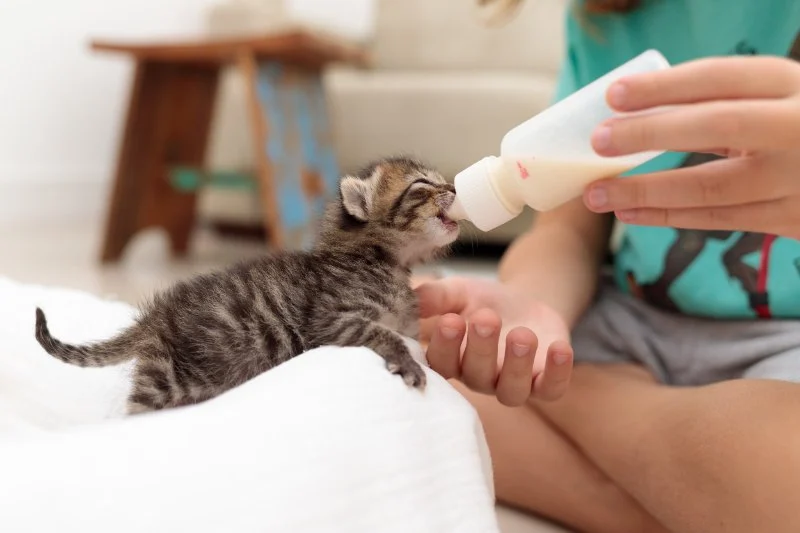
Complete Guide to Mental Health for Kittens
- Understanding Kitten Mental Health
- Signs of Mental Health Issues in Kittens
- How to Support Your Kitten's Mental Health
- Creating a Healthy Environment for Your Kitten
- Why Choose RegPets for Kitten Health Products
Understanding Kitten Mental Health
Just like humans, kittens can experience mental health issues that impact their overall well-being. Their mental health is just as important as their physical health, and as a pet owner, it’s crucial to understand how to care for them emotionally. A kitten's early experiences can shape its personality and behaviour throughout life, which is why providing a nurturing and supportive environment from the start is key.
Kitten mental health refers to their emotional state, stress levels, and overall well-being. When kittens are mentally healthy, they are curious, playful, and confident. However, mental health challenges can affect their behaviour, leading to signs of anxiety, stress, and fear. Early intervention and support are essential to ensure they grow into well-adjusted adult cats.

Valley Lodge Cattery
TandrageeArmagh City, Banbridge and CraigavonNorthern Ireland
40 Mullahead Rd, Tandragee, Craigavon BT62 2LA, UK
Signs of Mental Health Issues in Kittens
While kittens are naturally playful and curious, they can show signs of mental health issues if they are stressed, anxious, or scared. It’s important to pay attention to their behaviour to catch potential issues early. Here are some common signs of mental health problems in kittens:

1. Aggression
If a normally friendly kitten becomes aggressive, it could be a sign of stress or anxiety. This may be caused by a traumatic experience, an unstable environment, or fear of new surroundings. Aggression can also be a form of defence when they feel threatened or overwhelmed.
2. Lethargy
Kittens who seem unusually lethargic or uninterested in play may be experiencing depression or sadness. This can occur if they are isolated, not receiving enough stimulation, or if there’s a significant change in their environment.
3. Excessive Grooming or Self-Mutilation
Excessive grooming or self-mutilation (such as licking or biting at their skin) can be a sign of anxiety or stress. If left untreated, it can lead to physical injuries and worsen the kitten’s mental health.
4. Hiding and Avoidance
It’s normal for kittens to retreat and hide from time to time, especially if they’re feeling scared or overwhelmed. However, if a kitten consistently hides and avoids interaction, it may be a sign of chronic stress or fear.
How to Support Your Kitten's Mental Health
As a kitten owner, there are several ways you can support your kitten’s mental health and help them grow into a confident, well-adjusted cat. Here are some effective strategies for promoting mental wellness:
1. Provide a Stable and Safe Environment
A stable and predictable environment is key to a kitten's mental health. This includes consistent feeding times, a safe and clean space to play, and quiet places for them to retreat when they need rest. Avoid sudden changes in their routine, as this can be distressing to them.
2. Socialisation
Early socialisation is essential for kittens. Introduce them to various environments, sounds, people, and other pets in a gradual, positive way. This helps them become more adaptable and less fearful as they grow.
3. Playtime and Mental Stimulation
Kittens are naturally playful and require plenty of stimulation. Interactive toys, puzzle feeders, and safe playtime with humans or other pets can help them stay engaged and prevent boredom, which can lead to anxiety and stress.
4. Regular Vet Visits
Just as important as their physical health, mental health should also be monitored by a vet. Regular vet visits help ensure your kitten’s overall health, including mental well-being. If your kitten shows signs of stress or anxiety, a vet can recommend further treatments or therapies.
Creating a Healthy Environment for Your Kitten
The environment in which your kitten lives plays a significant role in its mental health. A calm, safe, and engaging space can encourage a happy, healthy kitten. Here are some tips for creating the best environment for your kitten:
1. Provide Comfort and Security
Ensure your kitten has a quiet, safe space where they can retreat when they need peace and quiet. This could be a soft bed, a hideaway box, or a calm corner of the room. Having a designated resting area helps your kitten feel secure.
2. Enrichment and Variety
Offer a variety of toys and enrichment activities to stimulate your kitten’s mind. From climbing structures to interactive toys, kittens thrive in environments that offer mental and physical challenges.
3. Maintain Consistency
Kittens, like all pets, thrive on routine. Consistent feeding, playtime, and sleeping schedules help them feel secure and reduce stress. Avoid making sudden changes to their environment or schedule without allowing time for adjustment.
Why Choose RegPets for Kitten Health Products
If you're looking for the best products and advice to support your kitten's health, RegPets is the place to go. We offer a wide range of kitten care products, including stress-reducing toys, calming pheromone sprays, and nutritional supplements to promote mental well-being.
RegPets is dedicated to providing high-quality products that help nurture your kitten’s mental and physical health. Visit our website to find the perfect products to ensure your kitten grows up healthy, happy, and well-adjusted.

 Gone Barking5.0 (7 reviews)
 Peejay Pet Superstore Ltd4.0 (1173 reviews)
 Sheerbliss Cattery5.0 (19 reviews)
 Calcaria Veterinary Practice4.0 (90 reviews)
 Crookedstone Cattery0.0 (0 reviews)
 Apisto Aquatics5.0 (25 reviews)
 Top 10 Behaviour Training Every Reptile Owner in the UK Should Know
 Common Vaccination Myths Debunked by UK Vets
 How to Handle Emergency Situations with Your Pet | Pet Safety Tips
 Complete Guide to Nutrition Tips for Hamsters: What Your Pet Needs to Stay Healthy
 Dealing with Anxiety and Stress in Pets: Vet Advice for UK Pet Owners
 Top 10 Behaviour Training Every Guinea Pig Owner in the UK Should Know