
- Why the First Vet Visit Is Crucial
- Preparing for Your Pet’s First Vet Visit
- What to Expect During the First Vet Visit
- Common Questions to Ask the Vet
- After the Visit: What You Need to Know
- Why Choose RegPets for Your Pet Healthcare Needs
Why the First Vet Visit Is Crucial
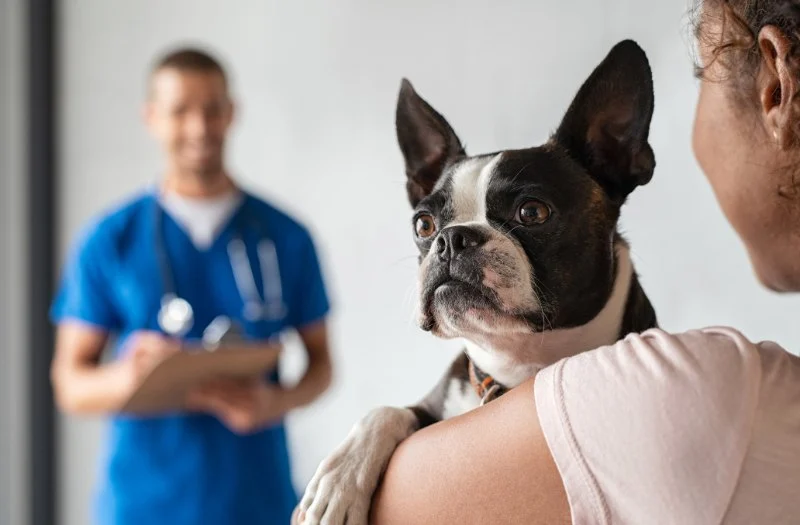
As a new pet owner, one of the first and most important steps in ensuring your pet’s health is scheduling their first vet visit. Whether you’ve just adopted a puppy or kitten, or you’ve recently brought home an older animal, the first vet visit is a crucial part of establishing a solid foundation for their ongoing health and care. During this initial check-up, the vet will conduct a thorough examination, assess your pet's health, and discuss any necessary vaccinations or treatments.
Beyond checking for basic health conditions, the first vet visit is an opportunity for your pet to begin building a positive relationship with the veterinarian. This helps them become more comfortable with future visits, making health care less stressful for both you and your pet. In the UK, regular vet visits are an essential part of responsible pet ownership, and starting with the first visit sets the tone for your pet’s well-being throughout their life.

Preparing for Your Pet’s First Vet Visit
Preparation is key to ensuring your pet’s first visit goes smoothly. Whether it’s your puppy’s first vet check-up or a new adult pet being seen for the first time, there are a few things you can do to make the experience more comfortable:
easipetcare - Kettering
3 Mariners Wy, Northfield Ave, Kettering NN16 8AR, UK
1. Make Sure You Have All Necessary Documents
Before the visit, gather any information you have about your pet’s background. For puppies and kittens, bring details about their birthdate, breed, and any previous vaccinations or treatments they’ve received. If you're adopting an older pet, bring any medical records provided by the shelter or previous owner. This information helps the vet understand your pet’s history and health needs.
2. Prepare Your Pet
If your pet is nervous about car rides or unfamiliar places, try to get them accustomed to the travel process before the vet visit. Take short car trips and allow your pet to explore their carrier or travel crate. Familiarizing them with these experiences can reduce stress on the day of the visit.
3. Have a List of Questions Ready
Use the first vet visit as an opportunity to ask questions about your pet's care. Whether it’s about their diet, behavior, or future health care needs, being prepared with questions will help you get the most out of the visit.
What to Expect During the First Vet Visit
The first visit to the vet can vary depending on your pet’s age and health status, but here are the key components that are typically part of the initial check-up:
1. A Thorough Physical Exam
The vet will begin by performing a thorough physical examination of your pet. This includes checking their eyes, ears, teeth, gums, heart, lungs, and abdomen. The vet will also examine their coat and skin to identify any signs of infection, parasites, or allergies. For puppies and kittens, the vet will check for any congenital issues or signs of early disease.
2. Vaccinations and Preventive Care
If your pet is due for vaccinations, the vet will administer the necessary shots during this visit. For puppies and kittens, the vet may start a vaccination schedule, which includes vaccines like DHPPi for dogs or feline vaccinations for cats. Preventive care, such as flea, tick, and worm treatments, may also be recommended at this time. Your vet will explain the importance of these treatments and establish a schedule for your pet’s future needs.
3. Weight and Growth Monitoring
Monitoring your pet’s growth and weight is an important part of their first vet visit. The vet will weigh your pet and assess their body condition. This helps ensure they are growing appropriately and helps catch any signs of malnutrition or obesity early on.
4. Behaviour and Development Assessment
The vet will also discuss your pet’s behavior and development. If you have a puppy or kitten, they’ll be particularly interested in how your pet is adjusting to their new home and whether they are meeting key developmental milestones. For adult pets, the vet will discuss any behavioral concerns, such as anxiety, aggression, or litter box issues in cats.
Common Questions to Ask the Vet
As a pet owner, you may have a lot of questions during your pet’s first vet visit. Here are some common questions to ask:
1. What vaccines does my pet need, and when?
Understanding your pet’s vaccination schedule is crucial for ensuring their health. Ask your vet to explain which vaccines are required and when they should be administered. This is especially important for puppies and kittens who need a series of vaccines in their first year.
2. What is the best diet for my pet?
Nutrition plays a key role in your pet’s health. Ask your vet for recommendations on the best food for your pet’s age, breed, and activity level. They may suggest specific foods or feeding schedules to meet your pet's nutritional needs.
3. Are there any signs of health problems I should watch for?
Early detection of health issues can prevent serious problems down the line. Ask your vet to explain the warning signs of common conditions such as parasites, skin infections, or dental problems so you can catch them early.
After the Visit: What You Need to Know
After the first vet visit, it's important to follow through with any treatments or recommendations your vet has made. Here are a few things to keep in mind:
1. Schedule Follow-Up Appointments
Your pet will likely need follow-up visits for vaccinations, parasite prevention, or general check-ups. Be sure to schedule these appointments as recommended by your vet.
2. Monitor Your Pet’s Health
Keep an eye on your pet’s behavior, appetite, and overall health after the visit. If you notice any changes or if your pet seems unwell after receiving vaccinations, contact your vet for advice.
Why Choose RegPets for Your Pet Healthcare Needs
At RegPets, we offer a wide range of products and services to ensure your pet stays healthy and happy. From high-quality pet food to grooming and health supplies, we provide everything you need to care for your furry friends. Visit RegPets today to find the perfect products to complement your pet’s healthcare needs and keep them on track for a long, healthy life.



 Gone Barking5.0 (7 reviews)
 Peejay Pet Superstore Ltd4.0 (1173 reviews)
 Sheerbliss Cattery5.0 (19 reviews)
 Calcaria Veterinary Practice4.0 (90 reviews)
 Crookedstone Cattery0.0 (0 reviews)
 Apisto Aquatics5.0 (25 reviews)
 Top 10 Behaviour Training Every Reptile Owner in the UK Should Know
 Common Vaccination Myths Debunked by UK Vets
 How to Handle Emergency Situations with Your Pet | Pet Safety Tips
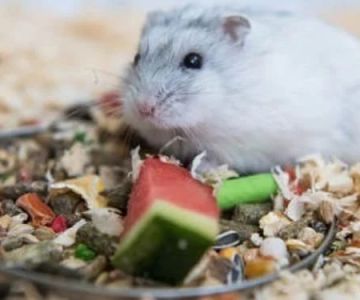
 Complete Guide to Nutrition Tips for Hamsters: What Your Pet Needs to Stay Healthy
 Dealing with Anxiety and Stress in Pets: Vet Advice for UK Pet Owners
 Top 10 Behaviour Training Every Guinea Pig Owner in the UK Should Know