
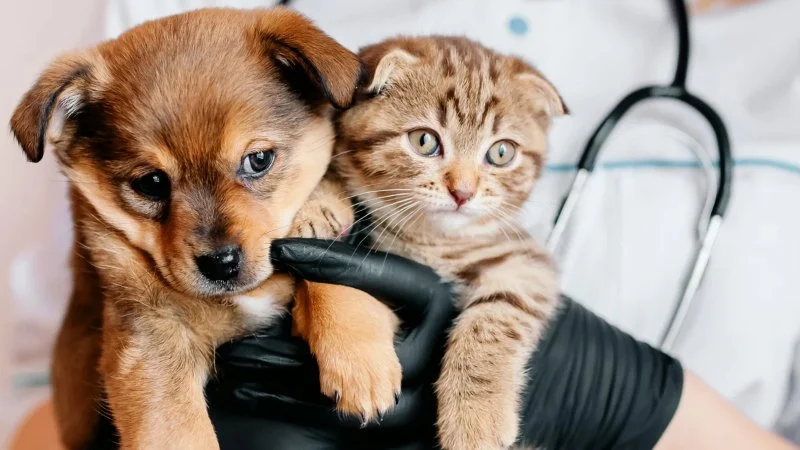
- 1-Preparing for Your Pet's First Vet Visit
- 2-What Happens During the Visit
- 3-Common Vet Tests and Procedures
- 4-After the Vet Visit: What You Should Know
- 5-Tips for First-Time Pet Owners
1. Preparing for Your Pet's First Vet Visit
When you're getting ready to take your pet to the vet for the first time, the process can feel overwhelming, especially if you're a first-time pet owner. However, proper preparation can make the experience smoother for both you and your furry friend.
The first step is ensuring you have the necessary documentation about your pet, such as adoption papers, vaccination records, and any health concerns. These documents help the vet assess your pet's overall health and create a personalized care plan. In addition, it’s important to make sure your pet is comfortable with transportation. Whether you're using a car, public transport, or walking to the vet’s office, getting your pet used to the journey before the appointment will help reduce stress.

2. What Happens During the Visit
Your first visit to the vet will typically begin with a warm welcome and some basic information gathering. The vet will ask you about your pet’s background, behavior, diet, and any health concerns you may have noticed. This is also the time for you to ask any questions you might have about your pet’s health or well-being.
Once the vet has all the details, they will proceed with a thorough physical examination. This includes checking your pet’s weight, ears, teeth, and coat condition. The vet will listen to your pet’s heartbeat, assess their general mobility, and check for any obvious signs of illness. Depending on your pet’s age and breed, this may also include a more detailed analysis of their organ functions.
Don’t worry if your pet seems nervous or scared. This is common during the first vet visit, and the vet will be gentle and reassuring to ensure your pet feels safe.

Pet Stop Market Deeping
Market DeepingLincolnshireEngland
10 Peacock Square, Market Deeping, Peterborough PE6 8LW, UK
3. Common Vet Tests and Procedures
During your pet’s first vet visit, the vet may suggest several tests and procedures based on your pet's age, breed, and health condition. Some common tests include:
- Vaccinations: A first-time visit often involves ensuring your pet is up to date on vaccinations to protect them from common diseases.
- Parasite Control: The vet will check for fleas, ticks, and worms and may suggest treatments for any detected parasites.
- Blood Tests: A general blood test can provide a snapshot of your pet’s overall health, checking for things like infections, organ function, and more.
- Microchipping: If your pet isn’t already microchipped, this is a good time to have it done for identification and safety purposes.
Depending on the results, your vet may recommend additional treatments, such as spaying or neutering, dental care, or other preventive measures.
4. After the Vet Visit: What You Should Know
After your pet’s first vet visit, you’ll receive advice and instructions on how to care for your pet moving forward. This might include dietary recommendations, exercise routines, or specific health check-ups.
It’s normal for pets to feel a bit tired after their visit, especially if they had vaccinations or any other treatments. Monitor your pet for any signs of discomfort or unusual behavior, and don’t hesitate to contact your vet if you have concerns. The vet may also recommend follow-up visits, particularly if any treatments were performed or if your pet has specific health needs.
Many pet owners choose to set up a regular health check schedule with their vet. This helps ensure your pet’s well-being is continuously monitored and any potential health issues are detected early.
5. Tips for First-Time Pet Owners
For first-time pet owners, the first vet visit can be a bit overwhelming. To make the process easier, consider the following tips:
- Be calm and reassuring: Your pet will pick up on your emotions. The calmer you are, the more relaxed they will be.
- Prepare questions: Write down any concerns or questions you have before the visit so you don’t forget to ask the vet during the appointment.
- Take it slow: If your pet is particularly anxious, consider visiting the vet office a few times before the actual appointment just to get them used to the environment.
- Visit a vet with a good reputation: Finding a vet you trust and who makes both you and your pet feel comfortable is crucial. Read reviews or ask for recommendations from friends or family.
By taking the right steps before and after the visit, you can help make your pet’s first vet experience as smooth and stress-free as possible.
If you’re looking for top-quality pet care products, services, or further advice, be sure to visit RegPets for the best options available.





 Slims Pet Shop5.0 (1 reviews)
 Vets4Pets - Hull Stoneferry4.0 (1023 reviews)
 Jollyes Pet Clinic - Halifax0.0 (0 reviews)
 frank. Pet Surgeons.4.0 (172 reviews)
 The Vets At Dronfield5.0 (7 reviews)
 Sage Veterinary Group4.0 (252 reviews)
 Top 10 Behaviour Training Every Guinea Pig Owner in the UK Should Know
 How to Manage Your Pet’s Weight and Prevent Obesity: Expert Tips for Pet Owners
 Top 10 Nutrition Tips Every Fish Owner in the UK Should Know
 Top 10 Signs Your Pet Needs to See a Vet Immediately – RegPets
 Best Practices for Mental Health in Rabbits: Ensuring Your Pet's Well-being
 Complete Guide to Common Illnesses for Puppies