
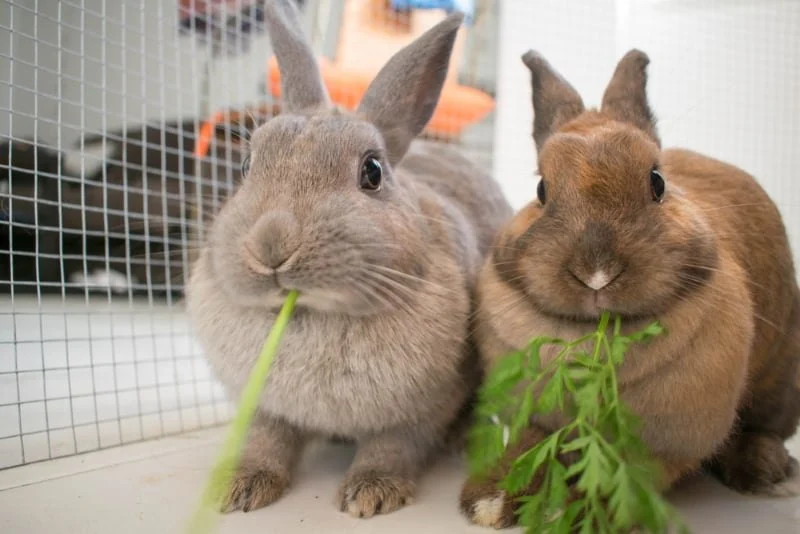
- Why Preventive Care is Crucial for Rabbits
- Basic Rabbit Health Care for UK Owners
- Common Rabbit Health Issues and How to Prevent Them
- Diet and Nutrition for Rabbits
- Vaccinations and Vet Check-ups for Rabbits
- Where to Buy Rabbit Care Products in the UK
- RegPets Recommendations for Rabbit Care
Why Preventive Care is Crucial for Rabbits
Rabbits are increasingly becoming popular pets in the UK, but like any other animal, they require proper care to maintain their health and well-being. Preventive care for rabbits is not just about treating illnesses when they arise; it’s about taking proactive steps to avoid health problems before they occur. Proper care can help ensure that your rabbit lives a long, happy, and healthy life.
By focusing on preventive measures, you reduce the risk of costly vet visits and ensure your rabbit stays active and comfortable. Early intervention can prevent minor health issues from becoming major ones, leading to a better quality of life for your pet and peace of mind for you as a pet owner.

Basic Rabbit Health Care for UK Owners
As a pet owner in the UK, there are a few essential aspects of rabbit care you should always keep in mind to prevent health issues:
- Regular Exercise: Rabbits are naturally active animals and need plenty of space to hop, run, and explore. Providing a safe, spacious environment for your rabbit to exercise is vital for their physical and mental health.
- Grooming: Regular grooming is necessary, especially for long-haired breeds. Brushing helps prevent mats, reduces shedding, and promotes skin health. Grooming also provides an opportunity to check for fleas, cuts, or sores.
- Proper Housing: Rabbits should be kept in a secure, well-ventilated environment. Whether you opt for an indoor or outdoor hutch, it should be large enough for them to stretch and hop around. Regular cleaning of their living space is crucial to avoid bacteria buildup and prevent infections.
Common Rabbit Health Issues and How to Prevent Them
Rabbits are prone to a number of health issues, some of which can be prevented with the right care. Here are a few common conditions to be aware of:
- Dental Problems: Rabbits’ teeth grow continuously, so they need to chew on hay and safe chew toys to wear them down. Dental issues, such as malocclusion, can cause pain, difficulty eating, and other complications. Ensure your rabbit has access to fresh hay and chewable toys to prevent dental problems.
- Gastrointestinal Stasis: This is a serious condition in rabbits where their digestive system slows down or stops. It can be caused by stress, lack of exercise, or an improper diet. Feeding your rabbit a balanced diet of hay, fresh vegetables, and water, along with ensuring plenty of exercise, helps keep their digestive system healthy.
- Obesity: Obesity is a growing concern among rabbits, especially those who do not get enough exercise or are overfed. Overweight rabbits are at risk for heart problems, arthritis, and reduced life expectancy. Monitor their diet and encourage daily exercise to keep them at a healthy weight.
Diet and Nutrition for Rabbits
A balanced diet is key to preventing health issues in rabbits. Here’s what your rabbit’s diet should consist of:
- Hay: Hay should make up the bulk of your rabbit’s diet. It’s high in fiber, which is crucial for healthy digestion and dental health. Provide unlimited access to fresh hay daily.
- Fresh Vegetables: Rabbits enjoy a variety of vegetables, including leafy greens like spinach, kale, and romaine lettuce. These provide essential vitamins and minerals, but avoid feeding too many high-sugar veggies like carrots.
- Pellets: Commercial rabbit pellets can be included in their diet but should not be the primary source of nutrition. Choose a high-fiber pellet that is specifically formulated for rabbits.
- Fresh Water: Always provide fresh, clean water to your rabbit. Water should be available at all times, and it’s important to check that their water bottle or bowl is clean regularly.
Vaccinations and Vet Check-ups for Rabbits
Rabbits require specific vaccinations and regular vet check-ups to stay healthy. In the UK, the most common vaccinations for rabbits include protection against Rabbit Hemorrhagic Disease (RHD) and Myxomatosis. Make sure your rabbit receives these vaccinations at the appropriate times as recommended by your vet.
Annual vet check-ups are also crucial to monitor your rabbit’s overall health and catch potential issues early. Regular check-ups help ensure that your rabbit is thriving and free from common health problems.

Where to Buy Rabbit Care Products in the UK
Finding high-quality products to care for your rabbit is essential. Look for reliable pet stores, both online and in-person, that offer everything from bedding and food to toys and grooming tools. Be sure to choose reputable brands that are known for offering products that meet the needs of rabbits.
For premium rabbit care products, head over to [RegPets], where we offer a range of top-rated food, bedding, grooming supplies, and health accessories to help you provide the best care for your furry friend.
RegPets Recommendations for Rabbit Care
If you’re looking for the best products for your rabbit, [RegPets] is your one-stop-shop for high-quality, affordable supplies. From nutritious hay and fresh vegetables to comfortable bedding and fun toys, we offer everything you need to keep your rabbit healthy and happy.
Explore our selection of rabbit care products and enjoy excellent customer service, fast shipping, and great prices. At RegPets, we’re dedicated to helping you give your rabbit the best possible care!


 Gone Barking5.0 (7 reviews)
 Peejay Pet Superstore Ltd4.0 (1173 reviews)
 Sheerbliss Cattery5.0 (19 reviews)
 Calcaria Veterinary Practice4.0 (90 reviews)
 Crookedstone Cattery0.0 (0 reviews)
 Apisto Aquatics5.0 (25 reviews)
 Top 10 Behaviour Training Every Reptile Owner in the UK Should Know
 Common Vaccination Myths Debunked by UK Vets
 How to Handle Emergency Situations with Your Pet | Pet Safety Tips
 Complete Guide to Nutrition Tips for Hamsters: What Your Pet Needs to Stay Healthy
 Dealing with Anxiety and Stress in Pets: Vet Advice for UK Pet Owners
 Top 10 Behaviour Training Every Guinea Pig Owner in the UK Should Know