

- Why Nutrition is Crucial for Hamsters
- Basics of a Healthy Hamster Diet
- Essential Foods for Hamsters
- Foods to Avoid for Hamsters
- Common Nutrition Mistakes to Avoid
- Real-Life Case Study: Improving Your Hamster’s Diet
Why Nutrition is Crucial for Hamsters
Hamsters are small, active creatures that require a balanced diet to stay healthy and thrive. Proper nutrition is essential for maintaining their energy levels, supporting their immune system, and promoting healthy growth. Whether you're a new hamster owner or an experienced one, understanding the importance of hamster nutrition will help you provide the best care for your pet.
Just like humans, hamsters need a variety of nutrients, including proteins, carbohydrates, fats, vitamins, and minerals. A poor diet can lead to health issues such as obesity, digestive problems, or even a weakened immune system. Therefore, it's important to learn how to feed them properly to ensure they live a long, healthy life.

Basics of a Healthy Hamster Diet
Creating a balanced diet for your hamster doesn't need to be complicated. A proper hamster diet should consist of the following basic elements:
- High-Quality Hamster Pellets: Pellets form the foundation of a hamster’s diet, as they provide a balanced mix of nutrients. Look for pellets made with whole grains, vegetables, and proteins.
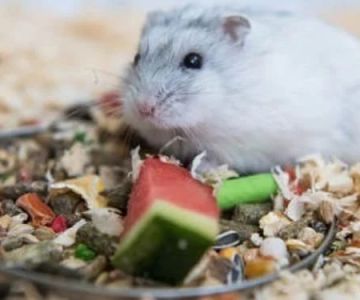
- Fresh Vegetables: Fresh vegetables are essential for providing vitamins and fiber. Hamsters enjoy leafy greens such as spinach, lettuce, and kale. You can also offer small amounts of carrots, cucumbers, and bell peppers.
- Protein: Hamsters are omnivores and require protein in their diet. Offer protein-rich foods such as boiled egg, chicken, or mealworms in small portions. Avoid too much protein, as it can cause kidney problems.
- Seeds and Nuts: Hamsters love seeds and nuts, but these should only be given in moderation. Seeds like sunflower seeds or pumpkin seeds can be a tasty treat, but they are high in fat.
- Fresh Water: Always provide fresh, clean water. Change it daily to prevent contamination and ensure hydration for your pet.
Essential Foods for Hamsters
In addition to the basics mentioned above, there are specific foods that should be included in a hamster’s diet for optimal health:
- Oats and Whole Grains: These are excellent sources of fiber and help with digestion. You can offer a small amount of plain oatmeal or whole grain bread.
- Fruits: Small pieces of fresh fruits like apples, pears, or berries can be a tasty treat. Be cautious with sugary fruits like bananas, as too much sugar can lead to obesity.
- Leafy Greens: Dark, leafy greens like dandelion greens or parsley are rich in vitamins and minerals. Make sure to rinse them thoroughly before serving.
- Hay: While hamsters don’t eat hay as a main food source, offering a small amount of hay like timothy hay can promote good dental health.
Foods to Avoid for Hamsters
Not all foods are suitable for hamsters. Some can cause serious health problems. Below are foods you should never give your hamster:
- Sweet and Sugary Foods: Hamsters cannot process large amounts of sugar, so avoid candies, chocolate, and sugary fruits like grapes or raisins.
- Processed or Junk Food: Do not feed your hamster human junk food such as chips, cookies, or any food that is high in salt or preservatives.
- Onions and Garlic: These can be toxic to hamsters, causing digestive issues or even severe health problems.
- Citrus Fruits: While fruits are important, avoid citrus fruits like oranges or lemons, as they can irritate a hamster’s stomach.
- Raw Potato or Sweet Potato: These can be harmful to hamsters and cause digestive distress.
Common Nutrition Mistakes to Avoid
Many hamster owners make mistakes when it comes to feeding their pets. Avoid these common errors to ensure your hamster stays healthy:
- Overfeeding Treats: While treats are fun for your hamster, they should only be offered occasionally. Overfeeding high-fat or sugary treats can lead to obesity.
- Feeding Only One Food Type: A varied diet is essential for your hamster’s health. Don’t rely solely on pellets or seeds. Mix in fresh vegetables, fruits, and protein.
- Ignoring Water Needs: Always provide fresh water. Dehydration can lead to serious health problems for your hamster.
- Inadequate Portion Sizes: Hamsters can easily become overweight if they are fed large portions of food. Measure out their food to avoid overfeeding.
Real-Life Case Study: Improving Your Hamster’s Diet
A hamster owner named Emily noticed that her hamster, Nibbles, was becoming lethargic and had developed an unkempt coat. After a visit to the vet, she was advised to adjust Nibbles’ diet to include more fresh vegetables and limit high-fat foods like sunflower seeds. Within a few weeks, Nibbles showed significant improvement, with more energy and a shinier coat. This case highlights how small changes to a hamster’s diet can lead to noticeable improvements in health and well-being.
For more information on hamster care and to purchase quality food and supplies, visit RegPets.





 Gone Barking5.0 (7 reviews)
 Peejay Pet Superstore Ltd4.0 (1173 reviews)
 Sheerbliss Cattery5.0 (19 reviews)
 Calcaria Veterinary Practice4.0 (90 reviews)
 Crookedstone Cattery0.0 (0 reviews)
 Apisto Aquatics5.0 (25 reviews)
 Top 10 Behaviour Training Every Reptile Owner in the UK Should Know
 Common Vaccination Myths Debunked by UK Vets
 How to Handle Emergency Situations with Your Pet | Pet Safety Tips
 Complete Guide to Nutrition Tips for Hamsters: What Your Pet Needs to Stay Healthy
 Dealing with Anxiety and Stress in Pets: Vet Advice for UK Pet Owners
 Top 10 Behaviour Training Every Guinea Pig Owner in the UK Should Know