
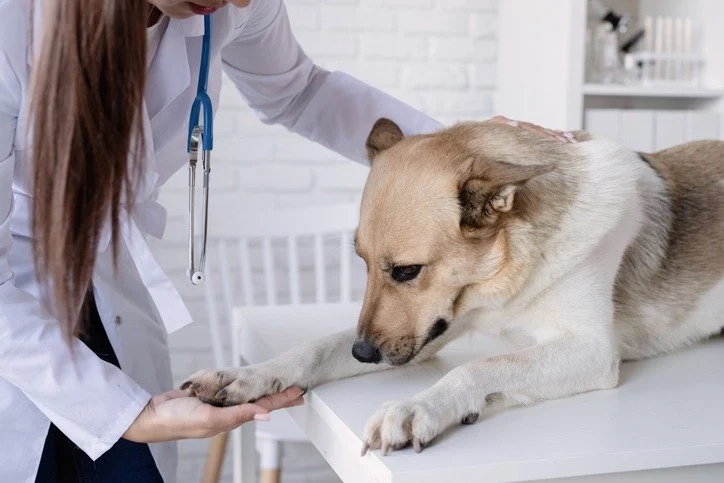
Dealing with Anxiety and Stress in Pets: Vet Advice
As pet owners, we often focus on keeping our pets healthy physically, but mental health is just as important. Anxiety and stress in pets are common yet often overlooked issues that can affect their well-being. From changes in environment to separation anxiety, pets can experience a variety of stressors that impact their behaviour and health. In this guide, we’ll explore expert advice on how to deal with anxiety and stress in pets and how to provide them with the comfort and care they need to thrive.
- Why Pets Experience Anxiety and Stress
- Signs of Anxiety and Stress in Pets
- How to Help Your Pet Manage Anxiety and Stress
- When to Seek Professional Help for Your Pet
- How Diet and Exercise Affect Your Pet's Mental Health
1. Why Pets Experience Anxiety and Stress
Just like humans, pets can feel anxious and stressed. This can be triggered by various factors, such as changes in routine, moving to a new home, the loss of a companion, or even loud noises like fireworks. Some pets may also suffer from separation anxiety when left alone for long periods. Understanding the root causes of anxiety and stress in pets is the first step in helping them manage it.

2. Signs of Anxiety and Stress in Pets
It’s important to recognize the signs of anxiety and stress in your pet, as they may not always be obvious. Common signs include:
- Excessive barking or meowing: This may happen when a pet is stressed or anxious, especially when they’re left alone.
- Destructive behaviour: Chewing furniture, digging, or scratching excessively are common signs of anxiety in pets.
- Changes in eating or sleeping habits: Stress can affect your pet’s appetite, causing them to eat more or less than usual, or disrupt their sleep patterns.
- Unexplained aggression: A stressed pet may become more irritable or aggressive, even towards familiar people or other pets.
3. How to Help Your Pet Manage Anxiety and Stress
Once you’ve identified that your pet is experiencing anxiety or stress, there are several things you can do to help them feel more comfortable:
- Provide a calm environment: Ensure your pet has a quiet, safe space where they can retreat to when feeling anxious.
- Maintain a routine: Keeping a consistent schedule for feeding, walking, and playtime helps reduce stress in pets, as they feel secure knowing what to expect.
- Use calming aids: Many pet owners find success with calming products like pheromone diffusers, anxiety wraps, or natural remedies. Consult your vet before using new products.
- Engage in regular exercise: Physical activity is a great way to help alleviate stress. Playtime or regular walks can significantly reduce anxiety levels in pets.
4. When to Seek Professional Help for Your Pet
If your pet’s anxiety or stress seems to be getting worse, or if they’re showing signs of serious behavioural changes, it’s time to consult a veterinarian. A vet can assess the situation, rule out any medical causes, and suggest treatment options. In some cases, they may recommend therapy or medications to help manage severe anxiety.

Jeremy Bodian Surgical Service
LacebyNorth East LincolnshireEngland
Chapel, Laceby, Grimsby DN37 7DX, UK
5. How Diet and Exercise Affect Your Pet's Mental Health
Just like physical health, mental health in pets is strongly influenced by diet and exercise. A well-balanced diet rich in nutrients supports brain function and overall well-being. Additionally, regular physical activity not only helps with weight management but also releases endorphins, which are natural mood boosters. Make sure your pet is getting the right nutrition and exercise tailored to their needs to maintain both physical and mental health.
Conclusion
Managing anxiety and stress in pets requires understanding, patience, and care. By providing a calm environment, maintaining a consistent routine, and seeking professional help when necessary, you can help your pet feel more at ease. Remember, a healthy pet is a happy pet, and mental health is just as important as physical health. For more tips, advice, or to explore products that can help with your pet’s well-being, visit RegPets.




 Gone Barking5.0 (7 reviews)
 Peejay Pet Superstore Ltd4.0 (1173 reviews)
 Sheerbliss Cattery5.0 (19 reviews)
 Calcaria Veterinary Practice4.0 (90 reviews)
 Crookedstone Cattery0.0 (0 reviews)
 Apisto Aquatics5.0 (25 reviews)
 Top 10 Behaviour Training Every Reptile Owner in the UK Should Know
 Common Vaccination Myths Debunked by UK Vets
 How to Handle Emergency Situations with Your Pet | Pet Safety Tips
 Complete Guide to Nutrition Tips for Hamsters: What Your Pet Needs to Stay Healthy
 Dealing with Anxiety and Stress in Pets: Vet Advice for UK Pet Owners
 Top 10 Behaviour Training Every Guinea Pig Owner in the UK Should Know