
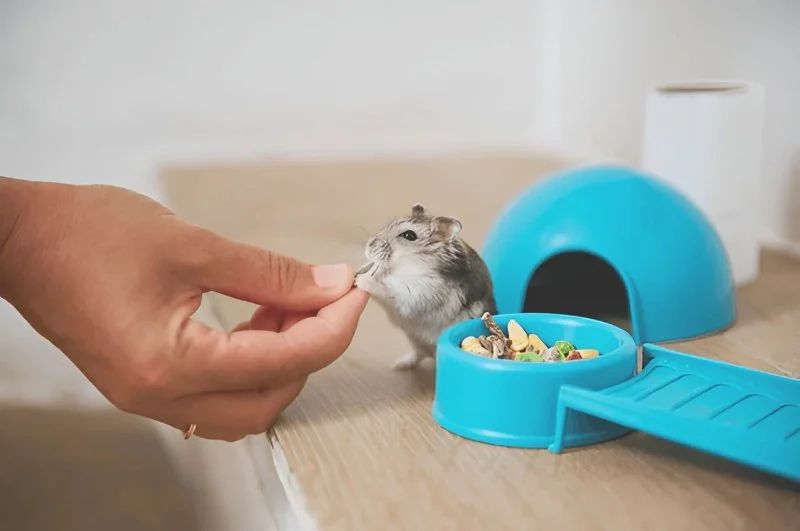
Why Seasonal Health Matters for Hamsters
As small, sensitive creatures, hamsters are highly affected by seasonal changes. From temperature fluctuations to changes in light exposure, these shifts can impact your hamster’s health and well-being. Being aware of how the seasons affect your pet allows you to make the necessary adjustments to keep them comfortable and healthy. In this article, we’ll explore the best ways to care for your hamster during seasonal transitions, from temperature control to diet changes, ensuring your pet thrives all year round.

Temperature Control for Hamsters in Different Seasons
Hamsters are very sensitive to extreme temperatures, making it essential to maintain a consistent, comfortable environment for them throughout the year. During the colder months, hamsters may enter a hibernation-like state known as torpor if they become too cold. In warmer months, overheating can become a serious concern. Here's how you can control the temperature for your hamster:

1. Maintain a Stable Room Temperature
Hamsters should ideally live in a room with a temperature between 18°C and 24°C (65°F to 75°F). Avoid placing the cage near windows or vents where temperature fluctuations are common. Ensure that your hamster’s home is kept away from drafts and direct sunlight.
2. Use a Heater or Fan When Necessary
In colder seasons, you may need to use a small heater to keep the room warm. In the summer, if temperatures soar, consider using a fan or air conditioner to keep the environment cool and well-ventilated. Always make sure your hamster’s cage is not too close to a heat source or fan, as it can cause stress.
Hamster Nutrition During Seasonal Changes
Proper nutrition is crucial for hamsters, especially during seasonal transitions. Changes in temperature and activity levels can impact their dietary needs. Here’s what you can do to ensure your hamster stays healthy:
1. Adjust Their Diet Based on Activity Levels
During colder months, hamsters tend to become less active, so you may need to adjust their food portions. Ensure they have enough food to keep their energy levels stable, but avoid overfeeding, as inactivity can lead to obesity. In warmer months, when they are more active, increase their food portions slightly to support their higher energy needs.
2. Offer Fresh, Seasonal Fruits and Vegetables
Seasonal fruits and vegetables can be a great addition to your hamster's diet. During the summer, fresh cucumbers, carrots, and leafy greens are ideal. In winter, root vegetables like sweet potatoes are an excellent choice, as they provide additional nutrients. Be sure to avoid feeding them fruits or vegetables that are high in sugar, as this can lead to weight gain or digestive issues.
Ensuring Proper Exercise for Your Hamster
Exercise is key to maintaining your hamster’s physical and mental health. However, seasonal changes can sometimes affect your pet’s willingness to move around. Here are some tips to make sure your hamster stays active throughout the year:
1. Provide a Wheel and Toys Year-Round
Ensure your hamster always has access to a running wheel. This simple addition can help keep your hamster active, especially during colder months when they may be less inclined to roam around their cage. Rotate toys regularly to keep them engaged and encourage natural behaviors like climbing and burrowing.
2. Set Up Safe Exploration Time
While you can’t take your hamster on walks like a dog, setting up safe spaces in your home where your hamster can explore is a great way to stimulate them. Use playpens or hamster-safe areas to allow your pet to move around freely. During warmer months, try to increase outdoor playtime, but always supervise them closely.
Real-Life Tips: Hamster Owners Share Their Experiences
Here’s a real-life story from Claire, a UK-based hamster owner, who has dealt with seasonal health changes:
Claire’s Hamster Care Journey
“My hamster, Nibbles, used to go into torpor every winter, which worried me a lot. After learning more about hamster care, I made sure to place his cage away from cold drafts and set the thermostat in my room to a steady temperature. I also adjusted his food to keep his energy levels up during the winter months, and he’s been so much more active now. During summer, I give him more fruits and vegetables like cucumber, which he loves. I also added a hamster wheel, and it’s great to see him running around happily!”
Final Thoughts on Seasonal Health for Hamsters
Ensuring your hamster's health through seasonal changes involves a combination of temperature control, proper nutrition, and providing ample exercise opportunities. By paying attention to their specific needs during different seasons, you can help your hamster live a longer, healthier life. If you’re looking for more hamster care advice or products, check out【RegPets】for helpful resources, recommendations, and supplies.






 Moore Vets5.0 (14 reviews)
 The Pet Superstore4.0 (221 reviews)
 Pets at the Howlin4.0 (31 reviews)
 Lincvet4.0 (182 reviews)
 Oakhill Vets - Lytham Road Branch4.0 (241 reviews)
 Rase Veterinary Centre - Boston4.0 (43 reviews)
 Complete Guide to Dental Care for Kittens
 Top 10 Adoption Guide Every Exotic Pets Owner in the UK Should Know
 How to Manage Your Pet’s Weight and Prevent Obesity
 How to Improve Rabbits Nutrition Tips at Home
 Expert Vet Advice on First Aid Tips for Cats: Essential Care When Your Cat Needs Help
 UK Pet Owner’s Guide to Weight Management for Cats