
- Importance of Proper Nutrition for Rabbits
- Key Ingredients for a Balanced Rabbit Diet
- How to Improve Your Rabbit's Nutrition at Home
- Common Nutrition Mistakes to Avoid
- Case Study: Improving Rabbit Nutrition for Better Health
Importance of Proper Nutrition for Rabbits
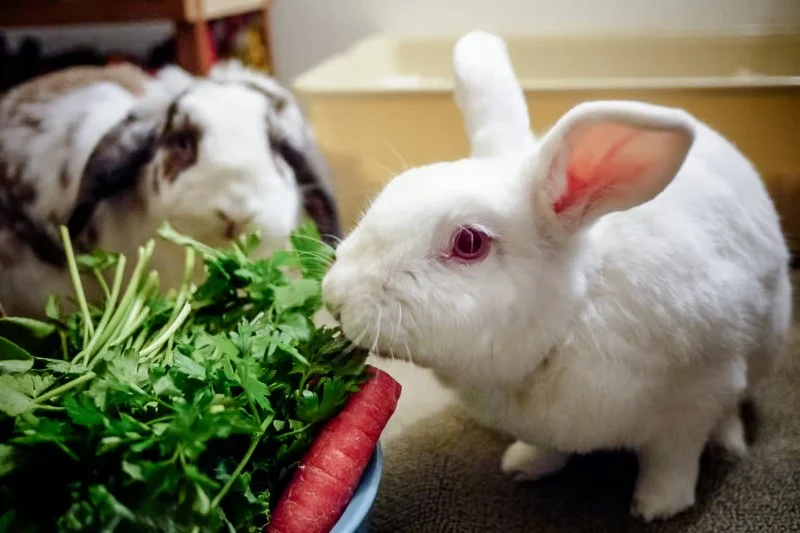
Rabbits are herbivores and require a well-balanced diet to maintain good health and quality of life. Unlike other pets, rabbits' digestive systems are highly sensitive, and poor nutrition can lead to serious health problems such as obesity, gastrointestinal stasis, and dental issues. As responsible pet owners, it's essential to ensure our rabbits receive the right nutrition to keep them active, healthy, and happy.
In this article, we’ll explore some practical tips on how to improve your rabbit’s nutrition at home, as well as the foods to include and avoid in their diet.

All Creatures Veterinary Centre
Radcliffe on TrentNottinghamshireEngland
11 Bingham Rd, Radcliffe on Trent, Nottingham NG12 2FY, UK
Key Ingredients for a Balanced Rabbit Diet
A rabbit’s diet should primarily consist of hay, fresh vegetables, and a small portion of high-quality pellets. Here's a breakdown of the essential components to include:

1. Hay: The Foundation of a Healthy Rabbit Diet
Hay is the most important component of a rabbit's diet, as it provides the necessary fiber to promote healthy digestion and prevent obesity. There are various types of hay, but the best option is typically Timothy hay, which is high in fiber and low in calcium. Offering unlimited hay to your rabbit will help keep their digestive system functioning properly and their teeth naturally worn down.
2. Fresh Vegetables: Nutrient-Rich Treats
Fresh leafy greens such as kale, parsley, cilantro, and romaine lettuce are excellent sources of vitamins and minerals for rabbits. Vegetables should be given daily, but it's essential to avoid starchy vegetables like potatoes and limit high-sugar options such as carrots to prevent digestive upset and obesity.
3. High-Quality Pellets: In Moderation
While hay and vegetables should make up the bulk of your rabbit’s diet, high-quality pellets are a good supplement. Look for pellets that are specifically designed for rabbits and do not contain seeds, dried fruits, or added sugars. Pellets should be given in moderation, typically around 1/4 cup per 2-3 pounds of body weight per day.
4. Fresh Water: Always Available
Rabbits should always have access to fresh, clean water. Provide water in a heavy ceramic bowl or a water bottle that is securely attached to their cage. Water is crucial to prevent dehydration and support overall health.
How to Improve Your Rabbit's Nutrition at Home
Now that we’ve covered the key components of a rabbit's diet, here are some practical tips on how to improve your rabbit’s nutrition at home:
1. Introduce Variety in Vegetables
While it's important to stick to rabbit-safe vegetables, offering a variety of fresh greens will ensure they get a range of nutrients. Rotate different leafy greens and other vegetables throughout the week to keep things exciting and provide a broader spectrum of vitamins and minerals.
2. Provide Unlimited Access to Hay
As mentioned earlier, hay should make up about 80-85% of your rabbit's diet. Ensure they always have access to fresh hay, and replace it regularly. Having unlimited access to hay also encourages natural foraging behavior, which is important for your rabbit's mental well-being.
3. Avoid Processed Foods
Avoid offering your rabbit processed or sugary foods, such as fruit treats, sugary pellets, or processed snacks. These can cause digestive problems and contribute to obesity. Stick to natural, rabbit-friendly foods to ensure their long-term health.
4. Monitor Their Weight
Regularly weigh your rabbit to ensure they are maintaining a healthy weight. If you notice any weight loss or gain, adjust their diet accordingly. Obesity is a common problem among pet rabbits, so it's important to monitor their food intake and avoid overfeeding.
Common Nutrition Mistakes to Avoid
When caring for rabbits, it’s important to be aware of common nutrition mistakes that can negatively affect their health:
1. Overfeeding Pellets
While pellets are a useful supplement, overfeeding them can lead to obesity and other health issues. Ensure that pellets are only a small portion of your rabbit’s overall diet, and avoid offering them free access to pellets.
2. Feeding Too Many Carrots
Carrots are high in sugar and should only be fed in moderation. While they are safe for rabbits, feeding them too many carrots can upset their digestive system and lead to obesity.
3. Inadequate Water Supply
Dehydration is a serious issue for rabbits, and they should always have access to fresh, clean water. Check their water bottle or bowl daily to ensure it is clean and filled.
Case Study: Improving Rabbit Nutrition for Better Health
Take the case of Sarah, a rabbit owner from Manchester, who noticed her rabbit, Thumper, had been losing weight and seemed lethargic. After consulting a vet, she learned that her rabbit's diet was not balanced—Thumper was getting too many pellets and not enough hay or vegetables. Sarah made immediate changes to Thumper’s diet by offering unlimited hay, rotating fresh vegetables, and limiting pellets. Within weeks, Thumper regained weight, became more active, and showed signs of improved health. This simple dietary adjustment helped Sarah improve Thumper’s nutrition and overall well-being.
If you want to improve your rabbit’s nutrition and provide them with the best possible diet, consider visiting RegPets, where you can find a wide range of rabbit food products and accessories tailored to your pet’s needs.




 Vets4Pets - Harrogate4.0 (274 reviews)
 Two Rivers Cattery5.0 (18 reviews)
 West Mount Vets - West Vale4.0 (168 reviews)
 Pets at Home Sunderland4.0 (939 reviews)
 Pets at Home Washington4.0 (478 reviews)
 Thrive Animal Therapy5.0 (4 reviews)
 Vet-Approved Preventive Care for Exotic Pets: Essential Tips for Pet Owners
 UK Pet Owner’s Guide to Health Checkups for Puppies
 Managing Pet Anxiety and Stress: Expert Vet Advice
 Expert Vet Advice on Health Checkups for Fish: Keep Your Aquarium Healthy | RegPets
 Expert Vet Advice on First Aid Tips for Cats: Essential Care When Your Cat Needs Help
 Top 10 Behaviour Training Every Guinea Pigs Owner in the UK Should Know