
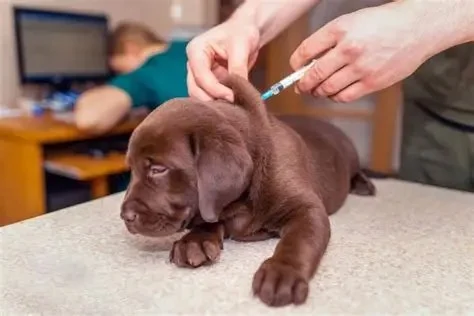
Vet-Approved Vaccination Guide for Puppies
As a puppy owner, ensuring your new furry friend is protected from preventable diseases is essential. Vaccinations are a critical part of your puppy's overall health and well-being. This guide will provide expert, vet-approved advice on puppy vaccinations, helping you understand what vaccines are necessary and when to schedule them to give your puppy the best start in life.

Jollyes Pet Clinic - Doncaster
Wheatley Retail Park, Wheatley Hall Rd, Doncaster DN2 4PE, UK
Why Vaccinations Are Important for Puppies
Vaccinations are crucial for puppies because they protect them from serious, often life-threatening diseases. Puppies are vulnerable to infections due to their developing immune systems, and vaccinations help prevent these infections by building immunity. Here are some reasons why vaccines are so important:
- Prevention of disease: Vaccines protect against deadly diseases like parvovirus, distemper, and rabies.
- Protection for other animals: Vaccinated puppies help protect the broader community of pets from the spread of diseases.
- Legal requirements: In some regions, certain vaccinations, such as rabies, are legally required for puppies to prevent outbreaks.
Puppy Vaccination Schedule
Puppies need a series of vaccinations to ensure long-term immunity. The first vaccinations are typically given when puppies are around 6-8 weeks old. A vaccination schedule generally follows this timeline:
- 6-8 weeks: First set of vaccinations (including parvovirus, distemper, and adenovirus).
- 10-12 weeks: Second set of vaccinations to boost immunity (including leptospirosis, parvovirus, and distemper).
- 14-16 weeks: Final set of vaccinations, followed by rabies vaccination if required.
- 12-16 months: Booster shots for continued protection against diseases like parvovirus and distemper.
It’s essential to stick to this schedule, as missing doses or delaying vaccinations can leave your puppy vulnerable to serious infections.

Oakhill Veterinary Group, Ambleside
Westmorland and FurnessEngland
1 Church St, Ambleside LA22 0BU, UK
Common Vaccines Your Puppy Needs
The specific vaccines your puppy needs may depend on your location, lifestyle, and the risk of exposure to various diseases. However, there are a few core vaccines that every puppy should receive:
- DHPP (Distemper, Hepatitis, Parvovirus, Parainfluenza): A combination vaccine that protects against four highly contagious and potentially fatal diseases.
- Rabies: Protects against the rabies virus, which is fatal and can be transmitted to humans.
- Leptospirosis: A bacterial infection that can lead to liver and kidney failure, commonly spread through contaminated water or soil.
- Bordetella (Kennel Cough): A respiratory infection that is highly contagious, especially in places like boarding kennels.
Aftercare and Monitoring Your Puppy’s Health
After your puppy receives vaccinations, it’s important to monitor them for any side effects or reactions. Common side effects may include mild swelling at the injection site, fever, or tiredness. These side effects typically resolve within 1-2 days.
Keep an eye out for more serious reactions, such as:
- Severe swelling at the injection site.
- Vomit or diarrhea that lasts longer than a day.
- Excessive lethargy or difficulty breathing.
If you notice any of these symptoms, contact your vet immediately. It’s always better to err on the side of caution when it comes to your puppy’s health.
Real-Life Case Study: Vaccine Success Story
Consider the story of a puppy named Max. Max, a Border Collie, was adopted from a rescue centre at 8 weeks old. His new owners followed the vet-approved vaccination schedule, ensuring Max received his first set of vaccines at the right time. At 10 weeks, Max was exposed to a puppy friend who had not been vaccinated and came down with parvovirus. Thanks to Max's timely vaccinations, he stayed healthy and was able to continue playing without any signs of illness, while his unvaccinated friend sadly became very ill. This story highlights the life-saving importance of following a vaccination schedule and the protection it provides against serious diseases.
Top Tips for Puppy Owners: Ensuring a Healthy Start
Here are some additional tips to ensure your puppy stays healthy and protected:
- Stick to the vaccination schedule: Missing or delaying vaccines can leave your puppy vulnerable to serious diseases.
- Consult with your vet: Discuss any concerns with your vet and ensure that your puppy receives all necessary vaccines based on their lifestyle and environment.
- Socialize your puppy safely: Allow your puppy to interact with other dogs, but only after they’ve completed their vaccination series to avoid exposure to diseases.



 Pawlina's Pet Shop5.0 (18 reviews)
 Farm Veterinary Solutions4.0 (18 reviews)
 Kelcliffe Cattery4.0 (24 reviews)
 Pets at Home Peterborough4.0 (1719 reviews)
 Bradgate View Luxury Cat Hotel4.0 (38 reviews)
 Online Falconry Shop0.0 (0 reviews)
 How to Handle Emergency Situations with Your Pet in the UK
 Seasonal Health Tips for Keeping Your Kittens Healthy in the UK
 Complete Guide to Preventive Care for Cats: Ensuring a Healthy Life for Your Feline Friend
 Best Practices for Allergy Care in Senior Pets
 The Importance of Exercise and Fitness for Senior Pets – UK Edition
 How to Improve Senior Pets Seasonal Health Tips at Home