
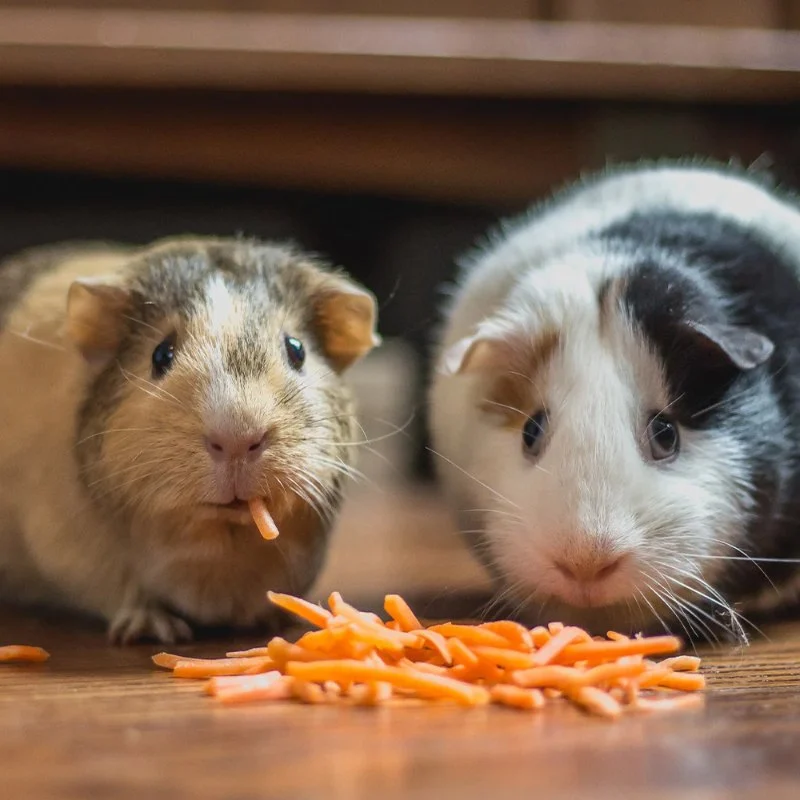
- Why Adopt a Guinea Pig?
- The Guinea Pig Adoption Process
- Choosing the Right Guinea Pig for You
- Preparing Your Home for Your New Guinea Pig
- Post-Adoption Care and Bonding with Your Guinea Pig
- Common Mistakes to Avoid When Adopting a Guinea Pig
- Our Recommendations for Guinea Pig Adoption
Why Adopt a Guinea Pig?
Guinea pigs are one of the most popular small pets, known for their gentle nature and easy care requirements. Whether you’re a first-time pet owner or an experienced animal lover, guinea pigs make wonderful companions. Their social behavior, playful personalities, and long lifespan (up to 8 years) make them a rewarding choice for a pet.
Adopting a guinea pig is a fulfilling experience that not only gives the animal a loving home but also offers you the opportunity to enjoy the companionship of a friendly, low-maintenance pet. In this guide, we’ll walk you through the best practices for adopting a guinea pig, ensuring a smooth transition for both you and your new pet.

The Guinea Pig Adoption Process
The adoption process for guinea pigs is relatively straightforward, but it’s important to ensure you’re well-prepared for the responsibilities that come with caring for one. Here's what to expect during the adoption process:

1. Research Before Adopting
Before adopting a guinea pig, take some time to research their needs and care requirements. Understanding their dietary needs, space, and social behavior will help you provide a happy and healthy environment for your new pet. It’s also important to know whether you want to adopt one guinea pig or if you prefer to adopt a pair, as guinea pigs are highly social animals and thrive with a companion.
2. Choose an Adoption Center
There are many animal shelters and rescue organizations that specialize in guinea pig adoption. Look for reputable adoption centers in your area that prioritize the well-being of the animals. Make sure the center conducts proper health checks and provides necessary vaccinations before adoption.
3. Meet Your Potential Pet
Once you’ve found a guinea pig adoption center, visit the facility to meet the animals. Spend some time interacting with the guinea pigs to get a sense of their temperament. It’s essential to choose a guinea pig that matches your lifestyle and personality, as each pet has its own unique characteristics.
Choosing the Right Guinea Pig for You
When selecting a guinea pig, consider the following factors to ensure you choose the right pet for your household:
1. Age and Health
Guinea pigs can live up to 8 years, so it’s important to choose a pet that fits into your long-term plans. Most guinea pigs are available for adoption when they are young, but older guinea pigs can also make wonderful companions. Be sure to inquire about the guinea pig's health history, including any medical treatments or issues.
2. Personality
Guinea pigs have distinct personalities. Some are more outgoing and social, while others may be more reserved. Spend time interacting with different guinea pigs to see which one is a good fit for your lifestyle. If you’re looking for a more interactive pet, choose one that enjoys being handled and cuddled.
3. Gender and Pairing
Consider whether you want to adopt a single guinea pig or a pair. Guinea pigs are social creatures, and they thrive in pairs or small groups. If you adopt a pair, make sure they are compatible. It’s generally recommended to adopt guinea pigs of the same sex to avoid unwanted breeding unless you are prepared for proper care of litters.
Preparing Your Home for Your New Guinea Pig
Once you’ve chosen your guinea pig, it’s time to prepare your home. Here’s how to get ready:
1. Set Up a Guinea Pig Cage
Guinea pigs need a spacious and secure cage where they can feel comfortable and safe. The cage should be large enough for them to move around freely, with enough space for a food dish, water bottle, and hiding spots. Avoid cages with wire floors, as these can cause injury to guinea pigs’ delicate feet.
2. Create a Comfortable Environment
In addition to the cage, guinea pigs need a comfortable bedding material, such as soft hay or fleece. They also require a constant supply of fresh hay and water, along with a balanced diet of guinea pig pellets and fresh vegetables. Ensure that the area where you place the cage is quiet, free of drafts, and away from direct sunlight.
3. Prepare for Social Interaction
Guinea pigs are social animals that need daily interaction with their owners. Set aside time each day to engage with your guinea pig through gentle handling, play, and exploration outside the cage. This will help build a strong bond and ensure your guinea pig is happy and well-adjusted.
Post-Adoption Care and Bonding with Your Guinea Pig
After bringing your guinea pig home, it’s important to continue providing proper care and attention:
1. Veterinary Care
Schedule a visit to the vet within the first week of bringing your guinea pig home for a health check-up. Regular vet visits are essential to monitor your guinea pig's health and catch any potential issues early. Guinea pigs should receive vaccinations and be checked for common health concerns like dental problems or respiratory infections.
2. Bonding Time
Building trust and a bond with your guinea pig takes time. Handle your guinea pig gently and allow them to explore their new home at their own pace. Speak softly and use treats to create positive associations with you. The more time you spend together, the stronger your bond will become.
3. Enrichment and Mental Stimulation
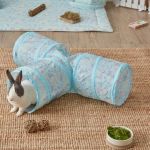
Guinea pigs are intelligent and curious creatures that enjoy mental stimulation. Provide toys, tunnels, and climbing structures to keep your guinea pig entertained. A well-stimulated guinea pig is a happy guinea pig!
Common Mistakes to Avoid When Adopting a Guinea Pig
While adopting a guinea pig is a rewarding experience, there are some common mistakes new pet owners make. Here’s how to avoid them:
1. Underestimating the Commitment
Guinea pigs can live up to 8 years, so be sure you’re ready for the long-term commitment. This includes daily care, regular health checks, and attention. Make sure you have the time and resources to care for your guinea pig before adopting.
2. Improper Diet
Feeding your guinea pig the wrong food can lead to health issues. Avoid feeding them foods that are high in sugar or low in fiber. Ensure they have a diet rich in fresh hay, vegetables, and guinea pig pellets specifically formulated for their dietary needs.
3. Not Providing Enough Space
Guinea pigs need ample space to roam and explore. A small cage can lead to stress and health problems. Make sure their home is large enough for them to move around comfortably and have access to enrichment activities.
Our Recommendations for Guinea Pig Adoption
Adopting a guinea pig is a wonderful experience, but it’s important to ensure you’re prepared. Our top recommendations for a successful adoption include choosing a reputable adoption center, taking time to understand your guinea pig’s needs, and committing to long-term care and bonding. For expert advice on guinea pig care and products, visit RegPets for the best resources and services.

 Priory Veterinary Practice (Bourne)5.0 (10 reviews)
 DoggieDelights0.0 (0 reviews)
 Companions Petcare5.0 (2 reviews)
 French Bulldog puppies for sale5.0 (1 reviews)
 Croston Rustics Ltd4.0 (8 reviews)
 Pets at Home Cleethorpes4.0 (395 reviews)
 Best Practices for Spaying and Neutering in Cats | RegPets
 Vet-Approved Common Illnesses for Senior Pets
 Best Practices for Health Checkups in Reptiles: Essential Tips for Pet Owners
 How to Choose the Right First Aid Tips for Fish in the UK
 How to Improve Rabbits Exercise and Fitness at Home
 What to Expect During Your Pet’s First Vet Visit in the UK – Full Guide for New Owners