
- 1- Introduction to Kitten Dental Care
- 2- Why Dental Care is Important for Kittens
- 3- When to Start Dental Care for Kittens
- 4- How to Clean Your Kitten’s Teeth
- 5- Common Dental Issues in Kittens
- 6- Tips for Maintaining Your Kitten’s Oral Health
- 7- Conclusion: Keeping Your Kitten’s Teeth Healthy
1- Introduction to Kitten Dental Care
As a kitten owner, maintaining good dental care from an early age is crucial for your pet’s overall health. Kittens, like humans, can develop dental issues that, if left untreated, can cause pain, discomfort, and long-term health problems. In this guide, we will cover everything you need to know about kitten dental care, from understanding the importance of oral hygiene to practical tips on cleaning your kitten's teeth.

Kraken Corals Limited
Clayton-le-MoorsLancashireEngland
Unit 3, Cunliffe Court, Clayton-le-Moors, Accrington BB5 5JG, UK
2- Why Dental Care is Important for Kittens
Dental care for kittens is essential for several reasons. Just like humans, cats can develop plaque, tartar, and gum disease, which can affect their health beyond their mouths. Poor oral hygiene can lead to bad breath, tooth decay, and even more severe issues like periodontal disease. By starting a dental care routine early, you can help prevent these problems and ensure that your kitten grows into a healthy, happy adult cat with strong teeth and gums.

3- When to Start Dental Care for Kittens
It's never too early to start thinking about your kitten's oral health. Most kittens begin teething at around 3 to 4 months old, and this is the ideal time to introduce them to oral care routines. While you don’t need to brush their teeth immediately, you can begin by gently getting them used to having their mouths touched. By 6 months, it’s time to start brushing your kitten's teeth regularly to establish good habits that will last a lifetime.
4- How to Clean Your Kitten’s Teeth
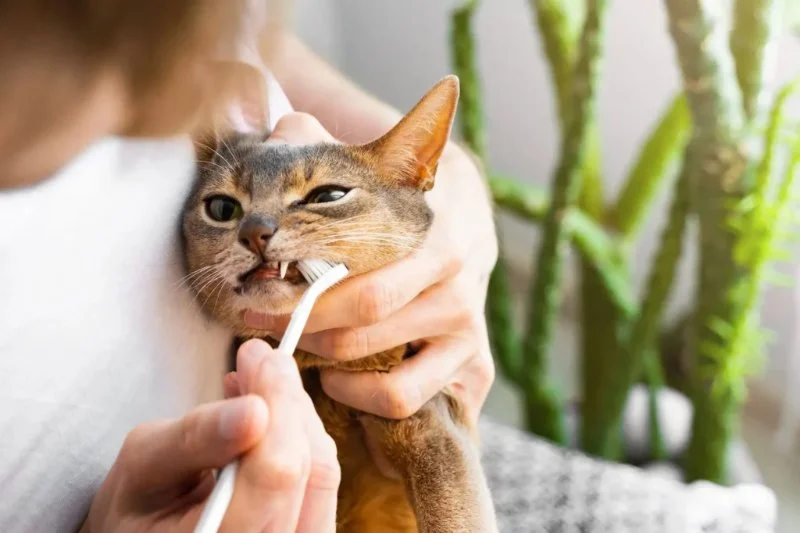
Brushing your kitten’s teeth is the best way to maintain their dental health. Here's a step-by-step guide to help you get started:
- Choose the right toothbrush: Use a toothbrush specifically designed for cats, with soft bristles. There are also finger brushes available that may be more comfortable for both you and your kitten.
- Use kitten-friendly toothpaste: Never use human toothpaste, as it can be toxic to cats. Instead, use a special toothpaste designed for cats, which comes in flavors like poultry or fish that your kitten will enjoy.
- Start slow: At first, just gently rub your kitten’s gums with your finger or a soft cloth to get them used to having their mouth touched.
- Brush in short sessions: Once your kitten is comfortable, begin brushing their teeth gently for 30 seconds to 1 minute per session. Gradually increase the brushing time as your kitten gets used to it.
5- Common Dental Issues in Kittens
While kittens’ teeth are naturally sharp and strong, there are some common dental issues to be aware of:
- Teething: As kittens begin to lose their baby teeth and grow their adult teeth, they may experience discomfort and gum inflammation. You may notice them chewing on objects more than usual.
- Plaque and tartar buildup: Just like humans, kittens can develop plaque on their teeth. If left untreated, plaque can turn into tartar, which is harder to remove and can lead to gum disease.
- Gingivitis: Gingivitis, or inflammation of the gums, is a common condition in kittens. If left untreated, it can progress to more serious periodontal disease.
6- Tips for Maintaining Your Kitten’s Oral Health
Maintaining your kitten's oral health doesn't just involve brushing their teeth. Here are some additional tips to help keep their teeth and gums healthy:
- Provide dental treats and toys: Dental treats and chew toys designed for kittens can help reduce plaque buildup and massage their gums, making teeth cleaning easier.
- Regular vet check-ups: Regular vet visits are important for checking your kitten’s oral health. Your vet will be able to spot any potential issues early and recommend treatments if necessary.
- Healthy diet: Feeding your kitten a balanced diet can help promote good dental health. Avoid sugary treats and stick to high-quality kitten food.
- Water additives: Some water additives are available that help to reduce plaque and tartar buildup. Talk to your vet to see if this is a suitable option for your kitten.
7- Conclusion: Keeping Your Kitten’s Teeth Healthy
Dental care is an essential part of your kitten’s overall health. Starting early with regular brushing, proper nutrition, and dental toys will help ensure that your kitten has healthy teeth and gums throughout their life. Remember, just like any other aspect of pet care, consistency is key. By following the steps outlined in this guide, you’ll be well on your way to keeping your kitten’s smile shining bright. For all your kitten care needs, including dental products, visit RegPets for the best selection of pet supplies.






 Ashfield Veterinary Surgery - Durham4.0 (362 reviews)
 City Mobile Vet5.0 (22 reviews)
 Hird and Partners - Shelf4.0 (117 reviews)
 Church Walk Veterinary Centre - Ulverston4.0 (138 reviews)
 Jalia Designs Pet Boutique5.0 (10 reviews)
 Your Family Vets5.0 (16 reviews)
 How to Handle Emergency Situations with Your Pet
 How to Spot Signs of Arthritis in Older Pets in the UK
 Pet Dental Care: Why Regular Vet Visits Matter in the UK
 Complete Guide to First Aid Tips for Dogs
 Vet-Approved Behaviour Training for Senior Pets: A Guide to a Happier, Healthier Pet
 Vet-Approved Nutrition Tips for Rabbits: Ensure Your Bunny’s Health