
- 1. Why Dental Care is Important for Cats
- 2. Common Dental Issues in Cats
- 3. Essential Dental Care Tips for Your Cat
- 4. Best Dental Products for Cats
- 5. When to Seek Professional Dental Care
1. Why Dental Care is Important for Cats
Dental care for cats is often overlooked, but it’s just as important as regular vet visits and good nutrition. Cats, like humans, can suffer from various oral health issues such as gum disease, tooth decay, and infections. Maintaining proper dental hygiene not only helps your cat avoid discomfort but also prevents more serious health problems.
Did you know that untreated dental issues can lead to heart and kidney disease in cats? According to vets, poor oral hygiene is directly linked to systemic health problems. By taking proactive steps to care for your cat’s teeth, you’re ensuring a better quality of life and potentially extending their lifespan.

2. Common Dental Issues in Cats
There are several dental problems that cats commonly face. Here are some of the most frequent ones:
1. Gingivitis: Gingivitis is the inflammation of the gums and is the earliest stage of gum disease. It’s typically caused by plaque buildup.
2. Periodontal Disease: This is a more advanced form of gum disease that affects the tissues around the teeth, potentially causing tooth loss. It's common in older cats.
3. Tooth Resorption: Tooth resorption occurs when the tooth structure starts breaking down, often leading to severe pain and the need for extraction.
4. Bad Breath (Halitosis): Bad breath can be a sign of poor dental hygiene, and it’s often the result of plaque buildup or more serious dental disease.
Recognising these issues early can help prevent them from worsening and improve your cat's overall well-being.

Sunnyside Cattery
Wayside Cottage/Station Rd East, Wenvoe, Cardiff CF5 6AH, UK
3. Essential Dental Care Tips for Your Cat
Here are some simple yet effective dental care tips that UK pet owners can follow to keep their cats' teeth clean and healthy:
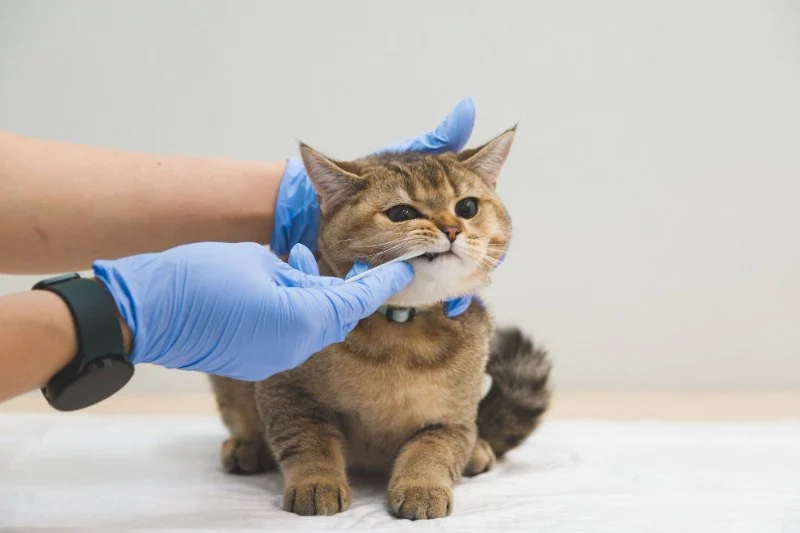
1. Regular Brushing: Just like humans, brushing your cat’s teeth is one of the most effective ways to prevent dental problems. Start slowly by using a finger brush or a special cat toothbrush, along with a vet-approved toothpaste. Make it a habit to brush their teeth at least two to three times a week.
2. Offer Dental Treats and Toys: Dental treats are a fun and easy way to support your cat's oral health. These treats are designed to reduce plaque and tartar buildup. Additionally, interactive dental toys help massage the gums and keep your cat entertained.
3. Monitor Their Diet: Feeding your cat high-quality food that promotes dental health is essential. Look for cat food that specifically targets dental hygiene by helping reduce plaque buildup, or consider adding dental supplements to their diet.
4. Regular Vet Check-Ups: Schedule regular check-ups with your vet to ensure that your cat’s oral health is on track. Professional cleanings and early detection of any dental problems can prevent more serious issues down the line.
4. Best Dental Products for Cats
Using the right dental products can make all the difference in your cat’s oral health. Here are a few recommended products that can help with routine dental care:
1. Cat Toothpaste: Always use toothpaste that is formulated specifically for cats. Human toothpaste contains ingredients that can be harmful to cats, so it’s important to use a pet-safe alternative.
2. Cat Toothbrush: Invest in a toothbrush designed for cats. These are typically smaller and have softer bristles to gently clean your cat’s teeth.
3. Dental Treats: Many cat dental treats are specially formulated to help clean teeth and reduce plaque. Look for options that have the Veterinary Oral Health Council (VOHC) seal of approval.
4. Water Additives: If your cat isn’t a fan of brushing, consider water additives that can help reduce bacteria and plaque buildup in your cat’s mouth.
For more recommendations on the best dental care products, check out [RegPets], where you can find top-rated products to maintain your cat's oral hygiene.
5. When to Seek Professional Dental Care
Despite your best efforts, your cat may still develop dental issues that require professional intervention. If you notice any of the following signs, it’s important to take your cat to the vet:
1. Severe Bad Breath: A persistent, foul smell coming from your cat’s mouth may indicate an underlying dental or health issue.
2. Difficulty Eating or Drooling: If your cat seems to have trouble eating or is drooling excessively, it could be due to painful dental problems.
3. Red or Bleeding Gums: Gums that are red, swollen, or bleeding may indicate gum disease, which requires professional care.
4. Tooth Loss or Broken Teeth: If you notice your cat has lost a tooth or has broken teeth, it’s time for a vet visit to prevent infection and further damage.
Regular dental check-ups with your vet are crucial in preventing and addressing these issues early, ensuring your cat stays healthy and happy for years to come.
For more information about cat dental care products or services in the UK, visit [RegPets] for the best recommendations and expert advice.




 Ridgewood Orthopaedic Services Limited0.0 (0 reviews)
 Scott Mitchell Veterinary Care Ltd4.0 (193 reviews)
 Archway Veterinary Practice4.0 (45 reviews)
 Reef & River Aquarium4.0 (320 reviews)
 Fraser Veterinary Physiotherapy5.0 (2 reviews)
 The Cinchy Doggie Bag0.0 (0 reviews)
 Allergy Care Tips for Exotic Pets: What UK Pet Owners Need to Know
 Allergy Care Explained: Keeping Your Hamsters Healthy in the UK
 What to Expect During Your Pet’s First Vet Visit in the UK – Full Guide for New Owners
 Flea and Tick Prevention for Pets in the UK: Essential Guide
 Pet Dental Care: Why Regular Vet Visits Matter
 Dealing with Anxiety and Stress in Pets: Vet Advice on Managing Pet Stress