
- Understanding Weight Issues in Cats
- Risks of Obesity in Cats
- Signs Your Cat May Be Overweight
- Top Tips for Managing Your Cat’s Weight
- When to Seek Veterinary Advice
Understanding Weight Issues in Cats
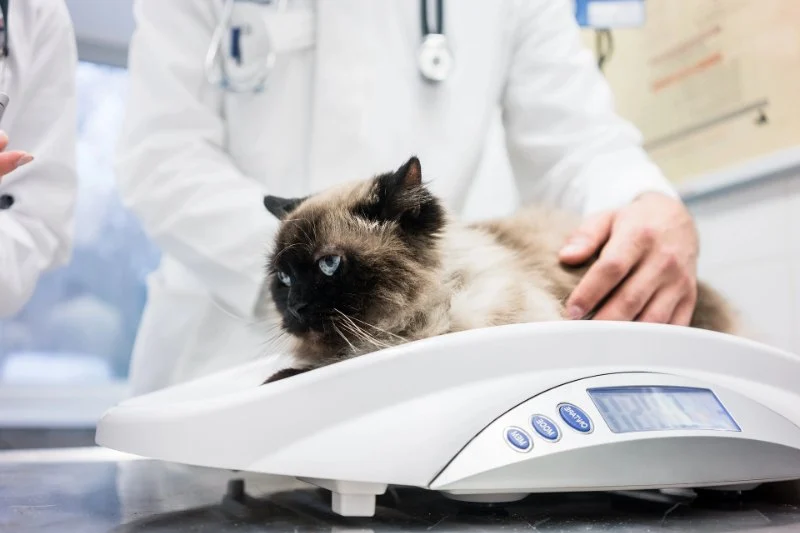
As a UK pet owner, it's important to understand that managing your cat’s weight is crucial for their overall health and longevity. Just like humans, cats can suffer from weight issues, ranging from being slightly overweight to being obese. While it’s easy to overlook a little extra weight, it can lead to serious health problems if left unaddressed.
Weight management in cats involves not just reducing their weight if they're overweight, but also ensuring that they maintain a healthy weight throughout their life. A balanced diet, regular exercise, and routine vet check-ups are key components in managing your cat's weight effectively.

Risks of Obesity in Cats
Obesity in cats is more than just a cosmetic issue—it significantly impacts their health. Overweight cats are at risk of developing a range of health problems, some of which can shorten their lifespan. Below are some of the key risks associated with obesity in cats:

Purple Pup for dogs and their humans (Yorkshire's first canine enrichment shop)
58a Eastborough, Scarborough YO11 1NJ, UK
1. Diabetes
Just like humans, cats can develop diabetes when they are overweight or obese. Obesity can cause insulin resistance, leading to a condition where the body no longer responds to insulin properly. This can result in diabetes, which is manageable with proper treatment but can be life-threatening if left untreated.
2. Joint Problems
Excess weight places additional strain on a cat's joints, increasing the risk of arthritis and mobility issues. Overweight cats may experience difficulty jumping, running, or playing, which can decrease their overall quality of life.
3. Heart Disease
Obesity can also lead to cardiovascular issues, as excess weight forces the heart to work harder. Over time, this can result in heart disease, which may reduce the cat's stamina and lead to more serious conditions.
4. Liver Disease
The liver plays an important role in metabolizing fat. In obese cats, the liver may become overwhelmed with the processing of fat, leading to fatty liver disease, which can be life-threatening if not treated promptly.
Signs Your Cat May Be Overweight
Recognizing the signs of an overweight or obese cat early can help prevent more serious health issues. Here are some common indicators that your cat might be carrying a few extra pounds:
1. A Rounded Belly
A visible belly bulge is a classic sign that your cat may be overweight. If your cat's belly hangs low to the ground or feels noticeably soft and rounded, it's time to assess their diet and exercise routine.
2. Difficulty Grooming
If your cat has trouble grooming themselves, it could be due to excess weight. Obese cats may not be able to reach certain areas of their body because of the size of their belly or their limited flexibility.
3. Lethargy
Overweight cats are often less active than their leaner counterparts. If your cat is sleeping more than usual or seems uninterested in playing, it could be a sign that they are carrying extra weight that is affecting their energy levels.
4. Visible Rib Cage
While you may think that a cat’s rib cage should always be visible, it’s important to be able to feel the ribs without too much pressure. If you can’t feel your cat’s ribs, they may be overweight or obese. If the ribs are very difficult to feel, it’s time to take action.
Top Tips for Managing Your Cat’s Weight
Maintaining your cat’s weight requires a combination of a healthy diet, regular exercise, and regular monitoring. Here are some top tips for managing your cat's weight effectively:
1. Measure Their Food
Overfeeding is a common cause of weight gain in cats. To avoid this, measure your cat's food rather than free-feeding. Stick to the recommended serving sizes based on your cat’s weight and activity level. Consult your vet to determine the ideal portion size for your cat.
2. Provide a Balanced Diet
A balanced diet is essential for weight management. Opt for high-quality cat food that is rich in protein and low in carbohydrates. Wet food is often a better choice for weight management as it contains fewer calories than dry food and can help your cat stay hydrated.
3. Increase Playtime and Exercise
Encourage your cat to exercise by incorporating playtime into their daily routine. Use toys like feather wands or laser pointers to engage them in active play. Aim for at least 15-30 minutes of play every day to keep your cat active and burning calories.
4. Gradual Weight Loss
If your cat is overweight, aim for gradual weight loss rather than rapid weight loss. A slow and steady approach is safer and more sustainable. Consult your vet for a tailored weight loss plan, which may include a specific diet and exercise regimen.
5. Consider Treat Alternatives
Many cats love treats, but they can be a hidden source of extra calories. Instead of feeding traditional treats, try using small amounts of their regular food or offer healthy cat treats that are lower in calories. You can also use interactive toys that dispense food, making mealtime more engaging and active.
When to Seek Veterinary Advice
While weight management can often be handled at home with the right approach, there are times when you should consult a veterinarian. If your cat is showing signs of obesity or rapid weight loss, or if you’re struggling to manage their weight despite your best efforts, it's important to seek professional advice. Your vet can help identify any underlying health issues and provide tailored recommendations for your cat's weight management.
If you’re looking for high-quality food, products, or services to help manage your cat’s weight, visit RegPets. We offer a range of carefully selected items to support your cat’s health and well-being.



 Springfield Veterinary Surgery - Crystal Peaks4.0 (102 reviews)
 Meadow Lodge Cattery4.0 (27 reviews)
 Oakhill Farm Vets5.0 (1 reviews)
 Clearly Aquatics Koi & Aquarium Supplies4.0 (347 reviews)
 Lincvet4.0 (152 reviews)
 Donaldson's Vets Ltd4.0 (302 reviews)
 Top 10 Exercise and Fitness Tips Every Exotic Pet Owner in the UK Should Know
 Best Practices for Skin and Coat Care in Fish
 Top 10 Nutrition Tips Every Fish Owner in the UK Should Know
 Common Vaccination Myths Debunked by UK Vets – Essential Facts for Pet Owners
 Common Illnesses Explained: Keeping Your Birds Healthy in the UK
 Best Practices for Seasonal Health Tips in Senior Pets