
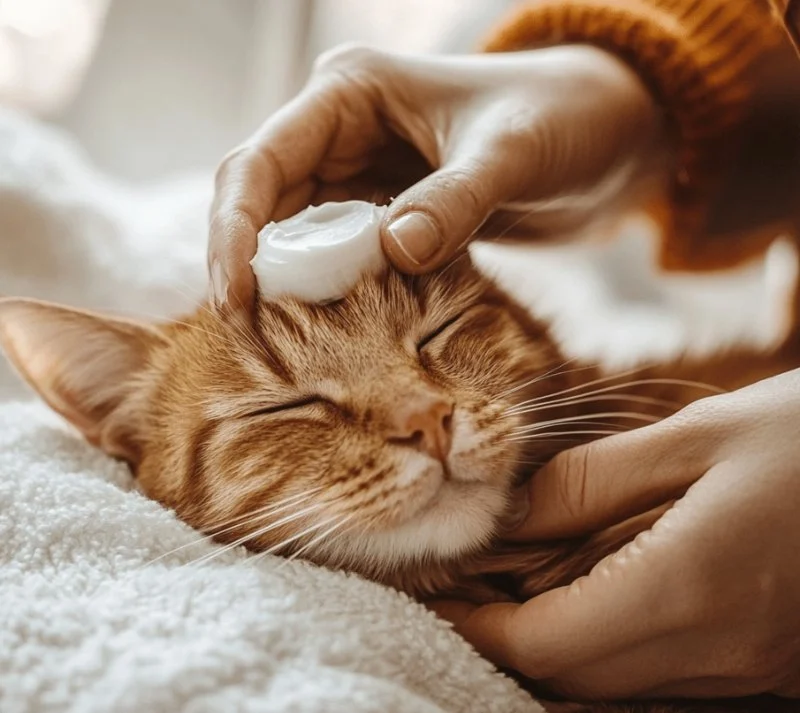
Expert Vet Advice on Skin and Coat Care for Kittens
As a kitten owner, ensuring the health and well-being of your furry friend is crucial. One of the most noticeable aspects of a kitten's health is its skin and coat. Proper skin and coat care is essential for their overall health and comfort. In this guide, we’ll provide expert vet advice on how to take care of your kitten’s skin and coat, helping them look and feel their best. If you're looking for high-quality products to support your kitten’s health, be sure to check out RegPets for a wide range of products and services.
- 1. Importance of Skin and Coat Care for Kittens
- 2. Common Skin Issues in Kittens
- 3. How to Care for Your Kitten’s Skin and Coat
- 4. When to Seek Veterinary Help for Skin and Coat Issues
1. Importance of Skin and Coat Care for Kittens
Skin and coat health is vital for a kitten’s comfort and protection. A healthy coat helps regulate body temperature, protects from environmental toxins, and prevents harmful bacteria from entering the skin. Proper grooming and care can also prevent common issues like matting, dry skin, and infections.

Purrfect Staycation Cattery
2 Grimsby Rd, Swallow, Market Rasen LN7 6DN, UK
Protecting Your Kitten’s Health
A well-maintained coat not only makes your kitten look adorable but also plays a critical role in their overall health. Skin problems, if left untreated, can lead to more serious conditions like allergies or infections. Regular grooming, proper diet, and using the right products are essential components of a good skin care routine.

Building a Bond Through Grooming
Regular grooming sessions can also strengthen the bond between you and your kitten. It provides an opportunity to check for signs of skin problems and gives your kitten a sense of security and comfort. Whether it’s brushing their fur or cleaning their ears, these moments are beneficial for both you and your kitten.
2. Common Skin Issues in Kittens
While kittens typically have soft and smooth fur, they are still susceptible to a variety of skin issues. Here are some common skin problems you may encounter:
Dry Skin
Dry skin is a common problem in kittens, particularly during the winter months. Low humidity, improper diet, or lack of grooming can cause their skin to become dry and flaky. Regular moisturizing and ensuring your kitten has a balanced diet rich in essential fatty acids can help prevent dry skin.
Fleas and Other Parasites
Fleas, ticks, and mites can cause significant irritation and skin problems for your kitten. These parasites often lead to itching, hair loss, and red, inflamed skin. Regular flea prevention treatments and keeping your kitten’s environment clean are key to preventing infestations.
Allergies
Like humans, kittens can suffer from allergies that affect their skin. Common allergens include certain foods, environmental factors like dust mites, or even products used in their grooming. If your kitten frequently scratches or develops rashes, it may be a sign of an allergy.
Ringworm
Ringworm is a fungal infection that can cause hair loss and circular patches of inflamed skin. This is contagious to other pets and humans, so it’s important to seek veterinary help if you suspect your kitten has ringworm.
3. How to Care for Your Kitten’s Skin and Coat
Proper care for your kitten’s skin and coat involves grooming, nutrition, and regular veterinary checkups. Here are some key tips:
Grooming Your Kitten
Brushing your kitten’s coat regularly is essential to keep their fur smooth and free of tangles. Regular brushing helps remove dead fur and reduces the risk of matting. It also stimulates blood circulation, which keeps their coat healthy and shiny. For long-haired kittens, consider using a de-matting comb to prevent tangles.
Proper Nutrition
Feeding your kitten a balanced diet that includes essential fatty acids like omega-3 and omega-6 will help keep their coat shiny and their skin healthy. Foods rich in these nutrients promote healthy skin cell regeneration, which in turn supports a soft and glossy coat. Make sure to choose kitten food that is specifically formulated for their growing needs.
Hydration
Ensuring your kitten stays hydrated is important for maintaining healthy skin. Dehydration can lead to dry skin and coat problems, so always provide fresh water and monitor your kitten’s water intake. You can also consider incorporating wet food into their diet for added moisture.
Use Pet-Safe Grooming Products
When choosing grooming products for your kitten, it’s important to opt for pet-safe shampoos and conditioners designed specifically for kittens. Harsh chemicals in human products can irritate their sensitive skin. Regularly using a gentle kitten shampoo can help keep their coat clean and soft without drying out their skin.
4. When to Seek Veterinary Help for Skin and Coat Issues
If your kitten develops any of the following signs, it’s important to seek professional veterinary advice:
Persistent Scratching or Biting
If your kitten is constantly scratching or biting their skin, it may indicate an underlying issue such as fleas, allergies, or an infection. A vet can help diagnose and treat the problem effectively.
Hair Loss or Bald Patches
Excessive hair loss or the appearance of bald patches can be signs of a skin condition such as ringworm or a bacterial infection. Early diagnosis and treatment can prevent further hair loss and potential spread to other pets or humans.
Red, Inflamed, or Infected Skin
If your kitten’s skin becomes red, inflamed, or infected, it’s important to get professional help right away. Left untreated, infections can lead to more serious health issues.
Taking care of your kitten’s skin and coat is essential to ensure they grow up healthy and happy. Regular grooming, proper diet, and using the right products will go a long way in keeping their skin and coat in great condition. For high-quality kitten care products and expert advice, visit RegPets.





 Angelas Village Cattery4.0 (38 reviews)
 Rutland Veterinary Centre4.0 (99 reviews)
 Medivet Washington4.0 (369 reviews)
 Town and Country Veterinary Group4.0 (207 reviews)
 Rase Veterinary Centre - Lincoln Newark Road4.0 (250 reviews)
 PawTag5.0 (1 reviews)
 Top 10 Allergy Care Every Hamster Owner in the UK Should Know
 UK Pet Owner’s Guide to Preventive Care for Rabbits: Tips for a Healthy Pet
 Vet-Approved Dental Care for Senior Pets
 How to Improve Kittens' Preventive Care at Home
 Top 10 Puppy and Kitten Care Tips Every Kitten Owner in the UK Should Know
 Best Practices for Mental Health in Exotic Pets: Expert Tips