
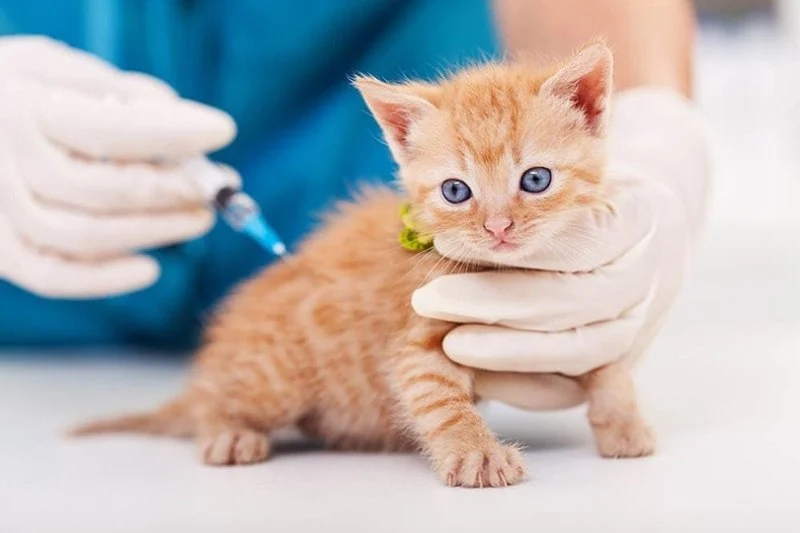
- 1. Introduction: Why Preventive Care is Crucial for Kittens
- 2. Basic Kitten Care Tips
- 3. How Diet Plays a Key Role in Prevention
- 4. The Importance of Regular Vet Visits
- 5. Keeping Your Kitten Active and Engaged
- 6. Common Health Issues and How to Prevent Them
1. Introduction: Why Preventive Care is Crucial for Kittens
As a kitten owner, it’s essential to understand the importance of preventive care in ensuring your kitten’s long-term health and happiness. Preventive care involves regular measures to protect your kitten from common illnesses and conditions. Proper preventive measures can greatly reduce the risk of health issues in the future and make your kitten’s growth smoother and more comfortable. In this article, we will discuss how to improve your kitten’s preventive care at home with easy and effective steps.

2. Basic Kitten Care Tips
When it comes to kitten care, basic hygiene and comfort are key. Regular grooming, cleaning, and ensuring a safe environment are essential for a healthy kitten.
Here are some basic kitten care tips:
- Litter Box Training: Start litter box training as early as possible. Place your kitten in the box after meals or naps to create positive habits.
- Grooming: Regular grooming helps prevent matting of fur and ensures your kitten stays clean. Use kitten-friendly brushes and always be gentle.
- Safe Environment: Keep your home safe by removing potential hazards, such as toxic plants, small objects they could swallow, or accessible electrical cords.
3. How Diet Plays a Key Role in Prevention
A balanced diet is essential for your kitten’s development. Nutritional needs differ significantly between kittens and adult cats, so choosing the right food is crucial.
Ensure your kitten is getting high-quality kitten food that provides the proper nutrients, including protein, fat, vitamins, and minerals. These nutrients are necessary for healthy bone and muscle development, as well as immune system support.
Be sure to provide fresh water at all times and avoid giving your kitten inappropriate foods like chocolate or dairy, which can cause digestive issues. Regular feeding schedules can also prevent overeating and promote a healthier lifestyle.

Pets at Home Newtownabbey
Antrim and NewtownabbeyNorthern Ireland
5a, Longwood Retail Park, Longwood Rd, Newtownabbey BT36 7BA, UK
4. The Importance of Regular Vet Visits
Regular visits to the vet are one of the most important preventive measures for your kitten. Early vet visits allow for vaccinations, deworming, and general health assessments.
Make sure to schedule a vet check-up during your kitten’s first few months to get them started on the right path. Your vet will also advise you on when to schedule further vaccinations and provide recommendations for spaying or neutering.
By maintaining regular vet check-ups, you help detect any potential health issues early on and ensure your kitten is receiving the best care possible.
5. Keeping Your Kitten Active and Engaged
Exercise is not only important for your kitten’s physical development but also for their mental stimulation. Active kittens are healthier, happier, and less likely to develop behavior issues.
Provide plenty of playtime with age-appropriate toys such as balls, feather wands, and interactive toys. These will help your kitten stay active while stimulating their instincts.
Allowing your kitten to explore different environments and providing opportunities for climbing or scratching will also help them grow stronger and more confident.
6. Common Health Issues and How to Prevent Them
Despite your best efforts, kittens can face various health issues. However, with proper care and preventive measures, many of these issues can be minimized or avoided entirely.
Some common health issues in kittens include:
- Fleas and Ticks: Use vet-approved flea and tick preventatives to keep your kitten free from these pests.
- Ear Mites: Regular ear checks and cleanings can prevent ear mites and infections.
- Digestive Problems: A balanced diet and regular feeding can help prevent digestive issues such as constipation or diarrhea.
By staying proactive and paying attention to your kitten’s behavior and health, you can prevent many of these common issues and help them lead a long, healthy life.
Taking the time to provide the best preventive care for your kitten will pay off in the long run. For more helpful tips on caring for your kitten, visit RegPets for expert advice and products.



 Gone Barking5.0 (7 reviews)
 Peejay Pet Superstore Ltd4.0 (1173 reviews)
 Sheerbliss Cattery5.0 (19 reviews)
 Calcaria Veterinary Practice4.0 (90 reviews)
 Crookedstone Cattery0.0 (0 reviews)
 Apisto Aquatics5.0 (25 reviews)
 Top 10 Behaviour Training Every Reptile Owner in the UK Should Know
 Common Vaccination Myths Debunked by UK Vets
 How to Handle Emergency Situations with Your Pet | Pet Safety Tips
 Complete Guide to Nutrition Tips for Hamsters: What Your Pet Needs to Stay Healthy
 Dealing with Anxiety and Stress in Pets: Vet Advice for UK Pet Owners
 Top 10 Behaviour Training Every Guinea Pig Owner in the UK Should Know