
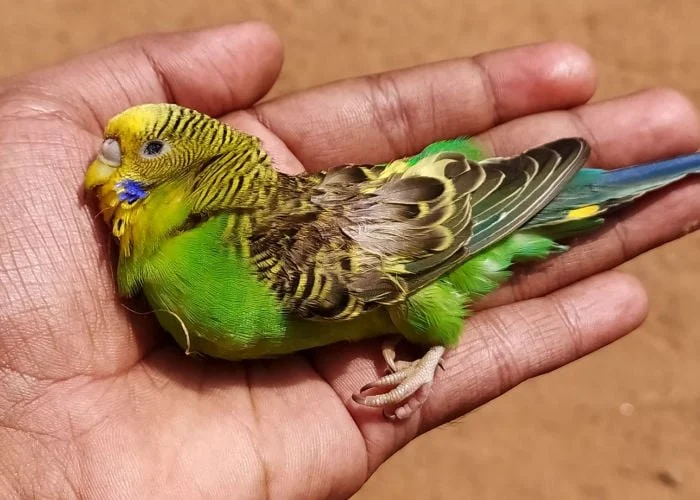
Common Illnesses Explained: Keeping Your Birds Healthy in the UK
- 1-Importance of Bird Health in the UK
- 2-Common Bird Illnesses in the UK
- 3-Recognizing Symptoms of Bird Illnesses
- 4-Preventing Common Bird Illnesses
- 5-Keeping Your Birds Happy and Healthy
- 6-When to Visit the Vet for Bird Health Issues
1. Importance of Bird Health in the UK
Keeping your birds healthy is crucial for both their wellbeing and longevity. In the UK, pet birds are a popular choice for many, but ensuring their health requires knowledge and proactive care. Birds, especially domesticated ones, can be vulnerable to various illnesses due to environmental stress, poor diet, and improper living conditions. It’s important to understand common bird illnesses and how to prevent them to ensure your feathered friends live a happy and healthy life.
In this guide, we’ll explore the most common illnesses affecting birds in the UK, how to recognize the symptoms, and the best ways to care for your birds. Whether you own parrots, canaries, budgies, or other pet birds, maintaining their health should always be a priority.

2. Common Bird Illnesses in the UK
Just like any other pet, birds can suffer from a variety of health conditions. Here are some of the most common bird illnesses seen in the UK:
- Respiratory Infections: Birds are highly susceptible to respiratory infections, which can be caused by bacteria, viruses, or fungi. Symptoms include sneezing, nasal discharge, and difficulty breathing.
- Feather Plucking: This behavior is often a sign of stress or an underlying illness, such as skin infections or behavioral disorders. Birds who pluck their feathers can develop bald patches, and it may lead to skin irritation.
- Psittacosis (Parrot Fever): This bacterial infection is common in parrots and can be transmitted to humans. Symptoms include lethargy, loss of appetite, and discharge from the eyes or nostrils.
- Gastrointestinal Issues: Birds are prone to digestive problems such as diarrhea, vomiting, or weight loss. Poor diet, parasites, or infections often cause these symptoms.
- Avian Tumours: Birds can develop both benign and malignant tumours. These are more common in older birds and may result in swelling or visible lumps on the body.
Understanding these common illnesses is the first step in ensuring that your birds receive the right care when needed.

3. Recognizing Symptoms of Bird Illnesses
Recognizing the symptoms of illness early on is essential to providing your bird with timely treatment. Birds are good at hiding their symptoms, so it’s important to look for subtle changes in behavior or appearance. Here are some common signs that may indicate your bird is unwell:
- Changes in Eating or Drinking Habits: A sudden loss of appetite or a significant increase or decrease in water consumption can be a sign of illness.
- Behavioral Changes: If your bird becomes unusually lethargic, aggressive, or withdrawn, it could be a sign of stress or illness.
- Abnormal Droppings: Diarrhea, blood in the droppings, or changes in color or consistency could indicate a gastrointestinal issue.
- Changes in Feather Condition: Dull or missing feathers, or excessive molting, can indicate underlying health problems or poor nutrition.
- Labored Breathing: If your bird is having trouble breathing or showing signs of wheezing or gasping, seek veterinary care immediately.
If you notice any of these symptoms, it’s important to act quickly and consult with a vet to prevent the illness from worsening.
4. Preventing Common Bird Illnesses
Preventing bird illnesses is often easier than treating them. Here are some tips to help you keep your birds healthy and avoid common diseases:
- Maintain a Clean Cage: Regularly clean your bird’s cage to prevent the buildup of bacteria, parasites, and mold, which can lead to respiratory issues and infections.
- Provide a Balanced Diet: Make sure your bird is eating a varied and balanced diet that includes fresh fruits, vegetables, seeds, and pellets designed for their species.
- Ensure Proper Hygiene: Birds are sensitive to dirty water and food containers. Clean their bowls daily and change their water regularly to avoid bacterial growth.
- Minimize Stress: Stress is a major factor in feather plucking and other behavioral problems. Ensure your bird has a quiet, safe space to rest, and avoid loud noises or disturbances.
- Regular Vet Check-ups: Schedule regular health check-ups with an avian vet to catch any potential issues early and maintain your bird’s overall health.
By following these preventative measures, you can greatly reduce the risk of your bird falling ill.
5. Keeping Your Birds Happy and Healthy
A happy bird is a healthy bird! To ensure that your bird stays mentally and physically healthy, it's essential to provide an enriching environment. Here are some tips to keep your bird entertained and active:
- Provide Toys and Activities: Birds are intelligent creatures that need stimulation. Provide a variety of toys, puzzles, and opportunities for exercise to keep them engaged.
- Give Social Interaction: Birds are social animals and need time out of their cages to interact with their human family members. Spending quality time with your bird can improve their emotional health.
- Provide a Spacious Cage: Ensure your bird has enough space to move around comfortably. A cage that is too small can lead to stress and health problems.
6. When to Visit the Vet for Bird Health Issues
If you suspect your bird is ill or showing signs of distress, it’s important to visit the vet right away. An avian vet can properly diagnose and treat a variety of bird illnesses. Don’t wait for symptoms to worsen; early intervention can make all the difference in your bird’s recovery.
For more information on keeping your birds healthy, or to find the right products for their care, visit RegPets for expert advice and high-quality pet care items.


 Ridings Equine Vets5.0 (70 reviews)
 Vermuyden Vets4.0 (208 reviews)
 Marine World Aquatics4.0 (230 reviews)
 Woodside Pet Care4.0 (44 reviews)
 RSPCA Rescue Centre Shop (Clough Road)5.0 (4 reviews)
 Miller & Rose Dog Boutique5.0 (6 reviews)
 How to Handle Emergency Situations with Your Pet: A Comprehensive Guide
 Best Practices for Puppy and Kitten Care in Reptiles | RegPets
 What to Expect During Your Pet’s First Vet Visit in the UK
 Vet-Approved Parasite Prevention for Kittens: Essential Tips for Pet Owners
 Improve Fish Mental Health at Home: Tips and Recommendations
 The Importance of Microchipping Your Pet in the UK | RegPets