
- Introduction: The Importance of Exercise for Puppies
- Age-Appropriate Exercise for Puppies
- The Benefits of Regular Exercise
- Exercise Routines for Puppies
- Common Exercise Mistakes to Avoid
- Conclusion: Keep Your Puppy Fit and Healthy
Introduction: The Importance of Exercise for Puppies
Exercise plays a crucial role in the development of your puppy, impacting both physical health and mental well-being. Just like human children, puppies need the right balance of activity to grow strong and maintain a healthy weight. Exercise helps to build muscle, improve coordination, and reduce behavioral problems that often stem from boredom or excess energy.
But how much exercise should a puppy get, and what types are appropriate for different breeds and ages? In this guide, we’ll explore the best practices for puppy exercise, helping you create a routine that ensures your dog remains fit, healthy, and happy. Whether you’re a first-time dog owner or a seasoned pet parent, understanding the best ways to incorporate exercise into your puppy’s life is essential.
Age-Appropriate Exercise for Puppies
When it comes to exercise, it’s important to consider your puppy's age, breed, and energy level. Puppies are not like adult dogs, and their bodies are still developing, so it’s essential to tailor their exercise routines to their needs.
- 8 to 16 weeks: At this early stage, puppies are still learning basic coordination and strength. Short play sessions, gentle walks, and supervised backyard time are ideal. Avoid long walks or strenuous activities that could strain their developing muscles.
- 16 weeks to 6 months: As puppies get older, their energy levels increase, and they can handle longer walks and playtime. Start introducing more structured activities like short jogs, puppy training classes, or interactive playtime with toys. Keep an eye on their behavior to ensure they’re not overexerting themselves.
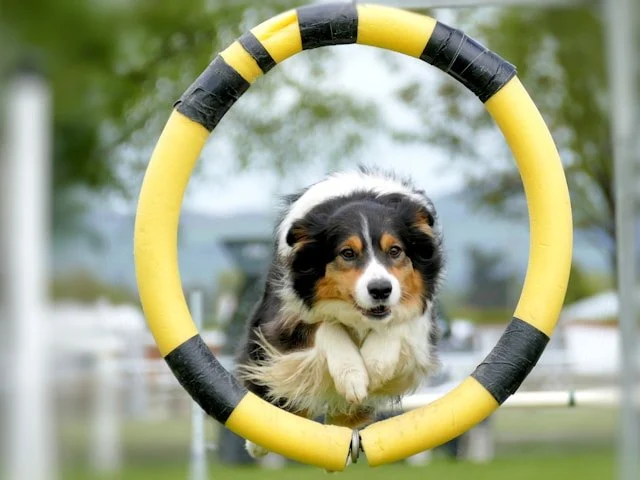
- 6 months and beyond: At this age, puppies are more physically capable and can enjoy more intense activities such as running, hiking, and agility exercises. However, it’s still important to consider the breed, as some larger or more muscular dogs may require less intense exercise than smaller breeds.
Always consult with your vet before starting a new exercise routine, especially if your puppy is particularly small, large, or has specific health concerns.

Bridge Veterinary Hospital - Middlesbrough
Victoria St, Middlesbrough TS1 5QZ, UK
The Benefits of Regular Exercise
Exercise offers a wide range of benefits for your puppy, from promoting physical health to providing mental stimulation. Regular physical activity can help:
- Build Physical Strength: Exercise helps to build muscle mass, improve stamina, and support overall physical growth. A well-exercised puppy will develop a strong body and bones, helping to prevent issues like joint problems and obesity in the future.
- Prevent Behavioral Issues: Puppies that don’t get enough exercise may develop behavioral problems such as chewing, barking, and digging due to pent-up energy. Regular activity can help to burn off excess energy, leading to a calmer, more balanced dog.
- Improve Mental Health: Exercise isn’t just about physical health—mental stimulation is just as important. Activities like training games, fetch, and puzzle toys help to engage your puppy’s mind and prevent boredom, which can lead to destructive behavior.
- Strengthen the Bond: Exercise also provides a great opportunity for bonding. Walking or running together, or playing fetch, helps to build a strong relationship between you and your puppy while teaching them important commands and behaviors.
In short, regular exercise ensures that your puppy stays physically fit, mentally engaged, and emotionally happy. It’s a vital part of their overall development.
Exercise Routines for Puppies
Now that you understand the benefits of exercise, it’s time to create a puppy fitness routine that suits your dog's needs. Here are some key exercise routines that can help keep your puppy fit:
- Short Walks: Daily walks are essential for puppies as they help to introduce them to the outside world and provide basic physical exercise. Start with short 10-15 minute walks and gradually increase the time as your puppy grows.
- Playtime: Play is an essential part of a puppy’s exercise routine. Games like fetch, tug-of-war, and hide-and-seek not only provide physical exercise but also stimulate their minds. Rotate different toys to keep the games fresh and fun.
- Training Sessions: Mental exercise is just as important as physical exercise. Engage your puppy in training sessions that teach basic commands and skills. Positive reinforcement and treat-based rewards work well to keep your puppy motivated.
- Socialization: Taking your puppy to dog parks or organizing playdates with other puppies helps them learn to socialize and burn off energy. Make sure these sessions are supervised to prevent any unwanted behavior.
Always adjust the intensity and duration of these activities based on your puppy's age, size, and energy level. Puppies should never be forced to engage in activities that are too strenuous for their bodies.
Common Exercise Mistakes to Avoid
While exercise is essential for your puppy, there are a few common mistakes that pet owners often make. Here’s what to avoid:
- Overexercising: Puppies have boundless energy, but they can get tired quickly, especially during growth phases. Overexercising can lead to injuries or burnout. Always keep an eye on your puppy’s behavior and stop exercise if they seem tired or overstimulated.
- Ignoring Breeds’ Needs: Not all puppies are created equal. Large breeds like Great Danes require less intense exercise compared to smaller breeds like Jack Russell Terriers. Tailor your exercise routine to your puppy’s breed and natural energy levels.
- Lack of Variety: Stick to the same routine day after day, and your puppy might lose interest. Mix up the activities to keep them engaged and to give them the mental stimulation they need.
Conclusion: Keep Your Puppy Fit and Healthy
Exercise is a vital part of a puppy’s development, helping them grow into healthy, well-behaved, and happy dogs. By following age-appropriate exercise routines, mixing in a variety of activities, and avoiding common mistakes, you can ensure that your puppy gets the best start in life.
At RegPets, we offer a variety of products and resources to help you provide the best care for your puppy, including toys, training tools, and health products. Start your puppy's fitness journey today, and watch them grow into a strong, happy dog!





 Pets at Home Preston Capitol4.0 (1116 reviews)
 Harrison Family Vets, Doncaster4.0 (81 reviews)
 Cawthorne Cat Hotel5.0 (53 reviews)
 Lindas Pet Supplies5.0 (4 reviews)
 Pets Unleashed4.0 (80 reviews)
 Sheffield PDSA Pet Hospital4.0 (1756 reviews)
 Expert Vet Advice on Health Checkups for Fish: Keep Your Aquarium Healthy | RegPets
 Best Practices for Mental Health in Rabbits: Ensuring Your Pet's Well-being
 Pet Dental Care: Why Regular Vet Visits Matter for UK Pet Owners
 What to Expect During Your Pet’s First Vet Visit: A Complete Guide
 How to Spot Signs of Arthritis in Older Pets: A Complete Guide
 Top 10 Signs Your Pet Needs to See a Vet Immediately | Expert Pet Care Advice