
How to Improve Your Dog's Mental Health at Home
- 1. Creating a Stress-Free Environment
- 2. Mental Stimulation and Exercise
- 3. The Role of Positive Reinforcement
- 4. Building Strong Bonds with Your Dog
- 5. When to Seek Professional Help
1. Creating a Stress-Free Environment
Dogs are highly sensitive to their surroundings. A calm, quiet environment is essential for their mental well-being. Ensuring that your dog has a space to retreat to when they feel overwhelmed is key. This could be a designated bed or crate that feels safe and secure. Minimize loud noises, and try to create a predictable daily routine to reduce anxiety. Providing soft music or white noise can help mask unsettling sounds from outside, like traffic or construction.

Polly's Cat Lodge Boarding Cattery
WestwoodsideNorth LincolnshireEngland
80 Doncaster Rd, Westwoodside, Doncaster DN9 2EE, UK
2. Mental Stimulation and Exercise
Just like humans, dogs need mental and physical exercise to stay healthy. Lack of activity can lead to boredom and even depression. Regular walks and playtime are essential for maintaining mental health. Additionally, consider incorporating puzzle toys and interactive games that challenge your dog’s mind. You can also engage them in scent tracking or obedience training to keep their brains active. A well-exercised dog is generally a happier dog, both mentally and physically.

3. The Role of Positive Reinforcement
Positive reinforcement is a powerful tool in promoting good behavior and mental well-being. Rewarding your dog with treats or praise for calm behavior can reduce anxiety and stress. By reinforcing desirable actions, such as sitting calmly or walking without pulling, you help to build their confidence and sense of security. Avoid punishment-based training, as this can exacerbate fear and anxiety.
4. Building Strong Bonds with Your Dog
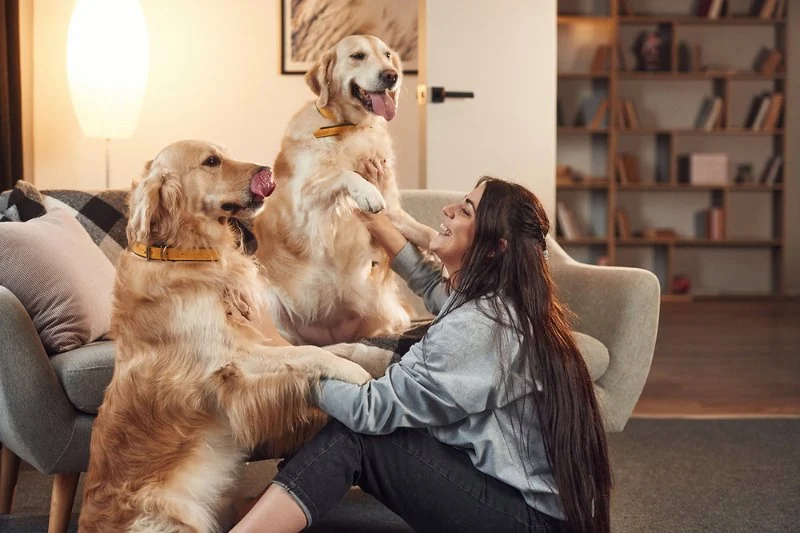
A strong bond between you and your dog is fundamental for their emotional health. Spend quality time together, whether it’s snuggling on the couch or engaging in interactive play. Dogs are social animals, and your companionship provides them with comfort and reassurance. Training and positive interactions help establish a sense of trust. Dogs that feel safe and loved are less likely to experience mental health issues such as separation anxiety.
5. When to Seek Professional Help
If your dog’s mental health issues persist, it may be time to seek professional help. Signs of severe anxiety, depression, or aggression should not be ignored. A veterinarian or a certified dog behaviorist can assess your dog’s condition and provide a tailored treatment plan. In some cases, medication may be necessary to help alleviate anxiety or other mental health conditions. Early intervention is critical to ensuring your dog’s happiness and overall well-being.






 Myerscough Veterinary Group Blackburn4.0 (279 reviews)
 Vets Now Hull4.0 (433 reviews)
 Sunningdale Pets4.0 (15 reviews)
 Pets at Home Blackpool4.0 (1852 reviews)
 Doggie Divider0.0 (0 reviews)
 Wear Referrals Veterinary Specialist & Emergency Hospital4.0 (243 reviews)
 The Importance of Travel Safety for Birds – UK Edition
 How to Improve Puppies Behaviour Training at Home
 Top 10 Puppy and Kitten Care Tips Every Kitten Owner in the UK Should Know
 Vet-Approved Parasite Prevention for Kittens: Essential Tips for Pet Owners
 What to Expect During Your Pet’s First Vet Visit in the UK
 How to Improve Guinea Pigs Behaviour Training at Home: Effective Tips for Pet Owners