
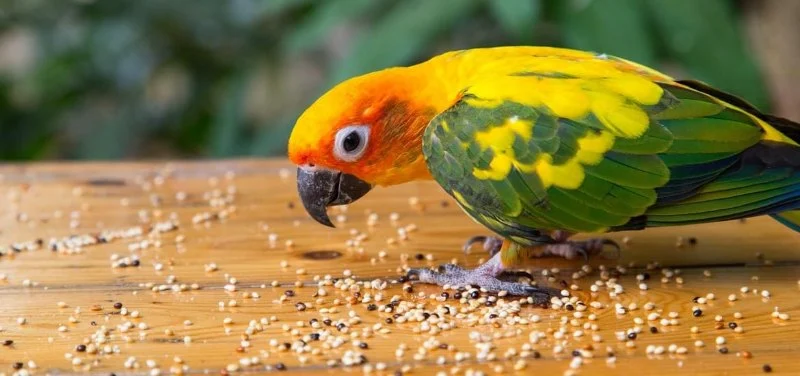
Nutrition Tips for Birds: What UK Pet Owners Need to Know
- The Importance of Proper Bird Nutrition
- Understanding Different Bird Diets
- What to Feed Your Bird for a Balanced Diet
- Common Feeding Mistakes to Avoid
- Supplements for Healthy Birds
1. The Importance of Proper Bird Nutrition
As a pet owner, providing proper nutrition for your bird is essential for its overall well-being. Birds, like any other pets, require a balanced diet to stay healthy, active, and free from diseases. Poor nutrition can lead to various health issues, including feather problems, digestive issues, and even premature death. Whether you own a parrot, finch, canary, or cockatiel, understanding the dietary needs of your bird is key to ensuring a long and healthy life.
In the UK, pet bird owners should be aware of how climate, bird species, and activity level influence dietary needs. Birds in colder climates, for example, may require more calories and certain nutrients to keep warm, while highly active birds may need a higher protein intake. Additionally, a well-balanced diet plays a crucial role in enhancing your bird's immune system and promoting mental stimulation.

2. Understanding Different Bird Diets
Not all birds have the same dietary requirements. Depending on your bird’s species, its diet will vary significantly. Some birds thrive on seeds, while others need fruits, vegetables, and grains for optimal health. Here’s a closer look at the dietary needs of different bird types:
- Seed-Eating Birds: Birds like finches and canaries are often seed eaters. However, a diet based solely on seeds can lead to nutritional imbalances, particularly in the absence of vitamins and minerals. It’s important to mix seeds with other foods like fruits and leafy greens.
- Fruit and Vegetable Eaters: Parrots and cockatiels are known to enjoy a variety of fresh fruits and vegetables. These birds thrive on a diverse diet that includes leafy greens, berries, apples, and carrots. Fresh food should be provided daily, and any leftovers should be discarded after a few hours to avoid spoilage.
- Insectivores: Some birds, like mynahs and certain species of sparrows, require insects to meet their protein needs. If you own an insectivorous bird, live or dried insects should be added to its diet regularly.
- Omnivores: Birds like pigeons and doves are omnivores, requiring a mixture of grains, fruits, vegetables, and sometimes even small amounts of protein from insects or meat. A well-rounded diet is important for these birds to stay healthy.
3. What to Feed Your Bird for a Balanced Diet
Feeding your bird a well-rounded and nutritious diet is easier than it sounds. Here are some essential food groups that every bird diet should include:
- Pellets: High-quality pellets provide birds with the essential nutrients that seeds alone cannot offer. They are designed to meet the specific nutritional needs of your bird and are a great addition to any diet.
- Fruits and Vegetables: Birds need fresh, vitamin-rich fruits and vegetables to ensure they get all the necessary nutrients. Offer a variety of fruits like apples, grapes, and oranges, and vegetables like spinach, broccoli, and bell peppers.
- Seeds (in moderation): While seeds should not be the main part of your bird’s diet, they can still be a good source of fats and proteins. Mix different seeds with pellets and fresh produce to create a balanced diet.
- Grains and Nuts: Whole grains like brown rice and quinoa are excellent sources of fiber and energy. Nuts, like almonds and walnuts, are also healthy snacks but should be offered in moderation due to their high fat content.
To keep your bird happy and healthy, always provide fresh water alongside their meals. Clean the water container daily to ensure your bird has access to clean drinking water.
4. Common Feeding Mistakes to Avoid
Many pet bird owners unintentionally make mistakes when it comes to feeding their birds. These errors can lead to health problems and short-lived pet experiences. Here are some common feeding mistakes to avoid:
- Overfeeding Seeds: While seeds are a popular choice for many birds, they should not be the primary food source. A diet too rich in seeds can lead to obesity and nutritional deficiencies.
- Feeding Too Many Treats: Treats, including sugary fruits and nuts, should be given in moderation. Overfeeding treats can lead to weight gain and an unbalanced diet.
- Not Providing Variety: Birds need variety to stay healthy and engaged. A monotonous diet can lead to boredom and malnutrition. Mix things up by introducing new fruits, vegetables, and grains into their diet.
- Feeding Processed Foods: Avoid feeding processed human foods, as they often contain preservatives, sugar, salt, and unhealthy fats that are harmful to birds.
5. Supplements for Healthy Birds
In addition to a well-balanced diet, some birds may benefit from nutritional supplements. However, always consult with a veterinarian before introducing any new supplements to your bird’s diet. Some common bird supplements include:
- Calcium Supplements: Birds like parrots and cockatiels, especially females, may need extra calcium to prevent bone issues or egg-binding problems.
- Multivitamins: A high-quality bird multivitamin can help ensure your pet is getting all the essential nutrients they need, particularly if they are picky eaters or on a limited diet.
- Probiotics: Probiotics can support your bird’s digestive health and improve nutrient absorption, especially if your bird has a sensitive stomach or digestive issues.
By following these nutrition tips, UK pet bird owners can provide a well-rounded, balanced diet that supports their bird's health and happiness. Remember that proper nutrition is key to your bird’s long-term well-being, so make sure to research your bird’s species-specific needs and consult with an avian vet when necessary.
For high-quality bird food, toys, and accessories, visit RegPets for the best products tailored to your pet bird's needs.


 BARK CENTRAL Pet Shop5.0 (4 reviews)
 Ocean Corals & Reptiles4.0 (246 reviews)
 Westway Veterinary Group, Consett4.0 (108 reviews)
 Pets at Home Morpeth4.0 (299 reviews)
 Jollyes - The Pet People Hull4.0 (26 reviews)
 Markham Pet Centre4.0 (873 reviews)
 How to Handle Emergency Situations with Your Pet | RegPets
 Common Health Issues in UK Pets and How to Prevent Them | Pet Health Guide
 Seasonal Health Tips Explained: Keeping Your Kittens Healthy in the UK
 How to Spot Signs of Arthritis in Older Pets
 Recognizing Symptoms of Allergies in Dogs and Cats in the UK
 Pet Dental Care: Why Regular Vet Visits Matter for Your Pet’s Oral Health