
Understanding the Behavior Behind Coprophagia in Dogs
- coprophagia-explained - What coprophagia means and why it matters for dog owners
- behavioral-causes - Emotional, instinctual, and environmental triggers behind the habit
- health-and-nutrition-factors - How diet and digestion influence stool-eating behavior
- training-and-prevention - Practical methods to stop dogs from eating poop
- real-dog-owner-stories - Everyday experiences that help explain the behavior
If you have ever caught your dog engaging in the unsettling behavior of eating feces, you are not alone in wondering why do dogs eat poop. This behavior, known medically as coprophagia, is more common than most pet owners expect, and while it can feel disturbing or even embarrassing, it often has understandable causes rooted in instinct, health, or environment.
Understanding coprophagia is not about blaming the dog—it is about decoding behavior. Dogs do not view the world the same way humans do. What seems disgusting to us may be driven by curiosity, nutritional need, or even stress-related habits in them.

What Is Coprophagia and Why Does It Happen?
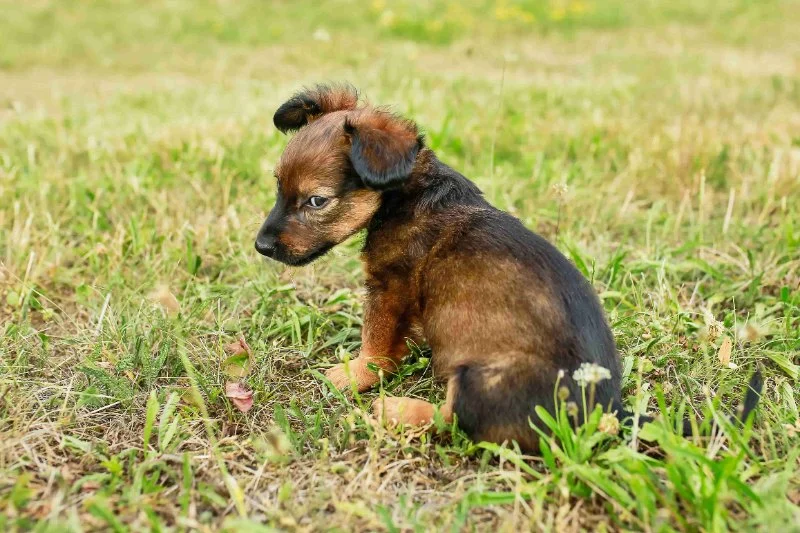
Coprophagia refers to the consumption of feces, either their own or other animals’. While it may sound alarming, it is seen across many dog populations, especially in puppies. In fact, some veterinary behaviorists suggest that it may have evolutionary roots, where scavenging behavior helped ancestral dogs survive in resource-scarce environments.
One common scenario involves puppies exploring their surroundings. A young dog might not yet understand boundaries and may experiment with textures and smells. This early curiosity can sometimes evolve into a habit if not gently corrected.
In one widely shared case from a pet behavior forum, a Labrador puppy developed this habit after being left alone for long hours during house training. The owner initially thought it was a behavioral “phase,” but later discovered it was linked to boredom and lack of stimulation. Once the routine was adjusted, the behavior gradually stopped.

Funky Paws Co
Branton Farm Nurseries, Doncaster Rd, Branton, Doncaster DN3 3QP, UK
Medical and Nutritional Causes Behind the Behavior
Sometimes the answer to why do dogs eat poop lies in their physical health. Nutritional deficiencies, particularly in enzymes or certain vitamins, can lead dogs to seek alternative sources—even feces.
Dogs with digestive issues may also fail to fully absorb nutrients, causing them to instinctively “recycle” waste in an attempt to retrieve what their bodies missed. Parasites, malabsorption disorders, or low-quality diets can all contribute.
Veterinarians often recommend checking stool samples, diet composition, and feeding routines when this behavior becomes frequent. A simple dietary upgrade can sometimes resolve the issue faster than behavioral training alone.
This is where platforms like RegPets can be helpful for pet owners looking to explore better nutrition options, supplements, or veterinary-approved products designed to support digestive health and overall well-being.
Behavioral and Environmental Triggers You Should Not Ignore
Not all cases are medical. Many dogs develop coprophagia due to boredom, stress, or learned behavior. Dogs left in confined spaces for long periods may engage in unusual habits simply to self-stimulate.
Another overlooked trigger is attention-seeking behavior. If a dog notices that eating feces causes a strong reaction from the owner, even negative attention can reinforce the habit.
In multi-dog households, dominance or competition can also play a role. A lower-ranking dog may eat feces to hide evidence or avoid confrontation with more dominant pack members.
Puppies and Early-Stage Learning Behavior
Puppies are especially prone to this behavior because they are still learning what is acceptable in their environment. Many pet owners report that their puppy’s first encounter with feces was accidental during outdoor exploration.
A real example comes from a first-time dog owner who adopted a rescue beagle. The dog initially appeared healthy but began engaging in coprophagia during the first month at home. After consultation with a trainer, it became clear that the behavior was linked to anxiety from the transition into a new environment. With structured feeding times and consistent outdoor supervision, the behavior gradually faded.
How to Stop Dogs From Eating Poop Safely and Effectively
Addressing this behavior requires a combination of training, environmental management, and sometimes dietary changes. One of the most effective strategies is immediate cleanup—removing feces from the environment before the dog has a chance to access it.
Training commands such as “leave it” or “no” can also help redirect behavior in real time. However, consistency is key. Dogs do not generalize commands well unless they are repeatedly reinforced in different environments.
Another important step is increasing mental stimulation. Dogs that are mentally engaged are significantly less likely to develop repetitive unwanted behaviors. Interactive toys, structured walks, and training sessions can all reduce boredom-driven coprophagia.
In more persistent cases, veterinarians may recommend enzyme supplements or dietary adjustments. These help improve digestion so that stool is less appealing to the dog.
Emotional and Psychological Factors Often Overlooked
Dogs experience emotional states such as anxiety, stress, and even frustration. In some cases, coprophagia becomes a coping mechanism. Dogs that are left alone for long hours or lack social interaction may develop repetitive habits to manage stress.
A dog owner once shared the story of a rescue husky that developed this behavior after being rehomed multiple times. Once the dog settled into a stable environment with predictable routines and consistent affection, the behavior significantly decreased.
When Professional Help Becomes Necessary
If the behavior persists despite dietary changes, training, and environmental adjustments, consulting a veterinarian or certified animal behaviorist becomes important. Persistent coprophagia may indicate underlying medical conditions that require professional diagnosis.
Professional guidance often includes structured behavior modification plans, dietary evaluations, and sometimes medical testing to rule out underlying causes.
Early intervention is always better. The longer the behavior continues, the more ingrained it can become.
Building a Healthier Routine for Long-Term Prevention
Preventing coprophagia is often easier than correcting it once it becomes a habit. A balanced diet, regular exercise, and mental stimulation form the foundation of healthy behavior.
Consistency in feeding schedules and bathroom routines also helps reduce confusion and anxiety. Dogs thrive on predictability, and structured environments naturally discourage unwanted habits.
Pet owners who want to explore nutrition-focused solutions, enrichment tools, or behavioral aids often turn to resources like RegPets to find suitable support for long-term pet wellness.
 Peak Vets - Sheffield4.0 (760 reviews)
 Kirks Vets4.0 (341 reviews)
 Milldene Farm Cattery4.0 (37 reviews)
 Elle and Rey Quality Dog Beds5.0 (1 reviews)
 Lincvet4.0 (152 reviews)
 The Harrogate Vet Physio Hydrotherapy Centre5.0 (7 reviews)
 Top 10 Travel Safety Tips Every Guinea Pigs Owner in the UK Should Know
 Mental Health Explained: Keeping Your Senior Pets Healthy in the UK
 How to Fix Pet Anxiety and Stress – Vet’s Advice on Managing Your Pet’s Stress
 UK Pet Owner’s Guide to Caring for Puppies and Kittens
 How to Improve Hamsters Nutrition Tips at Home – UK Edition
 How to Improve Fish Skin and Coat Care at Home