
- - Understanding Why Cat Dental Checks Matter - #importance-of-dental-care
- - What Healthy Pink Gums Should Look Like - #healthy-gums
- - How to Inspect Tartar and Plaque Build-Up - #tartar-inspection
- - Early Warning Signs of Feline Dental Disease - #dental-disease-signs
- - Step-by-Step Home Cat Dental Check Guide - #step-by-step-check
- - Real-Life Case of Missed Dental Issues in Cats - #real-case-story
- - Safe Ways to Maintain Cat Oral Hygiene at Home - #oral-hygiene-care
- - When to Seek Veterinary Dental Care - #vet-care
Understanding Why Cat Dental Checks Matter
Performing a cat dental check at home is one of the most overlooked yet essential parts of feline care. Many cat owners focus on diet, grooming, and vaccinations but forget that oral health directly affects a cat’s overall well-being. Dental disease in cats often develops silently, without obvious symptoms until it becomes severe.
Cats are naturally good at hiding pain, which means issues like gum inflammation or tartar buildup can progress for months without detection. By the time symptoms such as difficulty eating or drooling appear, the condition may already be advanced.
Veterinarians often emphasize that regular at-home checks help catch early signs before they turn into serious infections. Understanding cat dental health is not just about clean teeth—it is about preventing systemic health issues that can affect the heart, kidneys, and immune system.
A veterinary dentist once noted that “a cat’s mouth can tell the story of its overall health long before blood tests do.” This highlights the importance of routine oral observation.

What Healthy Pink Gums Should Look Like
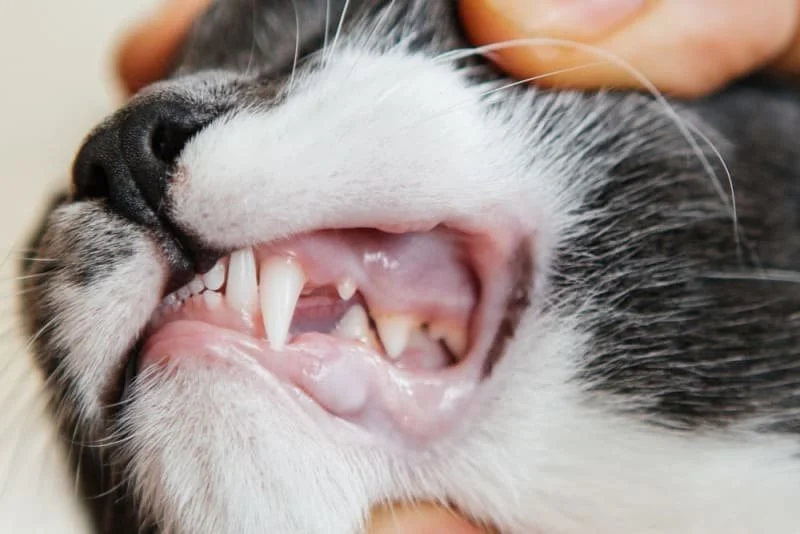
One of the first steps in a proper cat dental check at home is examining the gums. Healthy feline gums should appear light pink, smooth, and moist. This color indicates good blood circulation and a lack of inflammation.
If the gums appear red, white, or overly dark, it may indicate underlying issues such as infection, anemia, or gum disease. Swollen or bleeding gums are also warning signs that should never be ignored.
During a gentle inspection, it is important to observe both the upper and lower gum lines. Even slight changes in color or texture can indicate early stages of cat gum disease signs.
A cat owner in Oregon once discovered that her pet’s subtle gum redness was an early indicator of gingivitis. Early treatment prevented the need for more invasive dental procedures later on.

How to Inspect Tartar and Plaque Build-Up
Tartar buildup is one of the most common issues found during cat tartar inspection. It typically appears as yellow or brown deposits along the gum line, especially on the back teeth where cleaning is most difficult.
Plaque forms first as a soft film on the teeth. If not removed, it hardens into tartar, which cannot be brushed away easily at home. This is why early detection is so important.
When inspecting your cat’s teeth, gently lift the lips and look for discoloration or rough buildup. A healthy tooth should be white and smooth without visible debris.
A veterinarian in New York once explained that tartar is “like concrete forming on teeth over time,” emphasizing how quickly neglect can lead to serious dental problems.
Early Warning Signs of Feline Dental Disease
Recognizing early symptoms of dental disease is crucial in maintaining long-term feline oral hygiene. One of the first signs is persistent bad breath, which is often mistaken as normal but actually indicates bacterial buildup.
Other signs include drooling, pawing at the mouth, reluctance to eat hard food, and sudden weight loss. Cats may also chew on one side of their mouth to avoid discomfort.
In more advanced cases, you might notice bleeding gums or loose teeth. These symptoms indicate that the condition has progressed and requires immediate veterinary attention.
A rescue shelter in California reported that many adopted cats had untreated dental disease simply because early symptoms were ignored by previous owners.
Step-by-Step Home Cat Dental Check Guide
Performing a gentle cat dental check at home does not require special tools, but it does require patience and a calm environment. Start by ensuring your cat is relaxed—this may involve petting or speaking softly to reduce stress.
Next, gently lift your cat’s lips to expose the teeth and gums. Look closely at the gum color, tooth alignment, and any visible buildup along the gum line.
Avoid forcing your cat’s mouth open, as this can cause anxiety. Instead, perform the check in short sessions if your cat becomes uncomfortable.
Consistency is key. Performing regular checks once or twice a week helps you notice subtle changes early.
Real-Life Case of Missed Dental Issues in Cats
A real case shared by a pet clinic in Texas involved a cat that gradually stopped eating dry food. The owner assumed it was a dietary preference change, but the real issue was severe dental pain caused by advanced tartar buildup.
By the time the cat was brought in for treatment, multiple teeth required extraction. The condition could have been prevented with earlier detection during a simple home inspection.
Another case involved a young cat whose owner noticed slight gum redness but did not take immediate action. Within months, the condition developed into gingivitis requiring professional cleaning and antibiotics.
These examples show how small signs, when ignored, can lead to significant discomfort for pets.
Safe Ways to Maintain Cat Oral Hygiene at Home
Maintaining feline oral hygiene goes beyond inspection. Regular brushing with cat-safe toothpaste is one of the most effective ways to prevent plaque buildup.
Dental treats and specially designed chew toys can also help reduce tartar formation. However, they should not replace brushing or regular inspections.
Some cats may resist brushing initially, so gradual introduction is important. Start by allowing them to taste the toothpaste before attempting brushing.
At RegPets, many pet owners explore grooming and dental care products designed specifically to make oral hygiene easier and less stressful for cats.
When to Seek Veterinary Dental Care
While home care is essential, there are times when professional veterinary care is necessary. If you notice persistent bad breath, visible tartar buildup, bleeding gums, or behavioral changes related to eating, it is time to consult a veterinarian.
Professional dental cleanings are performed under anesthesia and allow deep cleaning below the gum line, which cannot be achieved at home.
Veterinarians can also identify hidden issues such as tooth resorption or infections that are not visible during a basic inspection.
A veterinary clinic in Illinois reported that early intervention in dental disease cases significantly improves recovery outcomes and reduces long-term treatment costs.
Understanding how to properly perform a cat dental check at home empowers pet owners to take control of their cat’s health and prevent painful dental conditions before they escalate.





 Matt Smith Vets4.0 (359 reviews)
 Sheddings Pets4.0 (32 reviews)
 Cawthorne Cat Hotel5.0 (53 reviews)
 Pets at Home Rawtenstall4.0 (657 reviews)
 The Harrogate Vet Physio Hydrotherapy Centre5.0 (7 reviews)
 Nithsdale Vets Dumfries4.0 (258 reviews)
 UK Pet Owner’s Guide to Puppy and Kitten Care for Birds
 Best Practices for Skin and Coat Care in Fish
 How to Improve Common Cat Illnesses at Home
 Top 10 Puppy and Kitten Care Every Rabbit Owner in the UK Should Know
 Vet-Approved Nutrition Tips for Hamsters | Guide to Healthy Hamster Diets
 Top 10 Urgent Signs Your Pet Needs to See a Vet in the UK