
- 1 - Understanding Hamster Nutrition
- 2 - Essential Diet Components for Hamsters
- 3 - Portion Control and Feeding Schedule
- 4 - Supplementing with Treats and Healthy Snacks
- 5 - Hydration and Fresh Water Importance
- 6 - Common Nutritional Mistakes to Avoid
- 7 - Monitoring Hamster Health and Weight
- 8 - Introducing New Foods Safely
- 9 - Real-Life Case Studies and Success Stories
- 10 - Expert Resources and Professional Advice
Understanding Hamster Nutrition
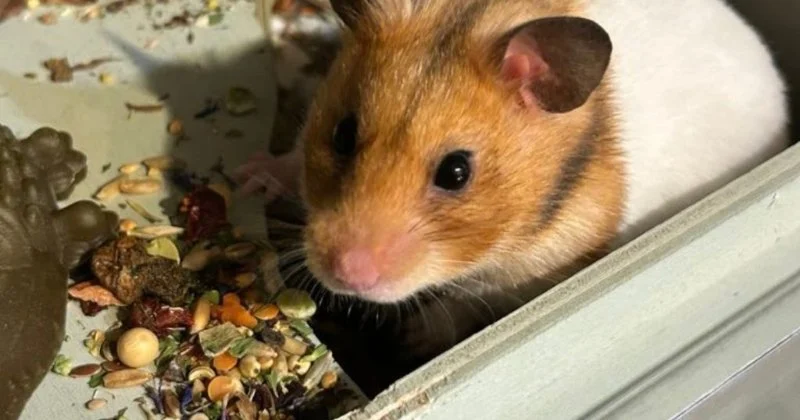
Hamsters have unique dietary needs that require careful consideration. Proper nutrition supports their energy, growth, dental health, and immune system. Understanding the basics of hamster nutrition is essential for UK pet owners to maintain a happy and healthy pet at home.
Hamsters are omnivorous, needing a balance of proteins, carbohydrates, fats, vitamins, and minerals. Recognising their natural dietary preferences allows owners to create a diet plan that mimics what they would consume in the wild, improving overall health and longevity.
Essential Diet Components for Hamsters
Key components of a hamster’s diet include high-quality pellets, fresh vegetables, fruits in moderation, seeds, and occasional protein sources such as boiled eggs or mealworms. Fibre is crucial to aid digestion and maintain healthy teeth.
Owners should provide a mix of dry and fresh foods to encourage natural foraging behaviours. Using commercially available hamster pellets ensures balanced nutrition, while fresh foods offer enrichment and additional vitamins. Reputable sources like RegPets provide guidance on selecting high-quality feed for UK pet owners.
Portion Control and Feeding Schedule
Proper portion control prevents obesity and ensures hamsters receive balanced nutrition. Adult hamsters typically eat 1–2 tablespoons of food per day, split into small, manageable portions. Young or growing hamsters may require slightly more protein to support development.
Consistency in feeding times establishes routine and reduces stress, while rotating food options maintains interest and encourages natural foraging behaviours.
Supplementing with Treats and Healthy Snacks
Treats can be used strategically to reinforce positive behaviours or provide enrichment, but should never exceed 10% of a hamster’s daily intake. Suitable treats include small pieces of carrot, apple, or unsalted nuts. Avoid sugary or processed human foods, which can cause obesity or digestive issues.
Moderation is key to maintaining nutritional balance while keeping your hamster engaged and happy.
Hydration and Fresh Water Importance
Access to clean, fresh water is vital for hamster health. UK owners should provide water daily, using a sipper bottle to prevent contamination. Hydration supports digestion, thermoregulation, and overall vitality.
Checking and refilling the water supply at consistent intervals prevents dehydration and ensures your hamster remains healthy and active.
Common Nutritional Mistakes to Avoid
Frequent errors include overfeeding, offering inappropriate foods, and neglecting to provide variety. These can lead to obesity, diabetes, dental problems, or gastrointestinal issues. Avoid feeding chocolate, citrus, onions, garlic, or high-fat processed foods.
Understanding these risks enables owners to make informed dietary choices and maintain long-term health for their pets.
Monitoring Hamster Health and Weight
Regularly observing your hamster’s weight, coat condition, and activity levels helps detect early signs of nutritional deficiencies or health problems. Sudden weight loss, lethargy, or changes in fur texture may indicate diet-related issues.
Maintaining a simple log of weight and dietary intake allows UK pet owners to adjust feeding plans and ensure balanced nutrition over time.
Introducing New Foods Safely
When adding new fruits, vegetables, or protein sources, introduce them gradually to prevent digestive upset. Start with small quantities and monitor reactions over several days. Avoid sudden changes to prevent stress and ensure acceptance of the new food.
Safe food introduction fosters dietary variety and keeps hamsters engaged while maintaining health and digestive stability.
Real-Life Case Studies and Success Stories
Consider Bella, a Syrian hamster in London, whose owner improved her diet by incorporating fresh vegetables and high-quality pellets. Over six months, Bella maintained a healthy weight, displayed higher energy levels, and had improved coat condition.
Another case involved Max, a dwarf hamster in Manchester. By adjusting portion sizes and adding fibre-rich snacks, Max avoided obesity and demonstrated more active foraging behaviour, illustrating how small dietary changes can significantly impact wellbeing.
Expert Resources and Professional Advice
UK pet owners seeking additional guidance can consult resources like RegPets, which offers advice on hamster nutrition, diet planning, and safe feeding practices. Professional input ensures that dietary adjustments meet the nutritional needs of your hamster, supporting health, longevity, and overall quality of life.
Combining expert advice with observation and consistency allows owners to create a comprehensive home-based nutrition plan tailored to their pet’s specific needs.






 Pet-SuppliesUK0.0 (0 reviews)
 Betsy's Exotics & pet supplies4.0 (3 reviews)
 Waggy Woofers5.0 (5 reviews)
 Flynn Vets Ballynahinch4.0 (89 reviews)
 Gemima's Cattery4.0 (66 reviews)
 Pets at Home Grantham4.0 (550 reviews)
 Essential Tips for Caring for Senior Pets: A Complete Guide for Pet Owners
 Vet-Approved Parasite Prevention for Kittens: Essential Tips for Pet Owners
 代码Preventive Care Tips for Rabbits: What UK Pet Owners Need to Know
 Top 10 Adoption Guide Every Exotic Pets Owner in the UK Should Know
 Mental Health Explained: Keeping Your Hamsters Healthy in the UK
 Best Practices for Dental Care in Fish