
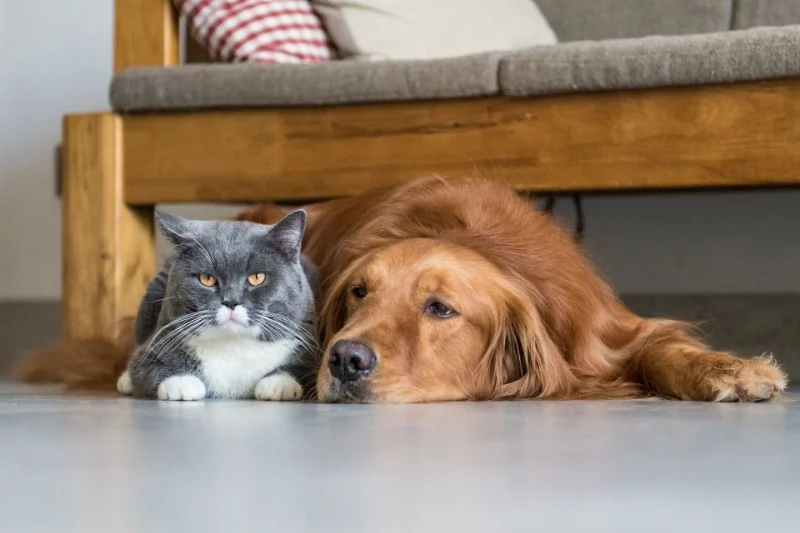
Dealing with Anxiety and Stress in Pets: Vet Advice
- 1- Understanding Anxiety and Stress in Pets
- 2- Common Causes of Anxiety in Pets
- 3- Signs of Anxiety and Stress in Pets
- 4- Tips for Managing Pet Anxiety and Stress
- 5- When to Seek Professional Help
1- Understanding Anxiety and Stress in Pets
Pets, like humans, can experience anxiety and stress, and just like us, they need support to manage it. Whether it’s due to environmental factors, changes in routine, or health issues, pet anxiety and stress are real concerns that should not be ignored. It’s important for pet owners to recognise that these emotional states can impact a pet’s well-being and overall health. In this article, we’ll cover the causes, signs, and best practices to help manage your pet’s anxiety and stress.

Castle Veterinary Surgeons - Barnard Castle
Montalbo Rd, Barnard Castle DL12 8ED, UK
2- Common Causes of Anxiety in Pets
Pets can experience anxiety and stress due to various reasons. Some common causes include:
- Separation Anxiety: Many pets, especially dogs, experience anxiety when left alone for extended periods. This can manifest in destructive behaviour and excessive barking.
- Environmental Changes: Moving homes, changes in the family dynamic, or new pets can cause pets to feel stressed.
- Loud Noises: Pets, particularly dogs, are sensitive to loud noises like thunderstorms, fireworks, and construction noises.
- Health Issues: Physical discomfort or illness can often lead to increased stress and anxiety. It’s essential to address any underlying health concerns with the help of a vet.
Understanding the cause of your pet's stress is crucial in managing their anxiety effectively. A proper diagnosis from a vet can help pinpoint the root cause of their discomfort.

3- Signs of Anxiety and Stress in Pets
It’s important to know how to spot the signs of anxiety and stress in your pets so you can address the issue early. Common signs include:
- Excessive Barking or Meowing: Constant vocalisation can be a sign of distress.
- Destructive Behaviour: Pets may chew furniture or scratch walls when anxious.
- Changes in Eating Habits: Loss of appetite or overeating may indicate stress.
- Pacing or Restlessness: Pets may pace around, unable to settle down.
- Excessive Grooming: Cats and dogs may excessively lick themselves as a way to self-soothe.
- Hiding or Avoiding Interaction: A stressed pet may retreat to a quiet space and avoid socialising.
If you notice any of these signs, it's crucial to address them as soon as possible. The sooner you intervene, the easier it will be to manage their anxiety.
4- Tips for Managing Pet Anxiety and Stress
Here are some effective ways to manage your pet’s anxiety and stress:
- Establish a Routine: Pets thrive on routine. Regular feeding, walks, and playtime can help reduce stress and provide a sense of security.
- Provide a Safe Space: Create a quiet, comfortable space where your pet can retreat when feeling anxious.
- Use Calming Products: There are various calming products available, such as pheromone diffusers, calming collars, and anxiety wraps, which can help ease anxiety.
- Exercise and Mental Stimulation: Physical activity and mental stimulation can help reduce stress and channel nervous energy in a healthy way.
- Training and Positive Reinforcement: Positive reinforcement training can help build your pet’s confidence and reduce anxiety in certain situations.
Each pet is different, so it's important to experiment with different techniques to find what works best for your furry friend. Always consult your vet before introducing new methods, especially if your pet has underlying health conditions.
5- When to Seek Professional Help
While many cases of pet anxiety and stress can be managed at home, there are times when it’s necessary to seek professional help. If your pet’s anxiety is severe or persistent, it may be time to consult a vet or an animal behaviourist. Professional help may involve:
- Prescription Medication: In some cases, medication may be necessary to help manage severe anxiety.
- Behavioural Therapy: Animal behaviourists can work with your pet to help them overcome their fears and anxieties.
- Comprehensive Health Assessment: A thorough veterinary examination to rule out any medical conditions contributing to stress.
Don’t hesitate to reach out for professional support if your pet’s stress is affecting their quality of life. Addressing anxiety early can lead to better long-term outcomes for both you and your pet.
Managing your pet’s anxiety and stress is crucial for their well-being. By identifying the causes, recognising the signs, and using effective techniques, you can help your pet live a happier and more relaxed life. If you're looking for the best products and services to support your pet, visit RegPets for expert recommendations and high-quality items.




 Gone Barking5.0 (7 reviews)
 Peejay Pet Superstore Ltd4.0 (1173 reviews)
 Sheerbliss Cattery5.0 (19 reviews)
 Calcaria Veterinary Practice4.0 (90 reviews)
 Crookedstone Cattery0.0 (0 reviews)
 Apisto Aquatics5.0 (25 reviews)
 Top 10 Behaviour Training Every Reptile Owner in the UK Should Know
 Common Vaccination Myths Debunked by UK Vets
 How to Handle Emergency Situations with Your Pet | Pet Safety Tips
 Complete Guide to Nutrition Tips for Hamsters: What Your Pet Needs to Stay Healthy
 Dealing with Anxiety and Stress in Pets: Vet Advice for UK Pet Owners
 Top 10 Behaviour Training Every Guinea Pig Owner in the UK Should Know