
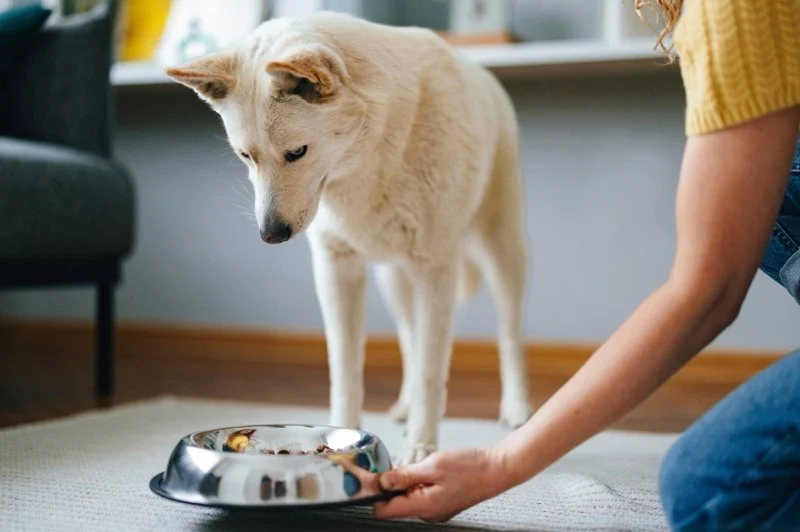
When Your Dog Suddenly Stops Eating: What It Really Means
- Understanding-why-dogs-refuse-food-and-when-to-worry
- Common-medical-and-behavioral-causes-behind-loss-of-appetite
- How-to-differentiate-between-normal-picky-eating-and-illness
- Safe-steps-to-help-restore-your-dogs-appetite-at-home
If you’ve found yourself staring at your dog’s untouched food bowl wondering why is my dog not eating, you’re not alone. It’s one of the most common concerns pet owners face, and it can be surprisingly stressful when your usually hungry companion suddenly loses interest in food.
Loss of appetite in dogs can range from something mild and temporary to a sign of an underlying health issue. The challenge is figuring out which situation you’re dealing with before it becomes more serious.

Common Reasons Behind Dog Appetite Loss
There are many possible explanations for dog loss of appetite causes, and not all of them are medical emergencies. Some dogs simply skip meals due to environmental changes, stress, or minor digestive upset.
For example, a dog moving to a new home might refuse food for a day or two while adjusting to unfamiliar surroundings. Similarly, changes in routine—like a new work schedule or travel—can disrupt their eating habits temporarily.
However, appetite loss can also signal illness. Dental pain, gastrointestinal issues, infections, or even early signs of chronic disease can all lead to reduced interest in food.

Durham Animal Feeds
Heighington VillageCounty DurhamEngland
Station Rd, Heighington Village, Newton Aycliffe DL5 6AA, UK
Medical Conditions That Can Affect Eating Behavior
When a dog is sick, appetite is often one of the first things to change. Conditions such as stomach infections, kidney disease, liver problems, or dental disease can make eating uncomfortable or unappealing.
A common real-life example involves dental pain. One dog owner noticed their pet approaching the bowl but only eating very slowly or dropping kibble. After a veterinary visit, it turned out the dog had a cracked tooth causing significant discomfort while chewing.
Infections are another frequent cause. Dogs with fever or inflammation often lose interest in food completely, even if they continue drinking water.
Behavioral and Emotional Triggers You Might Overlook
Not all appetite loss is physical. Emotional factors play a surprisingly big role in feeding behavior. Dogs are sensitive to stress, and even small changes in their environment can affect their eating habits.
Separation anxiety, loud noises, or the introduction of a new pet can lead to temporary refusal of food. Some dogs are also sensitive to their owner’s emotional state and may mirror stress or anxiety.
There’s a well-known case shared by a dog trainer where a rescue dog stopped eating for nearly two days after being adopted. The cause wasn’t illness—it was fear and adjustment to a completely new environment.
When “Not Eating” Is Actually Normal Behavior
Sometimes, a dog not eating but acting normal is not a reason to panic. Dogs occasionally skip meals, especially during hot weather or after reduced activity levels.
If your dog is still drinking water, playing, and showing normal energy levels, short-term appetite changes may not indicate anything serious.
However, if skipping meals becomes consistent or extends beyond 24–48 hours, it should be monitored closely.
Subtle Warning Signs That Should Not Be Ignored
While appetite loss alone may not always indicate a serious issue, it becomes more concerning when combined with other symptoms.
Watch for vomiting, diarrhea, lethargy, weight loss, or changes in stool. These signs often suggest an underlying medical condition that requires attention.
A dog that refuses food and also avoids water is at higher risk of dehydration and should be evaluated quickly.
How to Encourage Your Dog to Eat Again Safely
When dealing with mild appetite loss, there are several safe ways to encourage eating at home. Warming food slightly can enhance aroma and make it more appealing. Some owners also mix wet food with dry kibble to improve texture and taste.
Maintaining a calm feeding environment is also important. Dogs that feel rushed or stressed during mealtime may refuse food altogether.
Consistency helps. Feeding at the same time each day creates a predictable routine that supports healthy eating behavior.
For pet owners seeking reliable guidance and wellness solutions, platforms like RegPets provide helpful resources for understanding dog behavior and finding supportive care options tailored to different health needs.
Real-Life Experience from Dog Owners
One dog owner shared that their Labrador suddenly stopped eating for nearly two days. Initially, they suspected illness, but after a veterinary check, it turned out the dog was reacting to a recent change in food brand. Once the previous diet was gradually reintroduced, appetite returned to normal.
Another case involved a senior dog whose reduced appetite was linked to dental pain. After treatment, the dog’s eating habits improved significantly, showing how important it is not to ignore gradual changes.
Why Monitoring Eating Habits Matters More Than You Think
Appetite is one of the most important indicators of a dog’s overall health. Sudden or prolonged changes should always be taken seriously, even if other symptoms are not immediately visible.
Dogs cannot communicate discomfort directly, so behavior changes like refusing food often become the first clue that something is wrong.
By observing patterns carefully and responding early, pet owners can prevent minor issues from developing into serious health problems.
Understanding Your Dog’s Signals for Better Long-Term Care
Every dog is different, and their eating behavior can vary based on age, breed, and personality. What matters most is recognizing what is normal for your individual pet and noticing when something changes.
Whether the cause is stress, dietary change, or illness, understanding why is my dog not eating helps you respond calmly and effectively.
With careful observation and the right care approach, most appetite issues can be managed successfully, helping your dog return to their healthy routine.


 Vets4Pets - Beverley4.0 (280 reviews)
 Jungle Jim's Vivariums Ltd4.0 (9 reviews)
 Reptile Cymru4.0 (443 reviews)
 Blythman & Partners - Gosforth Veterinary Hospital4.0 (550 reviews)
 Vets4Pets Washington4.0 (746 reviews)
 Tropical Supplies Limited4.0 (487 reviews)
 How to Improve Kittens Dental Care at Home
 Top 10 Behaviour Training Every Guinea Pig Owner in the UK Should Know
 Vet-Approved Parasite Prevention for Kittens: Essential Tips for Pet Owners
 How to Handle Anxiety and Stress in Pets: Vet Advice
 Complete Guide to Puppy and Kitten Care for Birds
 Complete Guide to Emergency Vet Advice for Birds