
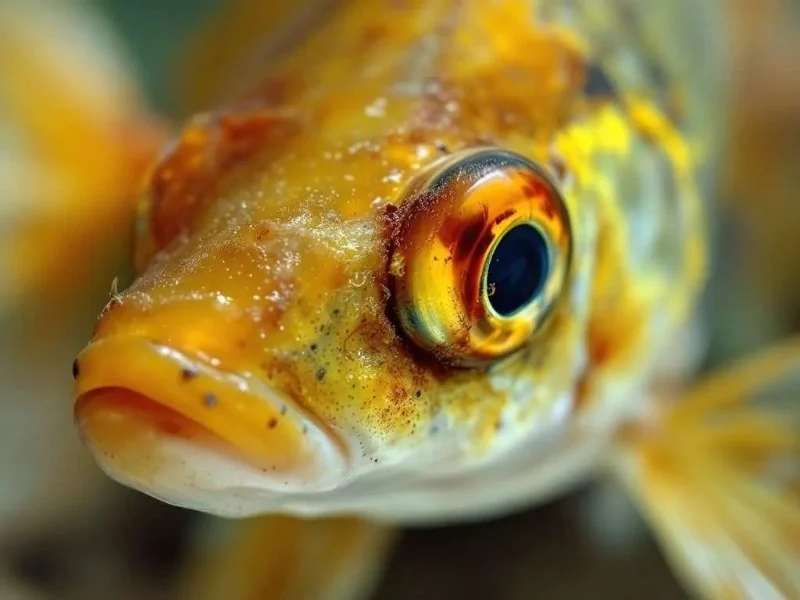
- aquarium-parasite-infections-uk - Common parasite infections affecting UK aquarium fish health
- bacterial-diseases-fish-tanks - Bacterial infections in freshwater and marine fish tanks
- fungal-infections-aquatic-pets - Fungal growth issues in aquarium environments
- ammonia-poisoning-water-quality - Water quality failures leading to ammonia poisoning in fish
- ich-white-spot-disease-uk - Ich (white spot disease) identification and treatment
- fin-rot-and-stress-disorders - Stress-related fin damage and deterioration in fish
- swim-bladder-disorder-fish - Buoyancy and swim bladder dysfunction in aquarium fish
- viral-infections-aquarium-fish - Viral disease risks in home aquarium ecosystems
Understanding Aquarium Health Challenges for Fish Owners in the UK
Keeping fish as pets in the UK has become increasingly popular, especially among urban households looking for low-noise, visually calming companions. However, behind the peaceful appearance of an aquarium lies a delicate ecosystem that can easily become unstable. Understanding the Top 10 Common Illnesses Every Fish Owner in the UK Should Know is essential for maintaining a healthy aquatic environment and preventing avoidable losses.
Unlike dogs or cats, fish cannot express discomfort in obvious ways. Most illnesses develop silently, and by the time visible symptoms appear, the condition may already be advanced. This makes observation skills, water quality management, and early intervention critical components of responsible fish keeping.
In many UK homes, especially first-time aquarists, common mistakes such as overfeeding, poor filtration, or inconsistent water changes contribute to preventable diseases. Recognizing these risks early can dramatically improve fish survival rates and long-term tank stability.

Parasite Infections: One of the Most Common Threats in UK Aquariums
Parasitic infections are among the most frequent health issues in both freshwater and tropical fish tanks. These microscopic organisms often enter aquariums through new fish, plants, or contaminated equipment.
One of the most recognizable signs is abnormal scratching behavior, where fish rub against decorations or tank walls. This indicates irritation caused by external parasites attaching to their skin or gills.
In UK aquariums, temperature fluctuations can sometimes accelerate parasite reproduction, especially in poorly maintained tanks. Early detection is crucial, as untreated infestations can spread rapidly across the entire aquarium population.

Valley Veterinary Hospital
Unit 2C, Gwaelod Y Garth Industrial Estate, Gwaelod-y-garth, Cardiff CF15 9SS, UK
Bacterial Diseases and Their Silent Progression in Fish Tanks
Bacterial infections are particularly dangerous because they often develop internally before visible symptoms appear. Poor water quality is the leading cause of bacterial outbreaks in home aquariums across the UK.
Symptoms may include cloudy eyes, ulcers on the body, or unusual lethargy. In severe cases, fish may stop eating entirely, signaling advanced infection stages.
A real case reported by a hobbyist in Manchester involved a goldfish tank where unnoticed filter failure led to bacterial overgrowth. Within days, multiple fish developed visible lesions, highlighting how quickly water imbalance can escalate into a health crisis.
Maintaining consistent filtration and regular water testing is essential to preventing bacterial proliferation in closed aquatic systems.
Fungal Infections and Their Connection to Tank Environment Stability
Fungal infections often appear as white, cotton-like growths on fish skin, fins, or eggs. These infections usually occur when fish are already weakened by stress or injury.
In UK households, fungal outbreaks frequently follow minor injuries caused by sharp decorations or aggressive tank mates. Once the protective slime coat is damaged, fungi can easily colonize affected areas.
Environmental imbalance, such as low water temperature or excessive organic waste, further increases risk. Addressing these conditions early can prevent widespread infection.
Ammonia Poisoning and the Importance of Water Quality Management
Ammonia poisoning is one of the most preventable yet common causes of fish death in home aquariums. It occurs when waste buildup exceeds the tank’s biological filtration capacity.
Even small spikes in ammonia levels can cause gill damage, breathing difficulties, and sudden behavioral changes. Fish may appear to gasp at the surface or become unusually inactive.
This issue is especially common in newly established tanks that have not fully cycled. UK fish keepers are often advised to monitor water parameters closely during the first few weeks of setup.
Regular partial water changes and proper filtration systems are essential for maintaining a stable aquatic environment.
Ich Disease (White Spot) and Rapid Transmission Risks
Ich, commonly known as white spot disease, is one of the most well-known fish illnesses among aquarium owners. It is caused by a parasite that attaches to the fish’s body, creating visible white spots.
Infected fish often show signs of scratching, rapid breathing, and reduced appetite. The disease spreads quickly in community tanks, especially under stress conditions.
A hobbyist case from Birmingham highlighted how introducing a single infected fish into a community tank resulted in a full outbreak within a week. This demonstrates the importance of quarantine procedures for new fish.
Temperature adjustments and targeted treatments are commonly used to break the parasite’s life cycle.
Fin Rot and Stress-Related Disorders in Aquarium Fish
Fin rot is typically associated with poor water conditions and chronic stress. It causes fins to appear ragged, discolored, or progressively deteriorated.
Stress plays a major role in weakening immune systems, making fish more vulnerable to secondary infections. Overcrowding, aggressive tank mates, and unstable environments are common triggers.
In UK home aquariums, fin rot is often seen in tanks that lack consistent maintenance schedules. Early intervention can prevent permanent fin damage.
Improving water quality and reducing environmental stressors are the most effective long-term solutions.
Swim Bladder Disorders and Buoyancy Challenges in Fish
Swim bladder disease affects a fish’s ability to control its buoyancy. Affected fish may float uncontrollably, sink to the bottom, or swim sideways.
Diet is a major contributing factor, particularly overfeeding or feeding low-quality food that causes digestive blockages.
In UK aquariums, this condition is frequently observed in fancy goldfish varieties due to their body structure and feeding habits.
Adjusting diet and improving feeding routines often helps alleviate mild cases, while severe cases may require veterinary consultation.
Viral Infections and Long-Term Aquarium Health Risks
Although less common than bacterial or parasitic diseases, viral infections can still pose serious risks in aquarium environments. These infections often spread slowly but can affect long-term population health.
Symptoms vary widely but may include abnormal growth patterns, lethargy, or unexplained mortality in multiple fish.
Because viral diseases are difficult to treat directly, prevention through quarantine and strict hygiene practices is essential.
Many UK aquarists rely on trusted care resources and product guidance from platforms like RegPets to maintain high standards of aquarium health management and reduce risk exposure.
Real-Life UK Aquarium Case: A Community Tank Recovery Story
A well-documented case from a hobbyist group in Leeds illustrates how multiple fish illnesses can emerge from a single water quality issue. The aquarium initially showed signs of mild cloudiness, which was ignored for several days.
Soon after, fish began exhibiting mixed symptoms including fin damage, lethargy, and loss of appetite. Testing revealed elevated ammonia levels combined with bacterial growth.
The recovery process involved partial water changes, filter replacement, and gradual reintroduction of stable conditions. Over several weeks, fish health improved significantly, but the incident highlighted the importance of early detection and consistent maintenance.
This case reinforces that aquarium health is not isolated—it is an interconnected system where small imbalances can escalate quickly.
Building a Stable Aquarium Environment for Long-Term Fish Health
Successful fish keeping in the UK requires more than feeding and decoration. It involves understanding biological balance, water chemistry, and behavioral observation.
Routine monitoring of water parameters, proper tank cycling, and controlled feeding schedules form the foundation of disease prevention.
Equally important is educating oneself about early warning signs. Fish often communicate distress through subtle behavioral changes long before physical symptoms appear.
With consistent care and informed decision-making, aquarium owners can significantly reduce the risk of illness and create stable aquatic ecosystems that thrive over time.




 The Natural Pet Company4.0 (17 reviews)
 SimplyCats Vet Clinic4.0 (93 reviews)
 Pet World Armagh4.0 (44 reviews)
 Ryedale Vets Pickering4.0 (173 reviews)
 Peak Vets - Sheffield4.0 (760 reviews)
 Vets4Pets - Middlesbrough Cleveland Park4.0 (213 reviews)
 UK Pet Owner's Guide to Parasite Prevention for Reptiles
 Vaccination Guide Explained: Keeping Your Reptiles Healthy in the UK
 How to Improve Exotic Pets Spaying and Neutering at Home
 Vet-Approved Puppy and Kitten Care for Kittens
 Top 10 Health Checkups Every Puppy Owner in the UK Should Know
 Best Practices for Puppy and Kitten Care in Reptiles | RegPets