

- 1. Understanding Senior Pet Health
- 2. Mental Health in Older Pets: Why It Matters
- 3. Common Health Issues in Senior Pets
- 4. Caring for Your Senior Pet's Mental and Physical Health
- 5. Senior Pet Care Tips: Keeping Your Older Pet Happy and Healthy
1. Understanding Senior Pet Health
As our pets age, they face unique challenges in both their physical and mental health. Just like humans, older pets require special care to ensure they remain happy, healthy, and comfortable. Senior pets, typically classified as those over seven years old, may experience changes in their energy levels, behaviour, and even their mental health. Understanding the importance of maintaining your senior pet’s well-being can help you provide the best possible care as they age.
In the UK, pet owners are increasingly aware of the need for regular veterinary check-ups and a tailored approach to senior pet care. It's essential to understand that the mental health of senior pets plays a crucial role in their overall quality of life. In this article, we’ll explore how to keep your senior pet healthy, both physically and mentally, and provide practical tips to improve their happiness and comfort.

2. Mental Health in Older Pets: Why It Matters
Just like younger pets, senior pets can experience mental health challenges, which can impact their behaviour and quality of life. As pets age, they may become more anxious, disoriented, or even depressed. The mental well-being of older pets can be easily overlooked, but it's just as important as their physical health. The changes they experience—such as reduced mobility, cognitive decline, and changes in their environment—can contribute to mental health issues.
Common signs of mental health issues in senior pets include:
- Increased anxiety: Older pets may become more nervous or fearful, especially around new experiences or changes in their environment.
- Cognitive dysfunction syndrome (CDS): This condition, often likened to dementia in humans, can cause confusion, disorientation, and memory loss in older pets.
- Changes in behaviour: Senior pets may exhibit changes such as irritability, aggression, or withdrawal, which can signal mental distress.
Recognising these signs early and seeking veterinary advice is crucial for managing your pet’s mental health. With the right care, many mental health challenges in senior pets can be alleviated, leading to a better quality of life for your furry companion.

Pets at Home Guiseley
4, Guiseley Retail Park, Park Rd, Guiseley, Leeds LS20 8QH, UK
3. Common Health Issues in Senior Pets
As pets age, they are more prone to a variety of health problems. These issues can affect both their physical and mental health, making it important for pet owners to stay vigilant and proactive in caring for their senior pets. Some common health issues in older pets include:
1. Arthritis and Joint Pain
Arthritis is one of the most common conditions in senior pets. As pets age, their joints can become stiff and inflamed, causing pain and difficulty moving. This can lead to reduced activity levels, which can affect both their physical and mental health. Regular exercise, joint supplements, and medications prescribed by your vet can help manage arthritis symptoms and improve your pet’s comfort.
2. Hearing and Vision Loss
Many senior pets experience hearing and vision loss, which can lead to confusion and anxiety. Pets may struggle to navigate their environment and become disoriented, especially in unfamiliar places. Making sure your home is safe and accessible, and providing extra care and attention, can help your pet adapt to these changes.
3. Dental Issues
Dental health is often overlooked in pets, but it can be a major concern for senior animals. Periodontal disease, tooth decay, and gum infections are common in older pets and can lead to pain, difficulty eating, and overall discomfort. Regular dental check-ups and proper oral hygiene are essential for maintaining your pet’s health.
4. Weight Management
Obesity is a common issue in senior pets, as their metabolism slows down with age. Overweight pets are more likely to develop joint problems, heart disease, and diabetes. Keeping your senior pet at a healthy weight through proper diet and exercise is crucial for their overall well-being.
4. Caring for Your Senior Pet's Mental and Physical Health
Caring for a senior pet requires extra attention and understanding. To keep your older pet healthy and happy, it's important to address both their physical and mental health. Here are some tips for providing the best care:
1. Regular Veterinary Check-ups
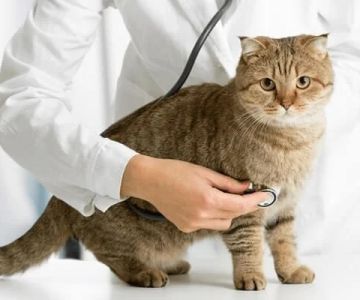
Senior pets should visit the vet more frequently than younger animals. Regular check-ups allow your vet to monitor any potential health issues early and recommend treatments to improve your pet’s quality of life. Regular blood tests, urine samples, and overall health assessments are essential for managing your pet’s health as they age.
2. Create a Comfortable Environment
Ensure your senior pet has a comfortable and accessible living space. Soft bedding, easy access to food and water, and a quiet area to rest can help make your pet feel secure and relaxed. For pets with mobility issues, ramps or steps can make it easier for them to access furniture or other areas of the house.
3. Encourage Mental Stimulation
Older pets, especially those with cognitive dysfunction syndrome, need mental stimulation to keep their minds sharp. Interactive toys, puzzle feeders, and regular playtime can help engage their brains and reduce feelings of confusion or anxiety.
5. Senior Pet Care Tips: Keeping Your Older Pet Happy and Healthy
Here are some additional senior pet care tips to ensure your older pet remains happy and healthy:
1. Provide a Balanced Diet
As pets age, their nutritional needs change. A diet that is specifically formulated for senior pets can help address their changing needs. Look for foods that support joint health, promote a healthy coat, and contain the right balance of vitamins and minerals.
2. Maintain a Healthy Exercise Routine
Even though your senior pet may not be as active as they were in their youth, regular exercise is still important. Short walks, gentle play, and stretching exercises can help maintain muscle mass, joint flexibility, and overall health.
3. Offer Extra Affection
As pets age, they may become more sensitive to changes in their environment or routine. Providing extra affection, spending quality time with them, and keeping their environment calm and comforting can help reduce stress and promote mental well-being.
If you’re looking for high-quality products to support your senior pet's health, visit RegPets. From specialised diets and supplements to comfortable bedding and calming toys, RegPets offers everything you need to keep your older pet happy and healthy.



 Catisfaction Cattery4.0 (8 reviews)
 Hillcrest Veterinary Surgery - Eccleston4.0 (62 reviews)
 Ironstone Veterinary Clinic - Vets Middlesbrough5.0 (4 reviews)
 Pets at Home Morpeth4.0 (299 reviews)
 Vets for Pets - Peterborough4.0 (480 reviews)
 Home Comforts Mobile Vets4.0 (109 reviews)
 How to Choose the Right Pet Food for Your Dog or Cat – Expert Tips & Advice
 Complete Guide to Mental Health for Kittens: Supporting Your Kitten's Well-Being
 Top 10 Exercise and Fitness Tips Every Exotic Pet Owner in the UK Should Know
 Understanding Flea and Tick Prevention for Pets in the UK
 Seasonal Health Tips for Keeping Your Kittens Healthy in the UK
 Complete Guide to Puppy and Kitten Care for Birds