

- 1-Understanding-Your-New-Pet
- 2-Essential-Health-Checks
- 3-Feeding-and-Nutrition-Tips
- 4-Training-and-Socialisation
- 5-Creating-a-Safe-Home-Environment
- 6-Recognising-Common-Health-Issues
- 7-Mental-Stimulation-and-Play
- 8-Grooming-and-Hygiene
- 9-Seasonal-and-Environmental-Considerations
- 10-Building-a-Strong-Bond
1. Understanding Your New Pet
Welcoming a puppy or kitten into your home is an exciting experience. Understanding your pet’s natural instincts and behaviours is crucial for ensuring a smooth transition. Puppies and kittens are highly curious and energetic, and recognising their needs early helps prevent behavioural issues.

1.1 Recognising Breed Traits
Different breeds have specific energy levels, social tendencies, and exercise requirements. Researching breed characteristics will help you tailor care routines and training techniques.

1.2 Adjusting Expectations
Both puppies and kittens need patience and consistent routines. Early training, positive reinforcement, and gentle correction establish the foundation for lifelong good behaviour.
2. Essential Health Checks
Ensuring your new pet receives proper veterinary care is essential for long-term health.
2.1 Initial Vet Visit
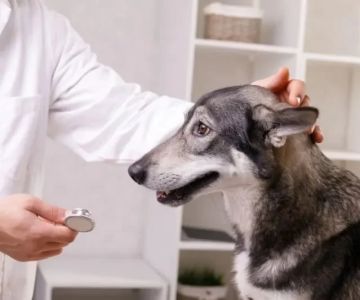
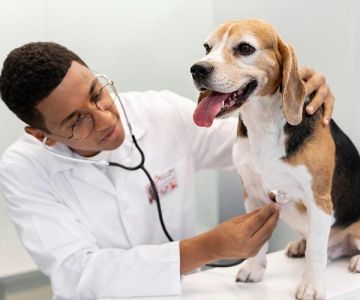
Schedule a comprehensive veterinary check within the first week. This includes vaccinations, parasite checks, and a general health assessment.
2.2 Vaccinations and Parasite Control
Puppies and kittens require a series of vaccinations and preventive treatments. Discuss schedules with your vet to protect your pets from common infectious diseases in the UK.
3. Feeding and Nutrition Tips
Proper nutrition supports healthy growth and development in young pets.
3.1 Choosing the Right Food
Select age-appropriate, high-quality food that meets breed-specific nutritional requirements. Puppies and kittens require diets rich in proteins, fats, and essential vitamins.
3.2 Feeding Schedule
Establish consistent feeding times. Puppies often need 3–4 meals a day, while kittens benefit from smaller, frequent meals.
4. Training and Socialisation
Early socialisation reduces fearfulness and behavioural problems.
4.1 Positive Reinforcement
Use treats, praise, and gentle encouragement. Avoid harsh punishment as it can create anxiety and trust issues.
4.2 Exposure to Environments
Gradually introduce your pet to different sounds, people, and other animals to build confidence and adaptability.
5. Creating a Safe Home Environment
Safety is essential to prevent accidents and injuries in young pets.
5.1 Puppy- and Kitten-Proofing
Remove hazards like loose wires, toxic plants, and small objects that can be swallowed.
5.2 Safe Resting Spaces
Provide a quiet, comfortable area for sleep. Crates or pet beds create secure spaces that reduce stress and promote rest.
6. Recognising Common Health Issues
Early identification of health problems ensures timely intervention.
6.1 Gastrointestinal Problems
Vomiting, diarrhoea, or loss of appetite may indicate dietary sensitivities or infections. Contact your vet if symptoms persist.
6.2 Skin and Coat Concerns
Watch for itching, hair loss, or rashes. Flea and mite prevention is critical, especially in young pets.
7. Mental Stimulation and Play
Interactive play enhances learning, reduces boredom, and strengthens your bond.
7.1 Toys and Enrichment
Provide chew toys, puzzle feeders, and interactive games to encourage mental engagement.
7.2 Training Games
Incorporate basic obedience and fun tricks into daily routines for mental stimulation and confidence building.
8. Grooming and Hygiene
Maintaining cleanliness supports health and comfort.
8.1 Brushing and Bathing
Regular brushing prevents matting and reduces shedding. Bathing should be done with pet-safe shampoos appropriate for the age and breed.
8.2 Dental Care
Introduce tooth brushing early using veterinary-approved toothpaste and brushes to prevent dental disease.
9. Seasonal and Environmental Considerations
UK weather can affect pet wellbeing. Protect pets from extreme cold and wet conditions by providing dry shelter and appropriate outdoor wear.
9.1 Outdoor Exercise
Ensure safe, supervised outdoor play. Puppies and kittens should not be overexposed to harsh weather to prevent illness.
9.2 Indoor Enrichment During Rainy Days
Use indoor games, training sessions, and interactive toys to maintain activity levels and reduce stress.
10. Building a Strong Bond
Positive interactions and attentive care build trust and lifelong companionship.
10.1 Consistent Care Routines
Feeding, play, and training schedules create structure and security for your young pet.
10.2 Attention and Affection
Daily interaction, gentle handling, and praise strengthen emotional bonds and support healthy development.
By following this UK-focused guide, pet owners can ensure their puppies and kittens receive the best care. Explore RegPets for tips, products, and resources to support your young pets' wellbeing and happiness.



 Cleo’s Place Luxury Cat Boarding5.0 (6 reviews)
 The Cinchy Doggie Bag0.0 (0 reviews)
 Ashlea Veterinary Centre4.0 (234 reviews)
 Newcastle-Upon-Tyne PDSA Pet Hospital4.0 (933 reviews)
 Pawprints Cattery5.0 (35 reviews)
 Oaklands Veterinary Centre and Equine Hospital4.0 (124 reviews)
 The Importance of Exercise and Fitness for Senior Pets – UK Edition
 First Aid Tips Explained: Keeping Your Puppies Healthy in the UK
 Complete Guide to Parasite Prevention for Hamsters
 Vet-Approved Dental Care for Senior Pets
 Pet Dental Care: Why Regular Vet Visits Matter for Your Pet’s Oral Health
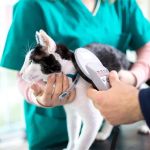 The Importance of Microchipping Your Pet in the UK | RegPets