
1. Top 10 Health Checkups Every Puppy Owner in the UK Should Know
As a new puppy owner in the UK, ensuring your puppy’s health and well-being is a top priority. Regular health checkups are essential in the early stages of your puppy's life to monitor growth, prevent illness, and address any potential health concerns. But what exactly are the most important health checkups every puppy owner should be aware of? In this guide, we’ll outline the top 10 health checkups you should be scheduling to keep your puppy happy and healthy throughout their life.

2. 1. Physical Exam and General Health Checkup
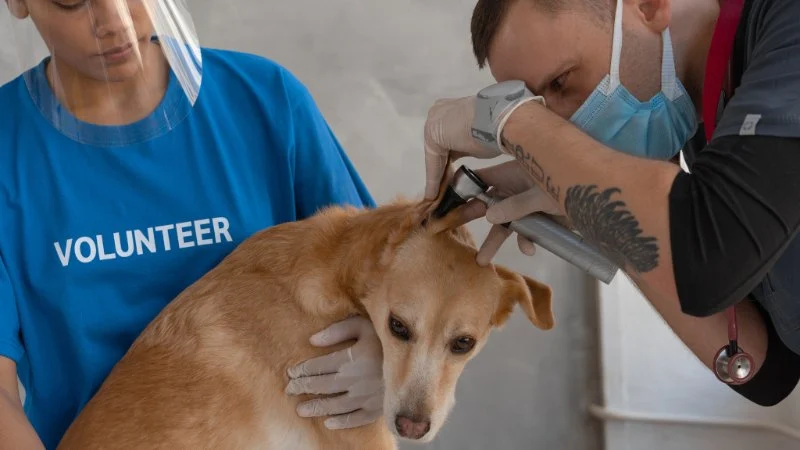
A physical exam is the cornerstone of any health checkup, and your puppy’s first one should be scheduled as soon as possible after bringing them home. During this exam, your vet will assess your puppy’s overall health, including their heart, lungs, eyes, and ears. They will check for signs of abnormalities, such as infections or parasites, and discuss your puppy’s diet, exercise, and vaccination schedule.
Most vets recommend a thorough physical exam during your puppy’s first visit, followed by regular checkups to monitor their growth and development.

3. 2. Vaccinations and Immunization Schedule
Vaccinations are a critical part of protecting your puppy from serious diseases. Puppies in the UK typically receive their first set of vaccinations around 8 weeks of age, followed by booster shots at 10 weeks and again at 12 weeks. Common vaccinations include those for parvovirus, distemper, and leptospirosis.
It’s important to follow the vaccination schedule provided by your vet to ensure your puppy is fully protected. Missing a vaccination or delaying boosters can put your puppy at risk of contracting preventable diseases.
4. 3. Worming Treatment and Parasite Prevention
Worms and parasites can affect puppies, causing discomfort, illness, and even serious health complications. Regular worming treatments are necessary, starting from a young age. Puppies should be wormed every 2 weeks until they are 12 weeks old, then every month until they are 6 months old, and every 3 months thereafter.
In addition to worming treatments, your vet will likely recommend other parasite prevention methods, such as flea treatments and tick control. This will help protect your puppy from external parasites that can carry diseases.
5. 4. Oral Health Checkup
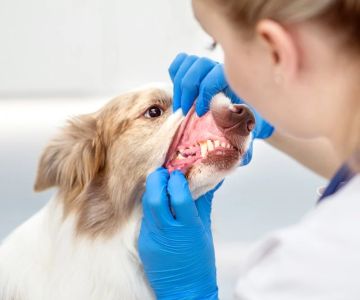
Just like humans, puppies need regular dental care. Dental issues, such as tartar buildup, can lead to serious health problems if left untreated. A vet will examine your puppy’s teeth and gums for signs of dental disease, and may recommend early cleaning or preventive care.
Start brushing your puppy’s teeth regularly to get them accustomed to the process. Your vet may also suggest safe chew toys or dental treats to help maintain oral health.
6. 5. Physical Development and Growth Monitoring
It’s essential to monitor your puppy’s growth to ensure they are developing properly. Your vet will track their weight, height, and overall body condition during each checkup. If your puppy is not gaining weight or growing at the expected rate, this could indicate an underlying health issue.
Proper nutrition and regular exercise are important to ensure healthy development. Your vet can provide guidance on portion control and the best food choices for your growing puppy.
7. 6. Joint and Bone Health Check
As your puppy grows, it’s important to monitor their bone and joint health, especially for larger breeds that may be prone to joint issues like hip dysplasia. Your vet will check for any signs of discomfort or abnormal movement that could suggest a problem.
Early intervention can help prevent the progression of joint problems, and your vet may recommend specific exercises or dietary supplements to support bone and joint health.
8. 7. Eyes and Ears Examination
Puppies are prone to eye and ear infections, so regular examinations are crucial to ensure your puppy’s vision and hearing are healthy. Your vet will check for any signs of discharge, redness, or irritation in the eyes, and inspect the ears for wax buildup or infections.
Routine eye and ear exams are essential for early detection of potential issues that could lead to long-term problems if left untreated.
9. 8. Spaying and Neutering
Spaying or neutering your puppy is an important decision to make in their early life. It helps prevent unwanted litters and can also reduce the risk of certain health conditions, such as testicular cancer in males or uterine infections in females.
Many vets in the UK recommend spaying or neutering puppies at around 6 months of age. Discuss the pros and cons with your vet to determine the best timing for your puppy.
10. 9. Mental Health and Behavioural Assessment
Physical health is important, but mental health is equally crucial for your puppy’s overall well-being. Behavioural assessments help identify signs of stress, anxiety, or aggression that may need to be addressed. Your vet can provide advice on proper socialisation, training, and how to keep your puppy mentally stimulated.
Early behavioural training helps shape your puppy’s character and ensure they grow into a well-adjusted adult dog.
11. 10. Regular Checkups for Long-Term Health
Even after your puppy’s first year, regular veterinary checkups are vital to maintaining their health. Ongoing checkups allow your vet to monitor for any developing health issues and provide timely treatment. Keeping up with annual exams ensures your puppy stays healthy as they transition into adulthood.
12. 12. Using RegPets for Puppy Health Products and Services
If you’re looking for the best health products and services for your puppy, visit RegPets. We offer a range of trusted health products, from vaccinations to parasite prevention treatments, as well as expert advice on how to keep your puppy happy and healthy. Visit our website to explore our selection and keep your puppy in top shape!



 Vets4Pets - Larne4.0 (108 reviews)
 Bainbridge Vets4.0 (43 reviews)
 Fenaghy Veterinary Clinic4.0 (266 reviews)
 R F Canners (Ulster)4.0 (80 reviews)
 Bell Brown & Bentley Veterinary Surgeons4.0 (325 reviews)
 Abbey Vets4.0 (42 reviews)
 How to Handle Emergency Situations with Your Pet
 Seasonal Health Tips for Guinea Pigs: Essential Care Advice for UK Pet Owners
 The Importance of Exercise and Fitness for Kittens – UK Edition
 What to Expect During Your Pet’s First Vet Visit: A Comprehensive Guide
 Complete Guide to Mental Health for Kittens: Supporting Your Kitten's Well-Being
 The Importance of Skin and Coat Care for Senior Pets in the UK