
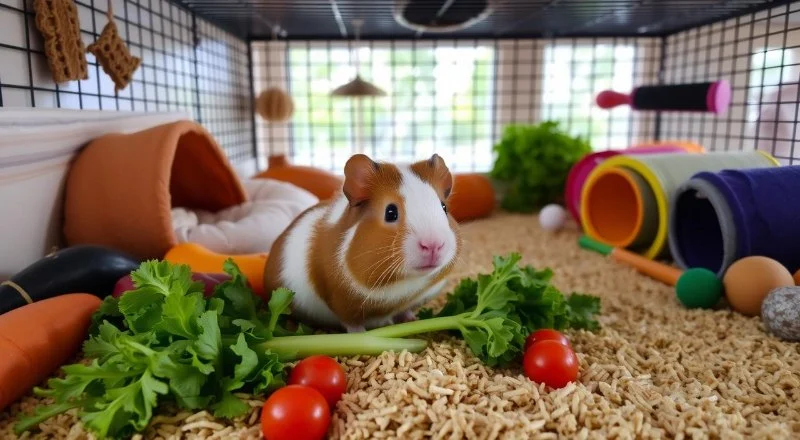
 Seasonal Health Tips for Guinea Pigs: Essential Care Advice for UK Pet Ownersseasonal health tips for guinea pigs, guinea pig care UK, guinea pig health tips, seasonal care for guinea pigs, guinea pig winter care, guinea pig summer careDiscover essential seasonal health tips for guinea pigs. Learn how UK pet owners can provide the best care for their guinea pigs in different seasons, including winter and summer. Visit RegPets for the best products and services for your guinea pig’s health.
- 1. Why Seasonal Care is Important for Guinea Pigs
- 2. Caring for Your Guinea Pig in the Winter
- 3. Keeping Your Guinea Pig Safe in the Summer
- 4. General Health Tips for Guinea Pigs in All Seasons
- 5. Real-Life Case Study: Seasonal Care for a Guinea Pig
1. Why Seasonal Care is Important for Guinea Pigs
Guinea pigs are sensitive creatures, and just like any pet, they require tailored care throughout the year. Seasonal changes can have a significant impact on your guinea pig’s health, so it's essential to adjust their living conditions and diet according to the temperature and environment changes in the UK. Without proper seasonal care, guinea pigs can face health issues such as respiratory problems in the winter or heatstroke during the summer months.
In the wild, guinea pigs are accustomed to a constant temperature and environment, but domestic guinea pigs rely on their owners to create an appropriate living environment. By following some simple tips for seasonal care, you can ensure your guinea pig stays happy, healthy, and comfortable all year long.

Herdman Country Club for Cats
Herdsman Cottage,, Morley Lane, Pilling, Nr Preston, Lancashire, Preston PR3 6BY, UK
2. Caring for Your Guinea Pig in the Winter
Winter months can be tough for guinea pigs, as they are highly sensitive to the cold. In the UK, where winter temperatures can dip below freezing, it's essential to take extra precautions to ensure your guinea pig remains warm and safe during this time.
1. Keep Your Guinea Pig's Cage Warm
During winter, ensure that your guinea pig’s cage is placed in a warm room, away from cold drafts. Avoid placing their cage near windows or doors where the cold can affect them. It's essential to maintain a stable temperature of around 18-21°C (65-70°F) inside their living space.
2. Add Extra Bedding
Guinea pigs love to burrow, and in colder months, adding extra bedding, such as hay or fleece, will provide warmth and comfort. Make sure the bedding is thick and absorbent to keep them dry, as moisture can lead to health problems.
3. Watch Out for Respiratory Issues
Respiratory infections are more common during winter, particularly in damp or poorly ventilated environments. Make sure your guinea pig is not exposed to sudden temperature fluctuations or excessive humidity. Regularly clean their cage and change bedding to maintain a dry and hygienic living space.
4. Adjust Their Diet
Winter months may lead to reduced activity in guinea pigs. To compensate for this, increase their intake of high-fiber food such as fresh hay, and make sure they have access to fresh water at all times. Adding more vitamin C-rich foods, like bell peppers, will also help keep their immune system strong during the colder months.
3. Keeping Your Guinea Pig Safe in the Summer
While winter poses challenges for guinea pigs, the summer months bring their own set of risks, especially heat-related stress. In the UK, summer temperatures can sometimes rise above 30°C (86°F), which can lead to heatstroke in guinea pigs if they are not properly cared for. Here’s how to keep your guinea pig safe and comfortable during the warmer months:
1. Ensure Proper Ventilation
In hot weather, guinea pigs need a cool and well-ventilated space. Avoid placing their cage in direct sunlight, and ensure there is plenty of airflow in the room. If your guinea pig’s cage is in a small or enclosed space, consider using a fan or placing a cooling mat beneath their bedding to help regulate temperature.
2. Keep Them Hydrated
Heat can lead to dehydration, so it's crucial to make sure your guinea pig always has access to fresh, clean water. Consider adding ice cubes to their water bottle to help keep it cool during particularly hot days.
3. Offer Cool Treats
Frozen fruits or veggies, like cucumber or berries, can be a refreshing and hydrating treat for your guinea pig during the summer. Make sure to offer these in moderation, as too much fruit can upset their digestive system.
4. Monitor for Signs of Heatstroke
Watch out for signs of heatstroke, which can include panting, lethargy, drooling, or difficulty moving. If you suspect your guinea pig is overheating, immediately move them to a cooler, shaded area and offer them water. In extreme cases, seek veterinary help immediately.
4. General Health Tips for Guinea Pigs in All Seasons
Aside from seasonal care, guinea pigs require general health maintenance to ensure they remain active and happy throughout the year. Here are some general health tips that apply in any season:
1. Regular Check-ups
Even if your guinea pig seems healthy, regular check-ups with a vet are essential. These visits can help catch any potential issues early and ensure that your pet is in optimal health. Your vet can also provide guidance on diet, grooming, and specific seasonal concerns.
2. Provide Mental and Physical Stimulation
Guinea pigs are intelligent animals that require both mental and physical stimulation. Offer toys, tunnels, and opportunities for them to explore safely. Exercise is important to prevent obesity and maintain muscle tone, so provide a safe space where they can roam outside of their cage.
3. Maintain a Balanced Diet
A proper diet is key to keeping your guinea pig healthy. Ensure they have access to high-quality hay at all times, along with a small portion of fresh vegetables and a small amount of fruit. Avoid sugary foods, and never feed them iceberg lettuce, as it can be harmful to their digestive health.
4. Keep Their Teeth Healthy
Guinea pigs’ teeth grow continuously, so it’s essential to provide plenty of hay, fresh vegetables, and chew toys to prevent overgrowth and dental issues. If you notice your guinea pig struggling to eat or losing weight, it could be a sign of dental problems that require veterinary attention.
5. Real-Life Case Study: Seasonal Care for a Guinea Pig
Meet Emma, a UK-based guinea pig owner who has learned the importance of seasonal care the hard way. Last winter, Emma noticed that her guinea pig, Daisy, seemed less active and had a runny nose. After visiting the vet, Emma learned that Daisy had developed a mild respiratory infection due to the cold drafts in her cage during the winter. After switching to a warmer, draft-free area and adding extra bedding, Daisy recovered and was back to her playful self.
In the summer, Emma made sure Daisy stayed hydrated and cool by providing ice-cold water bottles and a cooling mat. She also made sure Daisy’s cage was well-ventilated and not exposed to direct sunlight. With these adjustments, Emma was able to keep Daisy safe during the warmer months, ensuring her guinea pig thrived through both the hot and cold seasons.
Emma’s experience highlights the importance of adjusting care based on the seasons and how simple changes can make a big difference in your guinea pig's health and well-being.

 Gone Barking5.0 (7 reviews)
 Peejay Pet Superstore Ltd4.0 (1173 reviews)
 Sheerbliss Cattery5.0 (19 reviews)
 Calcaria Veterinary Practice4.0 (90 reviews)
 Crookedstone Cattery0.0 (0 reviews)
 Apisto Aquatics5.0 (25 reviews)
 Top 10 Behaviour Training Every Reptile Owner in the UK Should Know
 Common Vaccination Myths Debunked by UK Vets
 How to Handle Emergency Situations with Your Pet | Pet Safety Tips
 Complete Guide to Nutrition Tips for Hamsters: What Your Pet Needs to Stay Healthy
 Dealing with Anxiety and Stress in Pets: Vet Advice for UK Pet Owners
 Top 10 Behaviour Training Every Guinea Pig Owner in the UK Should Know