
- Introduction
- Why the First Vet Visit Matters
- Preparing for Your Pet’s First Vet Visit
- What Happens During Your Pet’s First Vet Visit
- Common Questions to Ask During Your Pet’s First Vet Visit
- Real-Life Experiences: First Vet Visits
1. Introduction
Bringing your pet to the vet for the first time can be an exciting yet overwhelming experience. Whether you’ve recently adopted a kitten, puppy, or any other type of pet, ensuring their first veterinary visit goes smoothly is crucial for their health and well-being. The first visit sets the foundation for your pet’s lifelong health care, and it’s important to be prepared for what to expect. In this guide, we’ll take you through everything you need to know to make your pet’s first vet visit stress-free and beneficial for their future health.

2. Why the First Vet Visit Matters
Your pet’s first visit to the vet plays a vital role in laying the groundwork for their health and medical care. Early veterinary visits help detect any potential health issues before they become serious. Moreover, these visits provide the opportunity to establish a vaccination schedule, discuss preventative care, and get to know your pet’s specific health needs.

2.1 Establishing a Health Baseline
During the first vet visit, your vet will conduct a thorough physical examination, checking your pet’s weight, heart rate, and overall condition. This examination will establish a baseline for your pet’s health, which is crucial for future vet visits. Any signs of illness or congenital conditions can be detected early, which will help manage or prevent future health issues.
2.2 Vaccinations and Preventative Care
One of the primary goals of the first visit is to start vaccinations and discuss any necessary preventative care. Your vet will inform you about the required vaccines for your pet, depending on their age, breed, and lifestyle. Preventative care may also include flea, tick, and worm treatments, which are essential for keeping your pet safe from common parasites.
3. Preparing for Your Pet’s First Vet Visit
Preparation is key to ensuring that your pet’s first visit goes as smoothly as possible. Here are some tips to help you prepare:
3.1 Bring Important Documents
When heading to the vet, make sure to bring any relevant documents, such as your pet’s adoption papers, vaccination records, or previous health history (if applicable). This information will help the vet understand your pet’s medical background and recommend the best course of action for their care.
3.2 Prepare Your Pet for Travel
Some pets may feel anxious about traveling or being in unfamiliar environments. To make your pet’s first visit less stressful, bring a familiar blanket, toy, or any comfort items that may help calm them during the trip. If your pet is nervous about the car ride, you can take them on shorter car trips beforehand to help them get used to the experience.
3.3 Write Down Questions
Don’t hesitate to write down any questions you may have for the vet. Your first vet visit is a great opportunity to discuss your pet’s diet, exercise routine, and any behavioral concerns. Having a list of questions can ensure that you don’t forget any important details during the appointment.
4. What Happens During Your Pet’s First Vet Visit
During your pet’s first vet visit, you can expect a thorough examination and discussion about their health. Here’s a breakdown of what typically happens:
4.1 Physical Examination
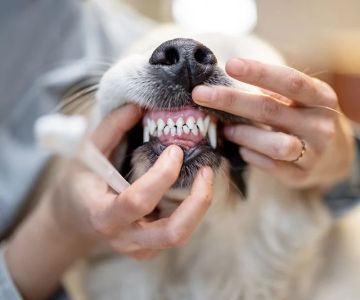
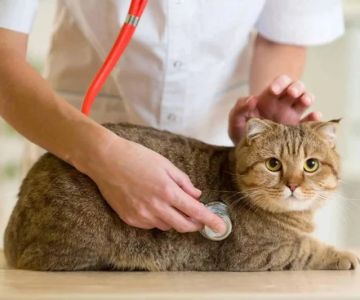
Your vet will start by conducting a full physical exam of your pet. This includes checking their heart, lungs, teeth, skin, and eyes, as well as assessing their overall body condition. The vet may also take your pet’s weight and measure vital signs like heart rate and temperature.
4.2 Vaccinations and Preventative Care
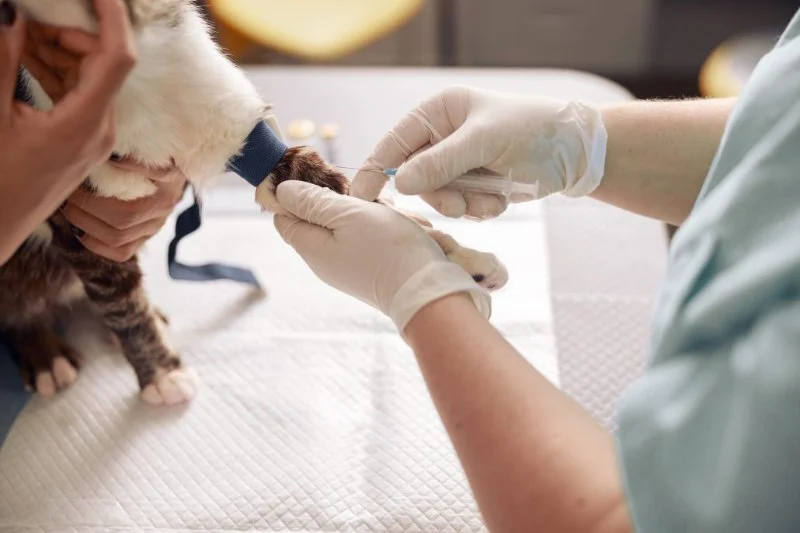
If your pet is due for any vaccinations, the vet will administer them during this visit. They’ll also discuss ongoing preventative care, such as flea and tick treatments and deworming. Depending on your pet’s age and lifestyle, your vet may recommend specific health programs to help keep your pet healthy.
4.3 Health Advice and Guidance
During the visit, your vet will provide valuable advice on pet care. This may include guidance on feeding, exercise, grooming, and dental health. They’ll discuss any special care your pet might need based on their breed, age, or medical history.
5. Common Questions to Ask During Your Pet’s First Vet Visit
Your first vet visit is a great time to ask important questions about your pet’s health and future care. Here are some common questions you may want to ask:
5.1 What Vaccines Does My Pet Need?
Ask your vet about the vaccines your pet needs, as well as when they should be scheduled. Make sure you understand the vaccination schedule and any potential side effects.
5.2 What Should I Feed My Pet?
Ask your vet for advice on the best diet for your pet based on their breed, age, and activity level. They may also suggest the best food for preventing obesity and ensuring long-term health.
5.3 How Can I Prevent Parasites?
Inquire about the best preventative treatments for fleas, ticks, and worms. Your vet can recommend products tailored to your pet’s needs, helping you protect them from parasites.
6. Real-Life Experiences: First Vet Visits
Let’s look at some real-life experiences to give you a better idea of what to expect:
6.1 Case Study: Bella the Kitten
When Bella, a 10-week-old kitten, had her first vet visit, her owner was nervous about the process. However, the vet made the experience much smoother by explaining each step. Bella received her first vaccinations, and her owner was given advice on kitten care, including feeding and litter box training. The vet also recommended a regular flea treatment, ensuring Bella’s future health.
6.2 Case Study: Max the Puppy
Max, a 5-month-old puppy, came in for his first vet visit after his owner noticed some unusual behavior. During the visit, the vet checked Max’s teeth, confirmed he was due for vaccinations, and provided a deworming treatment. Max’s owner also discussed proper puppy training and diet, leaving the vet visit feeling confident in the care Max was receiving.
7. Consulting Your Vet for Pet Care
Consulting your vet during your pet’s first visit is the first step towards establishing a strong health plan for them. Regular vet visits, starting from the first appointment, will ensure your pet stays healthy throughout their life. For expert advice, products, and care, visit RegPets to find everything you need to support your pet’s health.




 Gone Barking5.0 (7 reviews)
 Peejay Pet Superstore Ltd4.0 (1173 reviews)
 Sheerbliss Cattery5.0 (19 reviews)
 Calcaria Veterinary Practice4.0 (90 reviews)
 Crookedstone Cattery0.0 (0 reviews)
 Apisto Aquatics5.0 (25 reviews)
 Top 10 Behaviour Training Every Reptile Owner in the UK Should Know
 Common Vaccination Myths Debunked by UK Vets
 How to Handle Emergency Situations with Your Pet | Pet Safety Tips
 Complete Guide to Nutrition Tips for Hamsters: What Your Pet Needs to Stay Healthy
 Dealing with Anxiety and Stress in Pets: Vet Advice for UK Pet Owners
 Top 10 Behaviour Training Every Guinea Pig Owner in the UK Should Know