
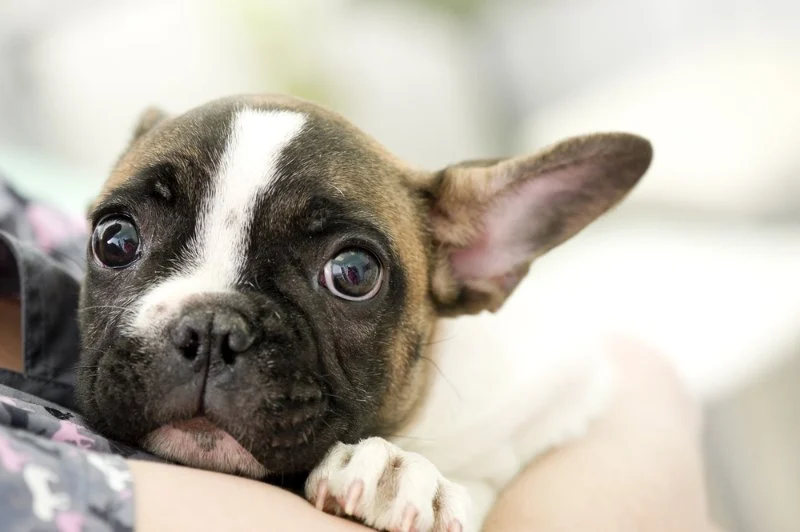
Dealing with Anxiety and Stress in Pets: Vet Advice
- 1. Understanding Pet Anxiety
- 2. Symptoms of Stress in Pets
- 3. Treatment Options for Anxious Pets
- 4. Preventing Anxiety and Stress in Pets
1. Understanding Pet Anxiety
Just like humans, pets can suffer from anxiety and stress. It is essential to understand the causes and effects of these conditions to provide your furry friend with the best care. Pet anxiety can be triggered by a variety of factors such as changes in routine, separation from their owner, unfamiliar environments, or loud noises.
Common pets that experience anxiety include dogs and cats, but it can occur in other animals as well. It’s crucial to identify the source of stress to ensure appropriate treatment.

2. Symptoms of Stress in Pets
Symptoms of anxiety and stress in pets can vary depending on the animal, but there are several common signs to look for:
- Excessive Barking or Meowing: Dogs may bark excessively, while cats might vocalize more when stressed.
- Destructive Behaviour: Chewing, scratching, or urinating in inappropriate places can indicate stress in both cats and dogs.
- Loss of Appetite: Stress can cause pets to lose their appetite, leading to weight loss and a decrease in energy.
- Shaking or Trembling: Anxiety can lead to physical signs like trembling or shaking, especially during stressful situations.
- Aggression or Hiding: Pets may become more aggressive or retreat to secluded spots when feeling anxious.

Mav & Annie’s Pet Store
18A Church Rd, St Anne's, Lytham St Annes, Lytham Saint Annes FY8 3TL, UK
3. Treatment Options for Anxious Pets
There are various ways to treat anxiety in pets, and the best approach depends on the severity of the condition and the pet’s individual needs:
- Consult a Veterinarian: If your pet’s anxiety is severe, it’s important to seek professional help from a veterinarian who can diagnose the issue and recommend appropriate medications or therapies.
- Behavioural Therapy: For pets with anxiety, behavioral training and desensitisation techniques can help them cope with stressful triggers, such as loud noises or separation anxiety.
- Calming Products: Products such as calming collars, pheromone sprays, or anxiety wraps can provide comfort to pets during stressful times.
- Exercise and Enrichment: Regular exercise and mental stimulation through toys and games can help reduce anxiety and prevent boredom in pets.
4. Preventing Anxiety and Stress in Pets
While some anxiety triggers are unavoidable, there are proactive measures you can take to prevent stress and anxiety in pets:
- Maintain a Routine: Pets thrive on consistency, so maintaining a regular feeding, walking, and sleeping schedule can help reduce anxiety.
- Provide a Safe Space: Create a quiet, comfortable space where your pet can retreat when feeling overwhelmed.
- Gradual Exposure: Slowly introducing your pet to new environments, people, or experiences can help reduce their fear and anxiety over time.
- Quality Time: Spend quality time bonding with your pet through play and affection. This can help alleviate feelings of loneliness and stress.
Addressing anxiety and stress in pets is essential for their overall health and well-being. By recognising the symptoms early and using effective treatment methods, you can ensure your pet remains calm and comfortable in their environment. If you're unsure about how to best address your pet's anxiety, visit RegPets for expert advice and products to help manage their stress.


 Gone Barking5.0 (7 reviews)
 Peejay Pet Superstore Ltd4.0 (1173 reviews)
 Sheerbliss Cattery5.0 (19 reviews)
 Calcaria Veterinary Practice4.0 (90 reviews)
 Crookedstone Cattery0.0 (0 reviews)
 Apisto Aquatics5.0 (25 reviews)
 Top 10 Behaviour Training Every Reptile Owner in the UK Should Know
 Common Vaccination Myths Debunked by UK Vets
 How to Handle Emergency Situations with Your Pet | Pet Safety Tips
 Complete Guide to Nutrition Tips for Hamsters: What Your Pet Needs to Stay Healthy
 Dealing with Anxiety and Stress in Pets: Vet Advice for UK Pet Owners
 Top 10 Behaviour Training Every Guinea Pig Owner in the UK Should Know