
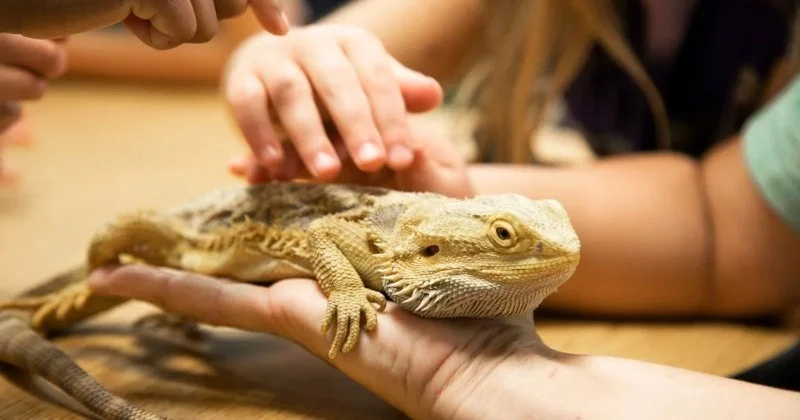
Introduction to Parasite Prevention for Reptiles
As a reptile owner in the UK, ensuring your pet's health is a priority. One of the most crucial aspects of reptile care is preventing parasites, which can lead to severe health issues. This guide will provide UK pet owners with essential tips on preventing, identifying, and managing parasites in reptiles, ensuring they remain healthy and happy.
- Understanding Reptile Parasites
- Common Types of Parasites in Reptiles
- Effective Parasite Prevention Strategies
- How to Identify Parasite Infections in Reptiles
- Choosing the Right Products for Parasite Control
- When to Seek Professional Help
Understanding Reptile Parasites
Parasites are organisms that live on or inside your reptile, feeding off their host. While some parasites are harmless, others can cause significant harm, leading to illness or even death if not properly managed. It's essential for UK pet owners to understand the risks of parasites and how they affect reptiles.
Reptiles are especially susceptible to parasites due to their unique digestive systems, environmental needs, and sometimes less frequent veterinary care. Many parasites can be transmitted through contaminated food, water, or even contact with other infected reptiles.

Common Types of Parasites in Reptiles
1. Internal Parasites
Internal parasites include worms, protozoa, and other microscopic organisms that live inside your reptile's body. These parasites typically affect the digestive system, leading to symptoms such as weight loss, vomiting, and lethargy. Some common internal parasites include:
- Roundworms
- Hookworms
- Coccidia
2. External Parasites
External parasites are those that live on the skin or in the environment around your reptile. These include mites, ticks, and fleas, which can cause irritation, skin infections, or even blood loss. External parasites are often visible to the naked eye, making them easier to detect. Common external parasites include:
- Reptile mites
- Ticks
- Fleas
Effective Parasite Prevention Strategies
1. Regular Cleaning of Enclosure
One of the most effective ways to prevent parasites is by keeping your reptile's enclosure clean. This includes regular cleaning of their habitat, changing bedding materials, and removing uneaten food. A clean environment reduces the chances of parasitic infections from contaminated surfaces.

2. Quarantine New Reptiles
Before introducing a new reptile to your collection, it’s essential to quarantine them for at least 30 days. This helps prevent the spread of parasites, as some reptiles may show no symptoms while being carriers. During this period, observe the new reptile for any signs of illness.
3. Proper Diet and Hydration
Feeding your reptile a balanced diet and ensuring they have access to fresh, clean water helps boost their immune system, making them less susceptible to parasitic infections. Avoid feeding them wild-caught prey, as this can increase the risk of introducing parasites.
4. Regular Veterinary Checkups
Regular visits to a reptile-savvy vet are crucial for detecting early signs of parasitic infections. A vet can perform fecal tests, skin scrapes, and other diagnostic procedures to ensure your pet is parasite-free. Preventative care is always better than treatment.
How to Identify Parasite Infections in Reptiles
Recognizing the signs of parasite infections early can help you take prompt action. Common symptoms include:
- Weight loss or poor appetite
- Visible skin lesions or irritation
- Lethargy or abnormal behavior
- Diarrhea or constipation
- Excessive shedding or difficulty shedding
If you notice any of these signs, it’s important to seek veterinary advice as soon as possible to prevent further complications.
Choosing the Right Products for Parasite Control
There are a variety of products available for parasite prevention and treatment in reptiles. These include topical treatments, oral medications, and insecticides. When choosing a product, make sure it is specifically designed for reptiles, as some products made for other pets can be harmful to reptiles.
Look for reputable brands and consult your veterinarian to recommend the best products for your reptile’s specific needs. For UK pet owners, make sure to check if the product is approved by the relevant authorities.
When to Seek Professional Help
If you suspect your reptile has a parasitic infection, it’s always best to seek professional help. A qualified reptile veterinarian can accurately diagnose the condition and recommend the appropriate treatment. Don’t wait for symptoms to worsen—early intervention is key to your pet’s health.
For those seeking high-quality reptile care products and services, visit RegPets for expert recommendations and products that best suit your needs.





 Cross Green Veterinary Centre4.0 (375 reviews)
 Northern Ireland Veterinary Specialists4.0 (112 reviews)
 Vets4Pets - Beverley4.0 (280 reviews)
 Cockburn Vets4.0 (573 reviews)
 Pets at Home Guiseley4.0 (236 reviews)
 Equine Reproductive Services (UK) Ltd4.0 (11 reviews)
 Recognising Symptoms of Allergies in Dogs and Cats Across the UK
 How to Handle Emergency Situations with Your Pet | RegPets
 The Importance of Vaccination Guide for Cats in the UK
 Expert Vet Advice on Preventive Care for Senior Pets
 Best Practices for Mental Health in Rabbits: Ensuring Your Pet's Well-being
 How to Manage Your Pet’s Weight and Prevent Obesity: Expert Tips for Pet Owners