
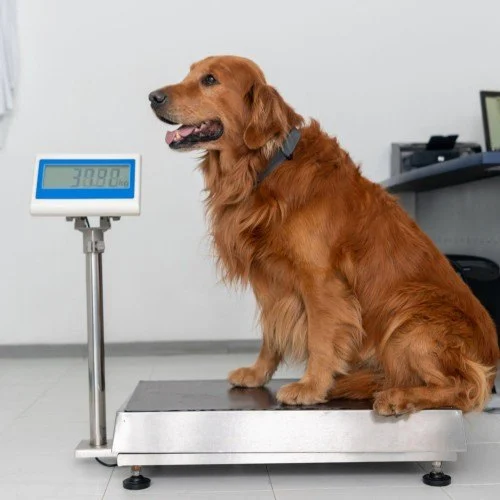
1. Why Weight Management Matters for Puppies
Managing your puppy's weight is essential for their overall health and development. Proper weight management helps ensure that your puppy grows at a healthy rate, avoiding complications such as joint issues, diabetes, and heart disease later in life. A well-balanced weight is crucial not only for their physical health but also for their mental well-being. Overweight puppies are more likely to suffer from inactivity and lack of energy, which can affect their socialization and training.
2. How to Recognize a Healthy Weight in Puppies
A healthy puppy should have a well-defined waist and ribs that are easily felt under the skin. Here are some key indicators to assess your puppy's weight:

2.1 Check the Ribs
Gently run your hands over your puppy's ribs. You should be able to feel them without pressing too hard, but they should not be visibly protruding. If you can’t feel the ribs easily, your puppy may be overweight.
2.2 Look at the Waist
From above, your puppy should have a visible waistline that tapers slightly behind the ribs. If the waist is difficult to see or appears swollen, it could indicate excess weight.
2.3 Monitor Activity Levels
A healthy puppy should be energetic and playful. If you notice a lack of enthusiasm during play or walks, it might be a sign that their weight is affecting their mobility.
3. Puppy Nutrition: What to Feed for Healthy Growth
Proper nutrition is the cornerstone of weight management for puppies. Here’s what to focus on when choosing the right food:
3.1 Choose High-Quality Puppy Food
Puppies need a nutrient-dense diet to fuel their rapid growth. Look for high-quality puppy food that is specifically formulated for their stage of development. The food should include the right balance of protein, fat, and carbohydrates to support their growth without causing excess weight gain.
3.2 Follow Feeding Guidelines
Follow the recommended feeding guidelines on the puppy food packaging. Be mindful not to overfeed your puppy, as this can lead to obesity. The amount of food required will depend on your puppy’s breed, age, and size. You can consult your veterinarian to ensure you’re feeding the right amount.
3.3 Avoid Table Scraps and Treat Overload
While it can be tempting to spoil your puppy with extra treats, be cautious. Treats should make up no more than 10% of your puppy's daily caloric intake. Overfeeding on treats can lead to unhealthy weight gain.
4. The Role of Exercise and Activity in Weight Management
Exercise plays a vital role in maintaining a healthy weight. Regular physical activity not only helps your puppy burn off calories but also keeps them mentally stimulated and physically fit.
4.1 Daily Walks
Ensure your puppy gets at least one or two daily walks. Start with short walks and gradually increase the length as your puppy grows stronger. Walking is a great way to burn off energy and keep their weight in check.
4.2 Playtime and Mental Stimulation
Incorporate interactive play into your puppy’s routine. Games like fetch, tug-of-war, and hide-and-seek will engage both their body and mind. Mental stimulation is just as important as physical exercise for weight management.
5. Common Weight Issues in Puppies and How to Fix Them
Puppy weight problems can arise from a variety of factors. Here are some common issues and solutions:
5.1 Overfeeding
Overfeeding is one of the most common causes of weight gain. If your puppy is overeating, try switching to a feeding schedule instead of leaving food out all the time. Measure the food portions to avoid giving too much. You may also want to consider switching to a lower-calorie puppy food if your puppy is gaining too much weight.
5.2 Lack of Exercise
If your puppy isn’t getting enough exercise, try increasing their daily activity level. Incorporating new activities, such as socializing with other puppies or visiting new environments, will encourage more movement and help prevent excess weight gain.
6. Real-Life Example: Effective Weight Management for a Puppy
Meet Bella, a Golden Retriever puppy who struggled with obesity early on. Her owner, Sarah, noticed that Bella was not as active as other puppies, and her weight gain was becoming concerning. Sarah consulted her veterinarian, who recommended a tailored diet plan and increased exercise. After implementing the changes, Bella’s weight stabilised, and she became much more energetic, thriving in her new healthy routine. Sarah now encourages other puppy owners to monitor their pets' weight early on and make adjustments as needed.
If you need more advice on puppy care, check out RegPets for a wide range of products designed to keep your puppy happy and healthy, from food to exercise equipment and more.




 Barks Allowed4.0 (26 reviews)
 Smiths Nurseries4.0 (114 reviews)
 firstvets - Billy Mill4.0 (90 reviews)
 ACE Vets Donaghadee5.0 (15 reviews)
 eDog Products4.0 (23 reviews)
 Vets4Pets South Shields Quays4.0 (256 reviews)
 Expert Vet Advice on Preventive Care for Cats
 The Importance of Exercise and Fitness for Senior Pets – UK Edition
 Best Practices for Dental Care in Fish
 Expert Vet Advice on Preventive Care for Senior Pets
 Common Vaccination Myths Debunked by UK Vets – Essential Facts for Pet Owners
 UK Pet Owner’s Guide to Mental Health for Reptiles